Africa-Press – Gambia. As The Gambia marks 61 years of independence, reflection naturally turns to the forces that shaped the nation’s identity. Among them, music stands out, not merely as entertainment but as a living archive of struggle, unity, moral messaging, and evolving cultural expression. In an extended conversation with Hassoum Ceesay, Historian and Director General of the National Centre for Arts and Culture (NCAC), Gambian music emerges as a powerful mirror reflecting the country’s journey from colonial resistance to contemporary creativity.
Music before Independence – the soundtrack of mobilisation, is long before independence, music functioned as a political megaphone in a country without modern mass communication. Before 1951, formal political parties were absent, and when they eventually emerged, leaders relied heavily on traditional rhythms to mobilise supporters. There was no television or widespread broadcasting; music filled that gap.
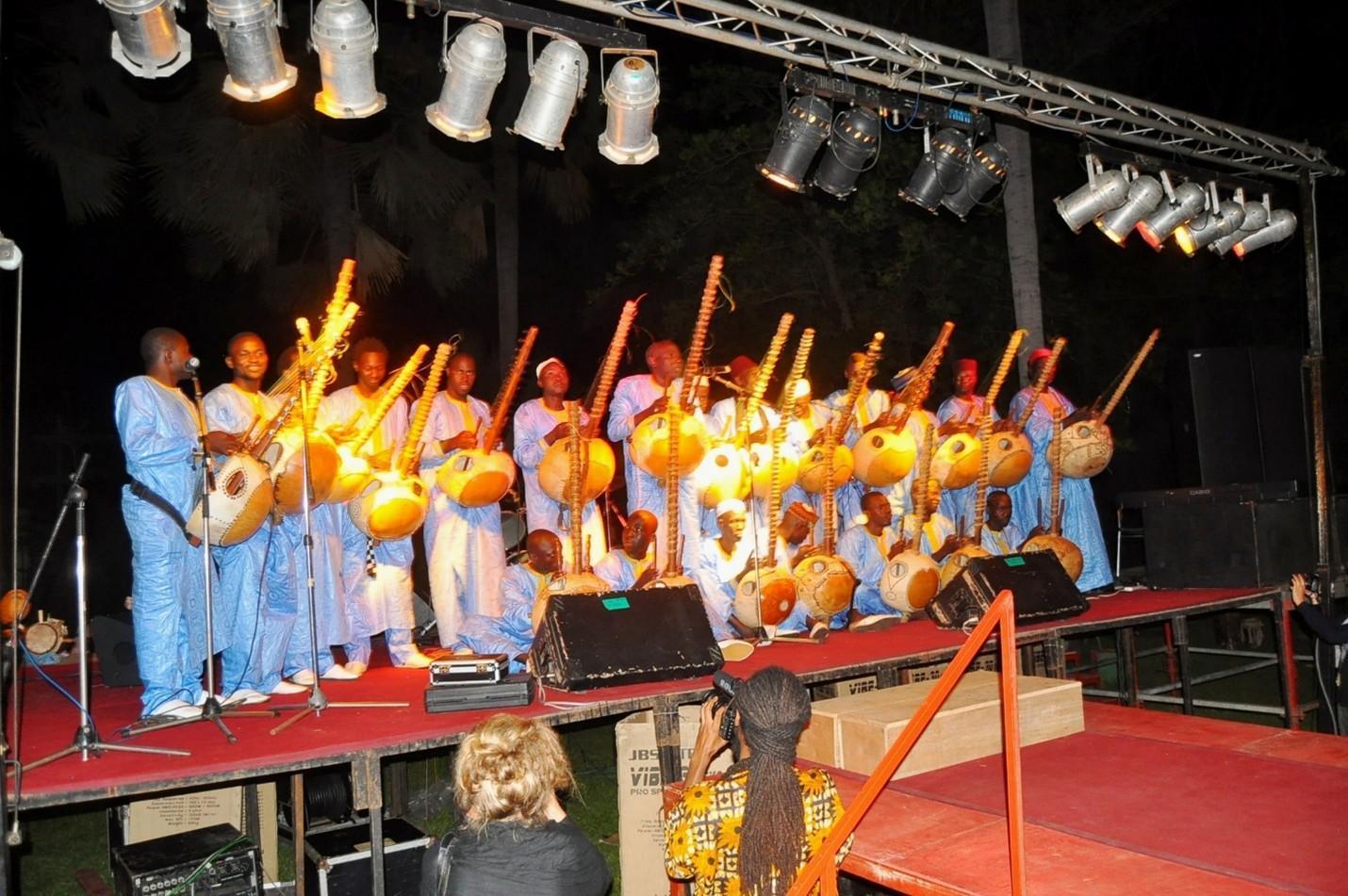
According to Hassoum Ceesay, folklore and indigenous instruments became coded rallying calls. Supporters of parties recognised their gatherings through distinctive rhythms and songs delivered by griots and praise singers. Music did not merely entertain; it carried political messages, fostered solidarity, and mobilised communities toward a shared vision of freedom.
This fusion of art and activism embedded music deeply within the national consciousness. It helped unify diverse communities and laid a cultural foundation for independence that was emotional, participatory, and unmistakably Gambian.
The early independence era marked a cultural renaissance. With the establishment of Radio Gambia in 1962, Gambian music gained a powerful platform. Local bands recorded, broadcast, and performed music that celebrated unity, nationhood, and Pan-African ideals.
Musicians became unofficial ambassadors, carrying Gambian identity abroad. Bands like Super Eagles popularised uplifting themes, unity, tolerance, and cooperation that resonated with families across generations. Songs promoted social cohesion and development, addressing issues from public health to regional solidarity.
Historian Ceesay emphasised that early post-independence music was consciously moral and developmental. Families could listen together without discomfort; lyrics reinforced values that aligned with the nation-building project. Music was aspirational, a soundtrack for collective optimism.
On Cultural shifts and foreign influence, in his explanation, by the 1980s, expanding access to radio and television introduced Gambian audiences to global musical styles. American hip-hop, foreign pop influences, and evolving youth culture began reshaping the soundscape.
He noted that while cross-cultural exchange enriched creativity, it also diluted some of the moral and communal themes that defined earlier music. Certain lyrics and stylistic trends no longer reflected the family-centred values of the pioneering era. Yet this transformation also signaled a dynamic cultural dialogue, Gambian artists negotiating identity in a globalised world.
The tension between preservation and innovation continues today. Music remains a site where cultural authenticity, global trends, and youth expression intersect.
Despite changing influences, Ceesay sees immense opportunity for contemporary musicians. The archives of the National Centre for Arts and Culture contain folktales, proverbs, myths, and historical narratives — rich creative material capable of inspiring modern compositions grounded in Gambian heritage.
As celebration of the independence continued, he encourages artists to address current social issues, celebrate the country’s landscapes, and draw from historical memory. “Past musicians often tackled pressing community concerns; today’s artists can continue that tradition while embracing new forms.”
The success of artists like Jaliba Kuyateh illustrates how traditional inspiration can coexist with modern appeal. A journey along the River Gambia, DG Ceesay suggested, can still spark powerful storytelling through song.
Always, government support and expanding opportunities still important. Institutional support has grown significantly. Capacity-building workshops, partnerships, and professional development initiatives aim to strengthen the music sector. The reinforcement of musicians’ unions promotes standards, collaboration, and advocacy.
Opportunities have multiplied in the digital age. Gambian artists now reach massive audiences, leverage online platforms, and perform internationally. Global mobility and digital visibility have expanded careers in ways unimaginable in the early independence years.
For Historian Ceesay, this moment represents both promise and responsibility. Artists inherit a legacy in which music contributed to liberation and national cohesion. Preserving that spirit while innovating for new audiences remains a defining challenge.
Ultimately, Gambian music tells the story of a nation, its resistance, aspirations, and evolving cultural dialogue. From political mobilisation to global performance stages, it continues to shape and reflect identity.
As The Gambia celebrates independence, the rhythms of its past still echo in contemporary creativity. Music remains not just a cultural artifact, but a living expression of who Gambians are, and who they continue to become.