

Africa-Press – Ghana. The Friends of the Nation (FoN), a non-governmental organisation (NGO), has called on policymakers to formulate a decisive action plan to respond to methane emissions as part of the global awareness to mitigate climate change in Ghana.
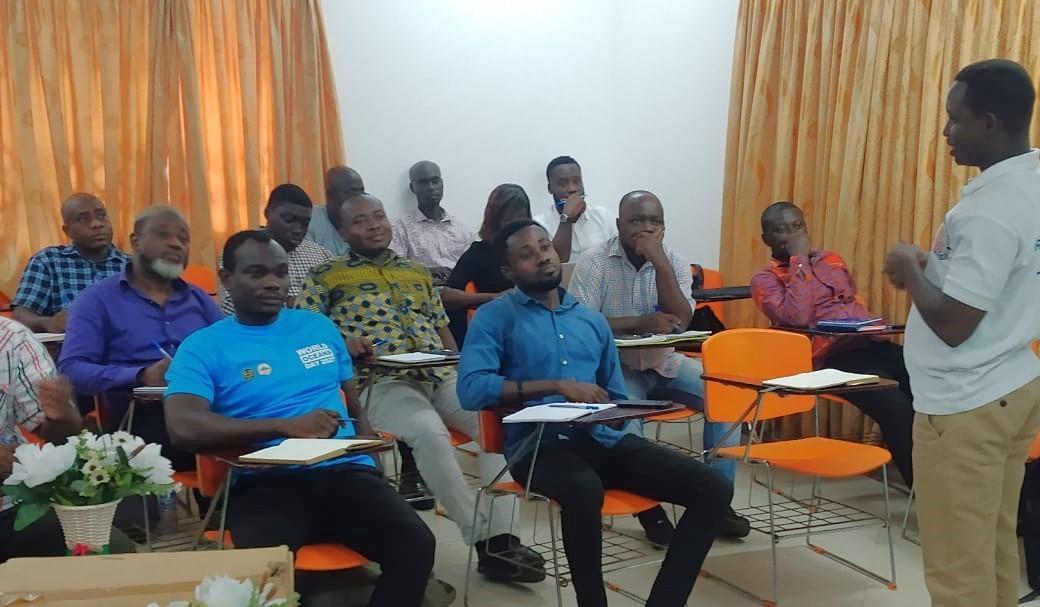
It made that call at a two-day stakeholders’ engagement, held at Esiama in the Ellembelle District, which was under the NGO’s Methane Advocacy Project.
Participants were drawn from the Environmental Protection Authority (EPA), the Ghana National Gas Company (GNGC) Limited, Metropolitan, Municipal and District Assemblies (MMDAs), Civil Society Organizations (CSOs), and the media.
The engagement sought to equip staff of the EPA to gain knowledge and insight and make inputs into the implementation of Ghana’s methane guidelines to help protect the environment.
Methane is a type of greenhouse emission that causes climate change leading to global warming.
Mr Williams Augustine-Denkyi, a Project Officer with FoN, said the workshop was a positive step to deepen the awareness creation in mitigating methane emissions in Ghana.
Mr Douglas Ahinkorah Asuako-Ferkah , Ellembelle District Area Head of the EPA, said the training was crucial as it formed part of Ghana’s commitment to the Nationally Determined Contributions (NDCs) under the Paris Agreement as Vice-Chair to the Global Methane Committee on climate pledges.
Speaking on the overview of methane management in Ghana, he said the agricultural sector ranked the highest in terms of methane emissions with 41 per cent of the menace, emanating from livestock production.
He also indicated that the oil and gas sector contributed 35 per cent, contrary to views that a chunk of methane emissions originated from the upstream, mid-stream and downstream petroleum exploration.
As part of mitigation strategies and Ghana’s response to methane emissions, there has been national efforts in sustainable rice cultivation, compost production, implementation of bio-gas systems, flaring control as well as commercialisation of dustbins to produce energy under the Renewable Energy Plan.
Mr Asuako-Ferkah said by 2070, Ghana would go carbon-neutral as part of better policy responses to address methane emissions.
The Ellembelle EPA Area Head noted with concern that Africa was faced with the climate-justice paradox with greenhouse emissions in Africa contributing less than four to 10 per cent to the global emissions.
He attributed the situation to lack of funding and reiterated the need to reignite the National Action Plan on methane emissions and its management.
Mr Asuako-Ferkah charged MMDAs to include methane action plan in their medium-term development plan and set real targets to mitigate emissions.
Touching on the roadmap on methane development, he stated that the EPA had developed guidelines for companies and organisations who contributed to methane emissions to follow as a landmark for Ghana to deal with methane.
Participants at the programme said Ghana’s dialogue on methane management was impressive but called for more action plan to deal with the situation.
They also called on government to equip regulatory bodies with funding and equipment to fight methane emissions in the country.
For More News And Analysis About Ghana Follow Africa-Press