

Africa-Press – Ghana. Despite government efforts to sustain the Ghana School Feeding Programme (GSFP), several challenges continue to impede its holistic implementation.
While the Programme has recorded gains, its long-term success depends on one critical factor: sustainable financing. Rising food costs, expanding coverage, and competing national priorities have increased pressure on the Programme and widened the funding gap. In 2024, the gap was estimated at GHS 3.6 million.
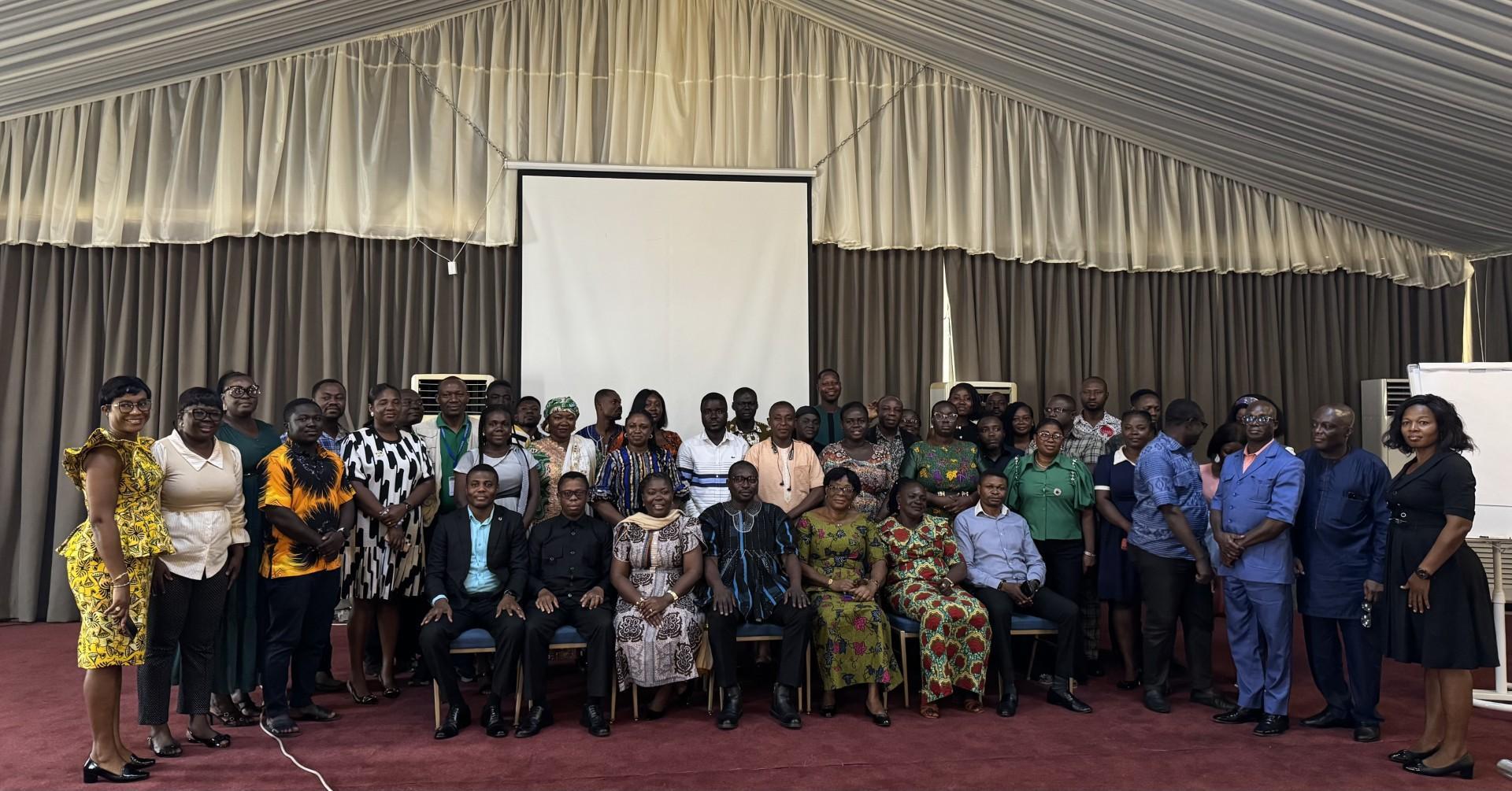
To address this, the Ministry of Gender, Children and Social Protection (MoGCSP) has embarked on zonal validation workshops to review and validate the proposed costing analysis and financing strategy for the GSFP, ensuring it is technically sound and practically implementable. Outcomes from these workshops will inform the final refinements, producing a credible, evidence-based document ready for implementation.
At a workshop in Kumasi, Professor Haruna Issahaku, a consultant on the proposed strategies, said the goal was to develop workable suggestions extending from now through 2033 and beyond. He noted that inputs were drawn from the Finance Ministry, Bank of Ghana, and World Food Programme in mid-2024.
Recommended financing mechanisms included additional flows from GETFund uncapping, Communications Tax, Sugar and Sweetened Beverages Taxes, and philanthropic donations. Prof. Issahaku explained that, of the GHS 8 billion accrued from the 2025 budget, 5 percent of GETFund revenue could be devoted to the Programme. Increasing the Sugar and Sweetened Beverages Tax from 20 to 25 percent could generate about GHS 66 million annually. Philanthropic contributions could be mobilised via dedicated donation accounts and short codes targeting Ghanaians at home and abroad.
He said all proposed strategies were assessed for resource mobilisation potential, sustainability, political feasibility, and technical and administrative viability. Other recommendations included mainstreaming efficiency and sustainability, with ongoing discussions involving stakeholders such as traditional authorities and the National Service Authority.
To mitigate financial and operational risks, Prof. Issahaku advocated timely performance audits, monitoring, strict reporting mechanisms, and the establishment of a contingency fund to absorb potential shocks.
On food safety and quality, he emphasised the need for training caterers and stakeholders in sustainable food sourcing and proper handling to reduce risks associated with consuming meals provided under the Programme.
For More News And Analysis About Ghana Follow Africa-Press