

Africa-Press – Ghana. The Ghana Cocoa Board (COCOBOD) Thursday said it was expecting liquidity into its system in the coming days following Cabinet intervention to address payment arrears owed to cocoa farmers.
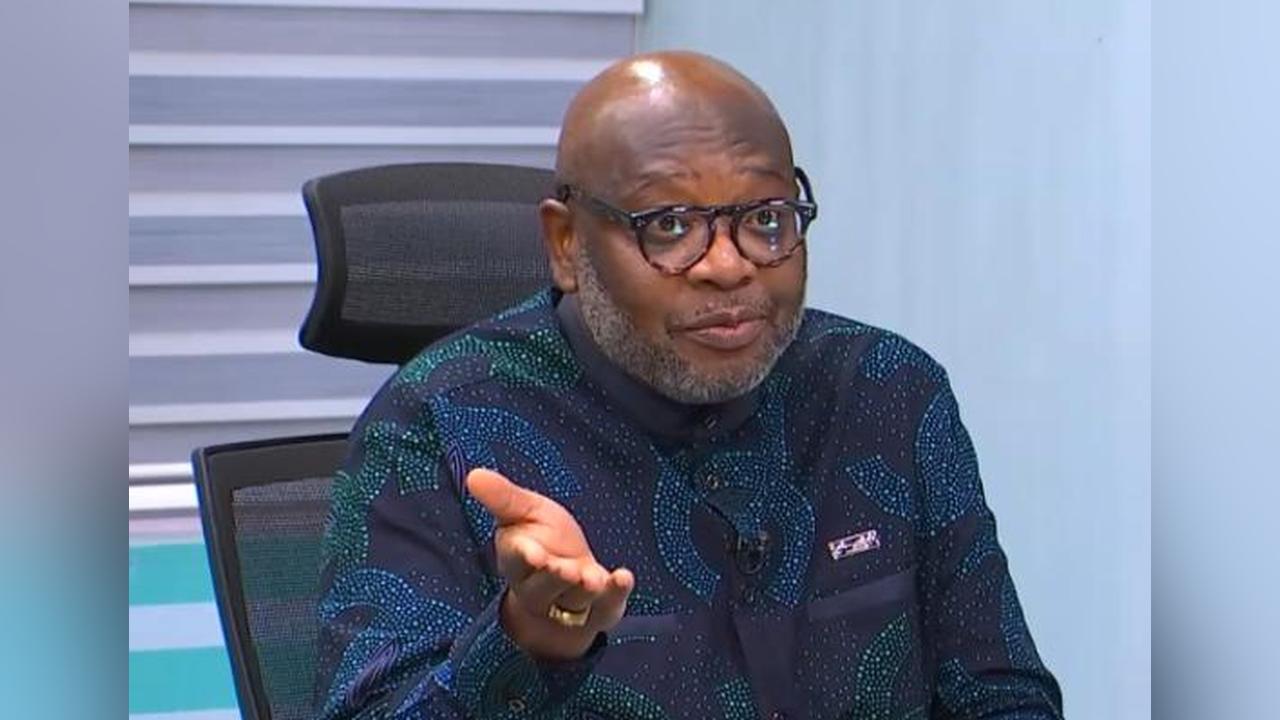
Dr Randy Abbey, Chief Executive Officer of COCOBOD, said Cabinet had taken decisive steps to ensure that farmers who had supplied cocoa beans but were yet to be paid would receive their monies.
“Once this came, we had two options. How do you deal with those who have supplied the bean and have not been paid? You need to find a way of finding liquidity to pay them,” when the leadership of the Ghana Journalists Association (GJA) and some senior editors paid a courtesy call on him in Accra.
“So that’s one of the things that cabinet had to deal with, and cabinet has dealt with it decisively. And I’m expecting that in the next few days, we’ll be able to have liquidity in the system to deal with that,” he added.
The liquidity challenge followed a shift from the long-standing syndicated loan arrangement to a buyer-funded model, under which international buyers were required to advance funds to Licensed Buying Companies to purchase cocoa on behalf of COCOBOD.
Dr Abbey said under the current arrangement, the Board depended on buyers to provide funds for cocoa purchases.
“But the liquidity to do the purchases comes from the buyer. So, when the buyer finds your crop too expensive and they move out, you do not have liquidity to continue purchasing,” he said.
He noted that prior to the recent downturn in international prices, COCOBOD had already sold a significant portion of the crop.
“Before this current crisis, we had sold 82% of the crop… We had taken over 580,000 tonnes and left with 70,000,” he said, adding that farmers had been guaranteed GH¢5,040 per tonne.
Dr Abbey said as international prices declined, Ghana’s cocoa became less competitive on the global market.
To address the situation, he said Cabinet had considered measures to encourage local processing to absorb more of the crop.
“Instead of 70 per cent, government has decided that it will give farmers 90 per cent of the new price,” he stated, explaining that the adjustment was to mitigate the impact of falling world prices.
Dr Abbey expressed optimism that the measures announced by the finance minister and endorsed by Cabinet would stabilise the sector and position it for reforms under a new funding and pricing framework.
“It’s our hope that on the basis of the decisions that have been taken by cabinet and announced by the finance minister, we’ll get through this and prepare very well for 2026/2027… and ensure that farmers are dealt with fairly, and that the industry is also on a sustainable path,” he said.
Mr Albert Dwumfour, President of the GJA, said the visit was to solidarise with COCOBOD management and to better understand the challenges confronting the sector.
He said the Association sought to deepen institutional collaboration, receive a briefing on the crisis and offer professional support.
Mr Dwumfour described the situation as inherited and urged balanced reportage.
“We need to manage the communication and our reporters so that it does not upset the market,” he said.