
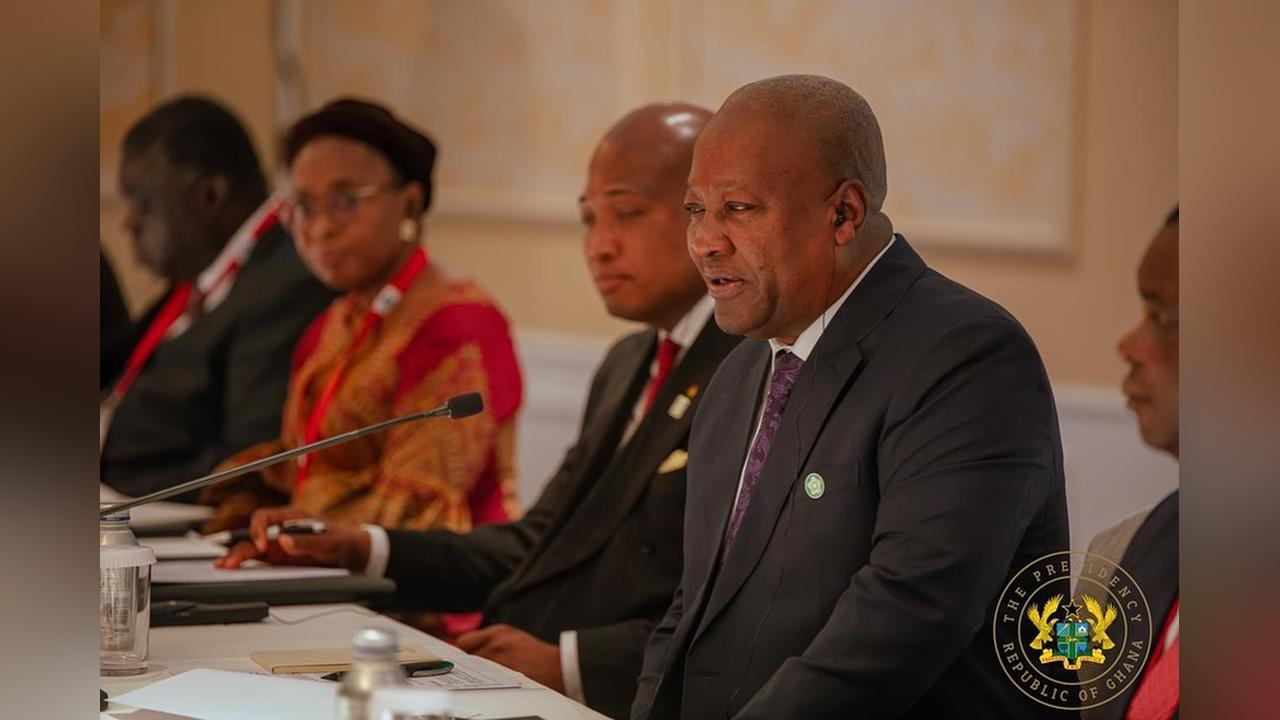
Africa-Press – Ghana. Residents of Kadjebi in the Oti Region have shared varied views on the 2026 State of the Nation Address (SoNA) to be delivered by President John Dramani Mahama on February 27.
While some residents commended government for stabilising the Ghana Cedi against major foreign currencies, they expressed concern about what they described as lack of liquidity in the local economy, saying the availability of goods on the market had not translated into improved purchasing power.
They said though prices of some commodities had seen relative stability in recent weeks, the absence of cash flow in the system continued to affect businesses and household incomes.
Mr Kordzi Adzola, a resident of Akporsor Kordzi, applauded the government for the Cedi’s performance and urged authorities to sustain the gains made.
“We are happy the Cedi is gaining strength, but what we need now is money in the system. Traders have goods, but customers do not have money to buy,” he said.
Madam Stella Nyame, a market woman, told the Ghana News Agency that the situation was affecting sales at the Kadjebi market.
“Foodstuffs are available and some prices are stable, but buyers are few because there is no money circulating. We expect the President to address this in the SoNA,” she stated.
She appealed to the government to introduce measures that would improve liquidity, support small-scale traders, and boost local economic activities.
Mr Gabriel Kumah, a resident of Cocoa Market, expressed scepticism about what new measures would be announced in the Address.
He told the GNA that the government had failed to honour earlier promises, citing concerns about cocoa pricing.
“They promised to increase the price of cocoa to GHS6,000.00 per 64kg bag but later reduced it to GHS2,587.00. So, we are wondering what new message will come during the SoNA,” he said.
Mr Kumah said the economic challenges had made it difficult for him to purchase school prospectus items for his child, who gained admission into Senior High School (SHS) last year.
He urged the President to outline practical interventions that would directly impact farmers, traders, and low-income earners in rural communities such as Kadjebi.
Some youth in the area who spoke to the GNA on condition of anonymity also called for job creation initiatives, skills training programmes and support for agribusiness to curb unemployment in the district.
They expressed the hope that the 2026 SoNA would go beyond macroeconomic indicators and focus on policies that would improve livelihoods at the grassroots level.
Residents appealed for improvements in road infrastructure, healthcare delivery, and educational facilities in the Kadjebi enclave.