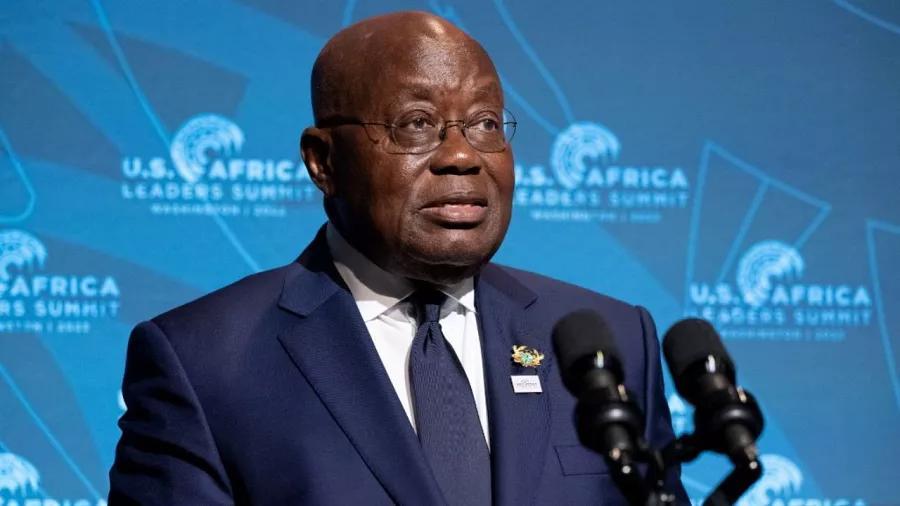
Africa-Press – Ghana. Ghana, often celebrated for its vibrant democracy and press freedom, has recently been marred by growing concerns over President Nana Akufo-Addo’s reluctance to engage with the press. Since his re-election in 2020, Akufo-Addo’s absence from media interactions has raised questions about the state of journalism and free expression in the country. President Akufo-Addo’s refusal to meet the press since 2019 and his constant media and journalistic suppressions encompass:
The Missing Press Conferences. In fact, one of the most glaring issues with President Akufo-Addo’s tenure is the paucity of press conferences and interactions with journalists. Prior to his re-election in 2020, Akufo-Addo held unimpressive encounters with the media to discuss national issues and government policies. Even then, he failed to properly respond to questions asked by Ghanaian journalists. However, this practice seemed to come to a halt post-2019, raising concerns about transparency and accountability.
The last official press conference held by President Akufo-Addo took place on December 13, 2019. That was when the late KABA asked if he was indeed the Akufo-Addo we heard about while in opposition. Since then, there has been a conspicuous absence of such events, leaving many unanswered questions about his government’s actions and intentions. This lack of engagement has led to criticism from media professionals, opposition figures, and civil society.
In addition to President Akufo-Addo’s reticence to engage with the press, there have been instances of many media suppressions during his administration:
1. Shutdown of Radio Stations: The government has faced criticism for shutting down a number of radio stations since 2017. The reasons cited have ranged from regulatory issues to tax evasion. Critics argue that some of these closures were politically motivated and aimed at silencing opposition voices. Stations like Montie FM and Radio Gold suffered closure. This is a fact.
2. Dismissal of Journalists: Some journalists have been dismissed from their jobs under circumstances perceived as politically driven. This has raised concerns about press freedom, as the fear of losing one’s livelihood can lead to self-censorship within the media industry. I wouldn’t want to cite any example here for the sake of respect for the said journalists.
3. Security Force Actions: Journalists have reported instances of harassment and violence at the hands of security forces while covering political events and protests. Such incidents have a chilling effect on the media, leading to self-censorship and reduced reporting on contentious issues. Notable cases include Edward Adati and Latif Iddrisu.
4. Criminal Charges Against Journalists: Several journalists have faced criminal charges for their work. This not only hampers their ability to carry out their professional duties but also has a broader impact on the media landscape, as others may be discouraged from pursuing investigative journalism. May the soul of the late Ada Radio host Noah Narh Darmeh rest well. And yes, I stand with my brother Manasseh Azure Awini at this moment.
5. Use of Draconian Laws: Ghana has been criticized for the use of laws that can be interpreted broadly to stifle media freedom. For example, the Electronic Communications (Amendment) Act 2020 has raised concerns about government control over digital communication platforms.
6. Invasion of Media Houses: Media houses have been invaded by individuals associated with Akufo-Addo’s administration on countless occasions. A typical example is the recent attack by the Greater Accra NPP Youth on UTV.
Implications of Akufo-Addo’s wanton disregard for Media Freedom paint a negative picture of our envious Democracy. A free and vibrant press is a cornerstone of any functioning democracy. Journalists play a crucial role in holding governments accountable, ensuring transparency, and providing a voice for citizens. When media freedom is curtailed, it threatens the democratic ideals that Ghana has long upheld.
President Akufo-Addo’s refusal to engage with the press and the allegations of media suppressions during his administration cast a shadow over Ghana’s democratic credentials. It is essential to address these concerns to safeguard the principles of democracy and free expression that have long been cherished by Ghanaians.
Conclusion
Ghana’s history is marked by a commitment to democracy and press freedom. President Akufo-Addo’s decision to distance himself from the press since 2019 and the allegations of media suppressions under his administration have raised legitimate concerns. It is imperative to ensure that Ghana remains a shining example of democracy, where the press can operate freely, citizens can express their views, and accountability is upheld. The international community, civil society, and Ghanaians themselves have a role to play in safeguarding these principles for the future.
For More News And Analysis About Ghana Follow Africa-Press