
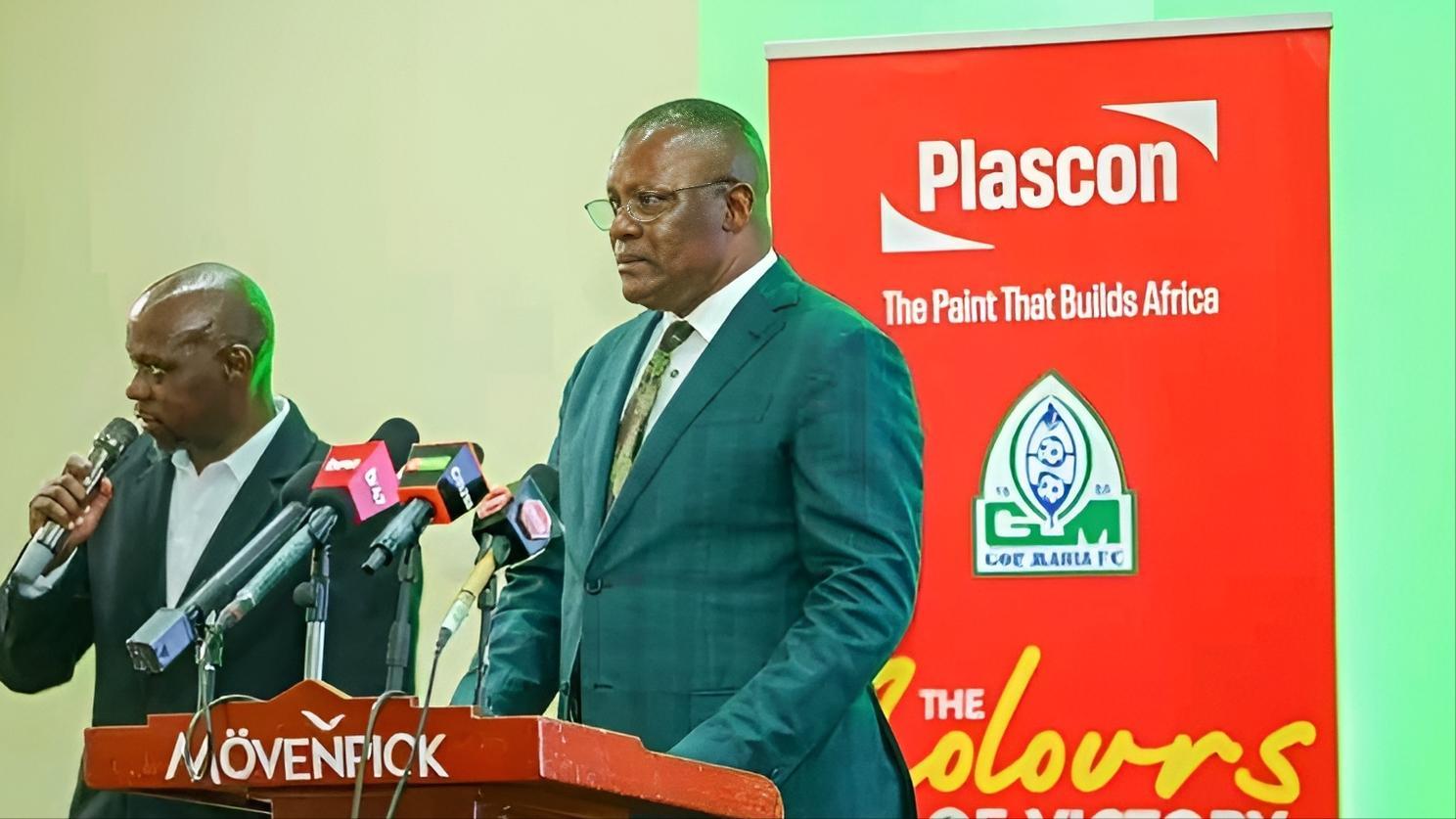
Africa-Press – Kenya. Gor Mahia’s latest commercial coup deserves more than a polite round of applause. The record Kenyan Premier League champions have secured a Sh5 million partnership with Kansai Plascon Kenya, a timely and symbolically important boost for a club — and a league — that too often survives hand to mouth.
In a football ecosystem starved of sustainable financing, this deal is not merely good news for Gor Mahia; it is a statement about what Kenyan football could be, and ought to become.
For decades, Gor have been the standard-bearers of the domestic game. Their trophy cabinet is unmatched, their support among the most passionate on the continent, and their brand one of the few that resonates beyond national borders.
Yet even this giant has not been immune to the chronic financial instability that defines Kenyan football. Player salary arrears, sporadic training disruptions and boardroom wrangles have become familiar plot points in the local game. That a club of Gor’s stature must regularly fight for resources is itself an indictment of the system.
Against this bleak backdrop, the Sh5 million Kansai Plascon partnership matters. Not because it will instantly solve Gor Mahia’s problems — but because it reinforces a crucial truth that corporate Kenya is willing to invest in football if clubs present credible, professional and mutually beneficial propositions.
Sponsorship is not charity. It is a commercial transaction built on visibility, trust and brand alignment. In that regard, Gor have played the game astutely.
This deal should also serve as a rebuke to the defeatist narrative that Kenyan football is “unsellable”. Too often, clubs resign themselves to survivalist thinking, blaming the economy, poor attendances or weak television deals for their stagnation.
While these challenges are real, they are not excuses for inertia. Gor’s agreement with Kansai Plascon shows that even within constraints, opportunity exists for clubs prepared to think beyond the short term and invest in their own credibility.
The broader significance, however, lies in what this partnership signals to the rest of the Kenyan Premier League. Most clubs operate without shirt sponsors, relying heavily on benefactors, county governments or last-minute gate collections. This model is neither dignified nor sustainable.
Football clubs are institutions, not fundraising drives. Without structured revenue streams, growth is impossible, and competitiveness suffers. Sponsorship should be the cornerstone of club financing, not an afterthought. That requires professionalism in governance, transparency in finances and consistency in brand messaging. Corporations will not attach their names to chaos.
They will not invest in clubs whose leadership changes with the wind, whose accounts are opaque, or whose public image is defined by controversy rather than ambition.
The Football Kenya Federation and league administrators also bear responsibility. A well-run league, with predictable fixtures, credible officiating and effective marketing, is far more attractive to sponsors than a fragmented, crisis-prone competition.
Sponsors do not buy goals; they buy audiences. Improving the matchday experience, television production and digital engagement is not cosmetic — it is a commercial necessity.
There is also a lesson here about ambition. Gor Mahia’s history gives them leverage, but history alone is not enough. By actively pursuing partnerships, the club signals an understanding that success off the pitch is as vital as success on it.
Kenyan clubs must shed the comfort of victimhood and embrace the discipline of enterprise. Football is an emotional business, but it is still a business. The Kansai Plascon deal will not transform Kenyan football overnight. Yet it provides something perhaps more valuable than money: belief.
Belief that the local game can attract serious partners. Belief that clubs can stand on their own feet. Belief that football, properly managed, remains a powerful cultural and commercial asset.
If Kenyan clubs are serious about growth, they must follow this example by seeking sponsors and building brands. The future of the game depends on it.