
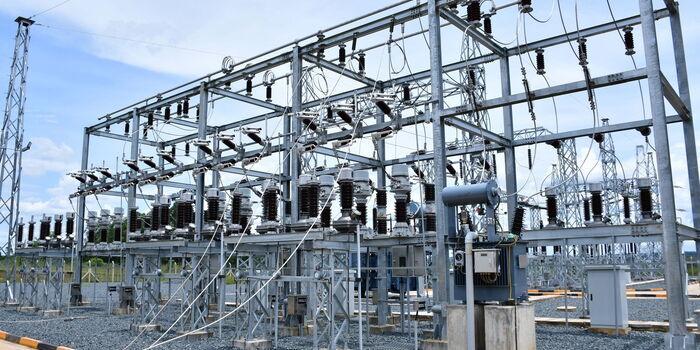
The government has energised the Sondu-Ndhiwa-Homa Bay-Awendo 132kV transmission line, marking a major development in electricity supply for Nyanza and parts of Western Kenya.
The project was implemented by the State Department of Energy, led by PS Alex Kamau Wachira, in partnership with the Kenya Electricity Transmission Company Limited, with the Interior PS Raymond Omollo overseeing cordination.
According to the government, the line’s commissioning has reduced pressure on the Muhoroni–Chemosit corridor, which had been operating under high load levels, sometimes reaching 68MW, posing risks to the grid.
Following the energisation, electricity distribution was adjusted, with Sondu delivering 27MW to Ndhiwa, while the demand on the Muhoroni–Chemosit line reduced to 40MW.
Flows between Muhoroni and Kisumu were also reduced, allowing electricity to be distributed more efficiently across the network, a development the government said will go a long way to address the persistent power challenges the Nyanza region has been grappling with.
Additionally, engineers who were working on the grid noted that the new transmission path will reduce the risk of overloads and cascading outages, while enabling the grid to accommodate increased demand in the region.
Residents and businesses in Ndhiwa, Awendo, Homa Bay, and surrounding areas are expected to benefit from a more reliable electricity supply after years of intermittent outages, following the energisation of the Sondu-Ndhiwa-Homa Bay-Awendo 132kV transmission line.
Energy planners say the improved supply could drive a rise in national peak electricity demand as previously unmet needs in Nyanza are met, while stabilising power distribution across Western Kenya.
Kenya has been recording rising electricity demand, with the national grid hitting a new peak of about 2,439 MW in December 2025, reflecting increased consumption by households, industry, and commercial users.
Despite investments in generation, the government has acknowledged that firm available capacity, the power reliably dispatchable at any moment, remains tight, sometimes requiring load management, calling for a continued need for more generation and grid reinforcement.
Western Kenya accounts for 250 MW to the national grid, a relatively small portion of the national generation footprint, and has historically experienced constrained supply due to congestion on existing lines, limiting the amount of electricity delivered to the region.
The commissioning of the Sondu-Ndhiwa-Homa Bay-Awendo line is expected to ease network congestion, improve voltage quality, and unlock suppressed demand, enabling households and industries to access steadier power and supporting economic activity across the region.