
Africa-Press – Kenya. THE Kenya Transporters Association (KTA) has issued new minimum transport cost guidance for its members, citing mounting operational challenges that continue to strain the road transport industry.
In a statement released to members, the association said it had reviewed prevailing industry conditions following increased inquiries on transport cost structures, particularly as transporters grapple with prolonged truck turnaround times and persistently high maintenance and operating costs.
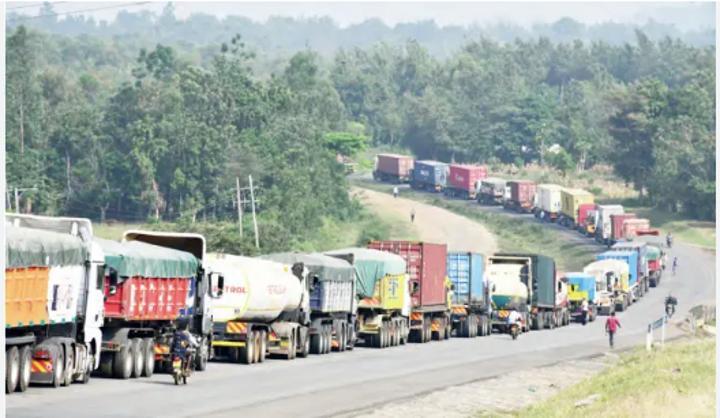
Turnaround time has been occasioned by among others, port congestion at Mombasa and slow border clearance along the Northern Corridor which serves Uganda, South Sudan, Rwanda, Burundi and DR Congo.
KTA said the new benchmarks are intended to reflect the typical costs incurred by transporters when delivering cargo and to promote the long-term sustainability of transport businesses.
Under the new guidance, transit cargo should attract a minimum transport cost of $2 (Sh257.25) one way, exclusive of road user charges.
For local cargo, the association has set a minimum cost of Sh250 per kilometre (one way). The benchmarks exclude last-mile delivery costs, which vary depending on destination and operational conditions.
Transporters have been advised to apply the per-kilometre rates when calculating transport charges for different destinations.
“The benchmarks are based on a realistic assessment of prevailing industry challenges, including increased maintenance costs, operational inefficiencies and extended turnaround times,” KTA board by chairman, Newton Wang’oo, said.
However, the association stressed that the figures are cost guidance only, not fixed pricing, and that members retain full discretion in determining their commercial margins.
KTA has raised concern that some operators continue to price trips below actual costs by excluding key components such as depreciation in their costing models. According to the association, this practice exposes businesses to long-term financial risk.
The benchmarks are also based on a credit period of between one and 30 days, with KTA warning that longer credit periods significantly increase transport costs.
“Transporters operating below these cost benchmarks and commercial terms may, over time, find their businesses financially unsustainable,” the association cautioned.
The guidance comes at a time when transporters are facing heightened pressure from rising fuel prices, costly vehicle maintenance, increased financing expenses and delays along major transport corridors.
KTA said it remains committed to advancing the welfare of its members while promoting efficiency and sustainability across the transport sector.