
Africa-Press – Kenya. The National Treasury wants private investors to bear the highest possible share of project risk and liabilities under Kenya’s upcoming privatisation and public-private partnership programme.
Senior officials from the state department for public investments and asset management told lawmakers on Tuesday that liability management is key in onboarding firms taking part in PPPs.
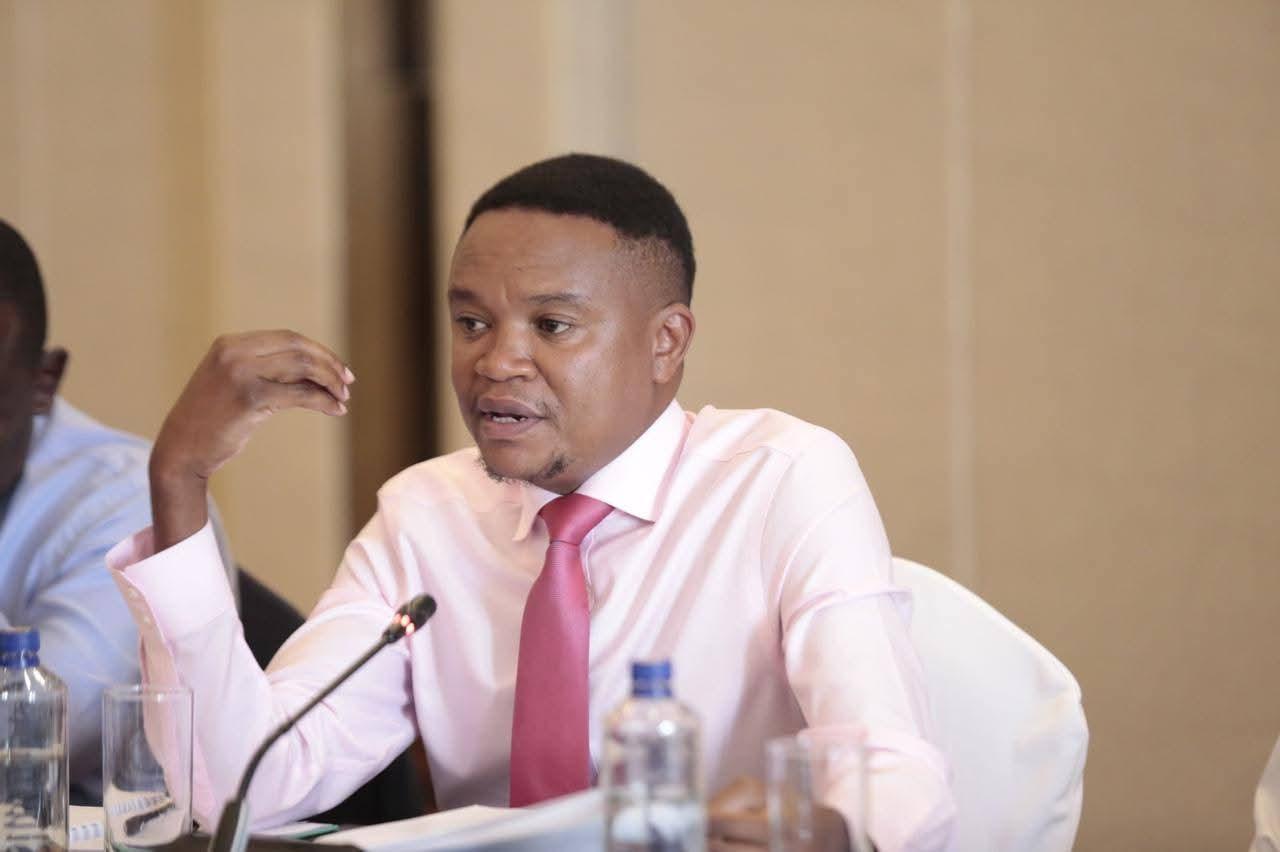
Appearing before the Finance and Planning Committee, Director at the Public Private Partnerships Directorate Christine Nganga said the government’s strategy is designed to protect the public from excessive financial exposure as it rolls out large-scale infrastructure projects.
She was responding to questions from Committee Chairperson Kimani Kuria, who sought clarity on the Treasury’s approach to risk allocation, contingent liabilities and project financing.
Ng’ang’a told MPs that no PPP project proceeds to approval unless the Treasury is satisfied that “most risks are transferred to the private party as much as possible.”
She added that while the government may still carry a portion of the risk, the aim is to ensure the state is not left excessively exposed, particularly as it prepares to privatise or concession major national assets.
“Before any project is approved, one of the key areas we assess is how much risk can be shifted to the private party. We put several measures in place to minimise government exposure,” Nganga said.
The Treasury is currently developing a more robust contingent-liability framework, including setting upfront caps on risk exposure.
Public Private Partnership Directorate and Head of Finance and Administration, Samuel Onyango, said Kenya is benchmarking this framework against models used in countries such as Peru and the Philippines.
Onyango noted that Treasury aims to mobilise at least Sh80 billion in private financing between 2026 and 2027 through its PPP pipeline.
“In regard to our contingent liabilities management, we have a process that we coordinate with the Public Debt Management Office. Once we have a project that has gone through a negotiation and has been executed in agreement, there is a quantification on the basis of the final agreement of what the contingent liabilities would be,” said Onyango.
“That number is then adopted by the Public Debt Management Office, which reviews and tracks it, and they monitor.”
Among the key undertakings headed for concession is the redevelopment of the Port of Mombasa and Lamu Port, which will be packaged with the Lamu Special Economic Zone to enhance regional trade.
In the energy and water sectors, the Hydran/Buka Falls project in Kitui is expected to generate 700MW of power and irrigate more than 500,000 acres, is moving toward procurement, alongside the Maragor, Sabaki and Njoro Kupa dam initiatives.
The Treasury is also preparing a new phase of the national transmission lines programme following last year’s successful Africa50 power-grid deal, targeting 13 new lines. Road upgrades on the Nairobi–Marsabit corridor and the Losamis–Malaba route are also planned.
Other projects to be privatised include a 2,000–4,000-unit prison housing scheme, the Tana Delta Irrigation Project, an expansion of the government data centre, and feasibility work for a national satellite launch facility.
PPP-backed teaching and referral hospitals and several geothermal projects are similarly expected to attract investor interest as they move toward the market.
Nganga noted that while dams and other water-sector projects are crucial, they are not commercially viable on their own, meaning the government will still have to inject capital to attract private partners.