What You Need to Know
Kenyans are being encouraged to diversify their investments beyond traditional land purchases, which have become less profitable due to market oversupply. Fund manager Ndovu Wealth highlights the potential of exchange-traded funds (ETFs) and global capital markets, suggesting that reallocating funds from fixed deposits could enhance returns over time. The launch of the Kibaba Multi-Asset Special-F
Africa-Press – Kenya. Kenyans have been urged to diversify investments beyond land and tap opportunities in exchange-traded funds (ETFs) and global capital markets.
This comes amid growing deposits “sitting idle” in fixed deposits and continued investment in land and property, with an oversupply in the real estate market limiting returns.
According to fund manager Ndovu Wealth, about Sh2 trillion is currently held in fixed deposits in Kenya, funds that risk losing value when adjusted for inflation.
The firm argues that reallocating part of these savings into diversified funds could enhance returns over time.
Despite rising awareness, participation in capital markets remains low across Africa, with only about three per cent of the population actively investing, compared to significantly higher levels in developed markets.
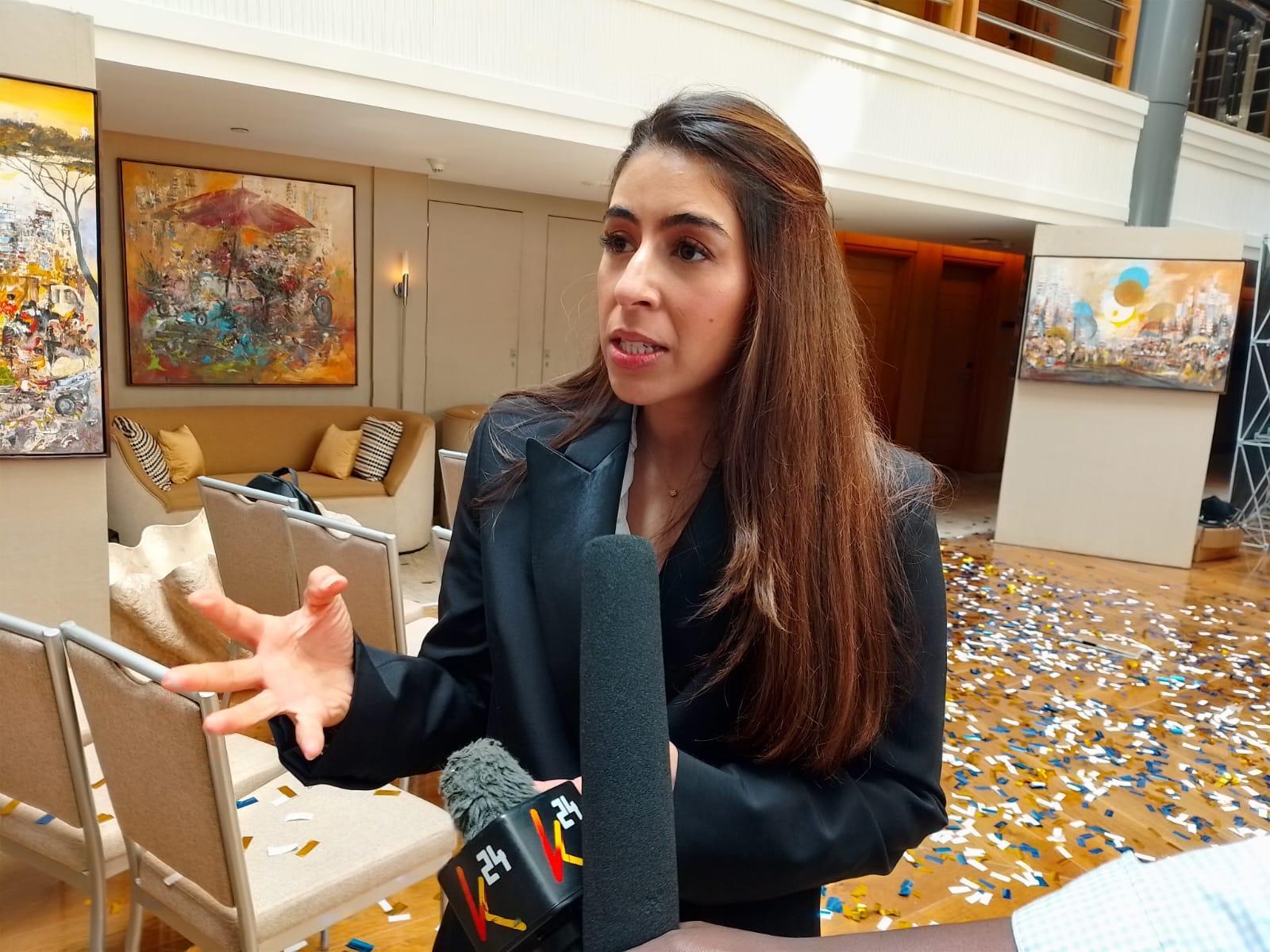
“Historically, many Kenyans have been told that wealth creation lies in buying land. But land is often illiquid and does not always deliver optimal returns,” Ndovu Wealth Limited CEO and co-founder Radhika Bhachu said yesterday.
She spoke in Nairobi yesterday during the launch of the fund’s Kibaba Multi-Asset Special Fund (‘Kibaba Fund’).
The Fund is a collective investment scheme offering structured, diversified exposure across global asset classes.
The Kibaba Fund is denominated in both US dollars and Kenyan shillings, targeting medium to long-term investors with a moderate risk appetite.
The minimum initial investment is Sh250,000 for the Kenya Shilling Fund and $2,500 for the US Dollar Fund.
“We need to move towards more diversified, income-generating and liquid investments,” she said.
Bhachu noted that while real estate still has a place in investment portfolios, shifting market dynamics, including oversupply in some segments and rising maintenance costs, have reduced its attractiveness compared to capital market instruments.
The fund manager licensed by the Capital Markets Authority targets investors seeking long-term growth through a diversified portfolio spanning equities, fixed income, commodities and ETFs, with allocations actively managed in response to market trends.
The Kibaba Fund invests across global markets, including the US, Europe and emerging economies such as India and China, while also maintaining exposure to local opportunities.
It also includes commodities such as gold and oil to hedge against inflation and global volatility.
Ndovu is also leveraging its digital platform to enhance transparency, allowing investors to track performance daily—a departure from the quarterly reporting typical in the industry.
“Kenyans are highly digital and want real-time visibility of their investments. Our platform allows them to see exactly how their money is performing at any time,” Bhachu said.
The launch comes amid growing interest in alternative investments as economic uncertainty, rising inflation and global disruptions—particularly in oil supply—continue to impact household incomes and savings.
As of December 2025, about Sh679.6 billion was being managed by 41 investment firms in Kenya, with 55 approved Collective Investment Schemes that had 234 registered funds.
Out of these, 41 were active and reporting. The Money Market Fund remains the most preferred investment vehicle, followed by fixed income funds, equity funds, balanced funds and special funds.
The industry grew by 14 per cent, rising from Sh596.3 billion (Q2 2025) to Sh 679.6 billion (Q3 2025).
Ndovu head of operations, Jonathan Ogutu, said: “We are seeing more Kenyans move beyond money market funds and explore new ways of growing wealth. The idea is to build wealth gradually through disciplined investing.”
Ndovu, which has served over 200,000 clients in its five years of operation, expects stronger uptake of such funds as investors seek flexible, diversified and professionally managed investment options.
In Kenya, land has historically been viewed as a primary investment vehicle, often associated with wealth creation. However, recent trends indicate a shift as the real estate market faces oversupply and diminishing returns. This has prompted financial experts to advocate for diversification into capital markets, which remain underutilized despite their potential for higher returns. The Kibaba Fund aims to address this gap by offering structured investment options across various asset classes, appealing to a broader range of investors.