Africa-Press – Kenya. The National Treasury has made a U-turn on its earlier plan to table a separate Tax Laws (Amendment) Bill ahead of the Finance Bill 2026, opting instead to merge the proposals into a single legislative process.
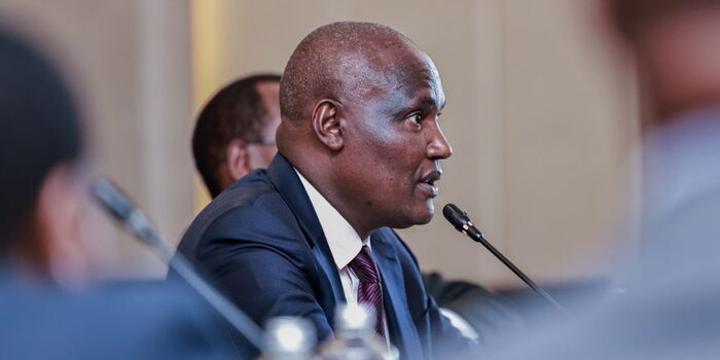
Treasury Cabinet Secretary John Mbadi, while appearing before the Budget and Appropriations Committee of the National Assembly, said the decision was informed by the short timeline remaining before the Finance Bill is presented to Parliament.
Mbadi noted that introducing a separate Bill so close to the Finance Bill would be impractical, prompting the move to consolidate all proposed tax changes. This, therefore, means that the proposals would be part of the Bill.
“We have turned over this as we have a few weeks to the Finance Bill. So we feel it is too close to bring some tax law adjustments,” Mbadi said.
The measures initially contained in the Tax Laws (Amendment) Bill were projected to raise about Ksh57 billion in revenue and will now be incorporated into the Finance Bill 2026.
Earlier proposals had indicated that the amendments would introduce a 0 per cent PAYE rate for incomes up to Ksh30,000, with the next Ksh20,000 taxed at 25 per cent.
However, the initial plan raised concerns among experts, including whether the changes would eliminate the current Ksh2,400 personal relief and whether the back-to-back bills would limit meaningful public participation.
Analysts, among them finance expert Julians Amboko, had also warned of legislative fatigue, citing recent instances where multiple tax-related laws were introduced in quick succession, potentially affecting scrutiny and public engagement.
The tax proposals align with earlier remarks by President William Ruto, who announced plans to reduce PAYE for workers earning up to Ksh50,000 from 30 per cent to 25 per cent in February this year.
Ruto also indicated that individuals earning Ksh30,000 and below would be exempt from paying income tax, a move he said would benefit about 1.5 million Kenyans.
However, nearly three weeks later, the government outlined new conditions that must be fulfilled before implementing its planned reductions in key taxes, including PAYE, Value Added Tax (VAT), and income tax, as it seeks to balance fiscal sustainability with taxpayer relief.
Treasury Principal Secretary Chris Kiptoo, while appearing before the National Assembly’s Departmental Committee on Finance and National Planning to present the 2026 Budget Policy Statement, said that the tax reduction plans will depend on the expansion of the tax base, adding that the government must first improve revenue collection coverage before cutting rates.
Despite the proposed relief, workers continue to face multiple statutory deductions, including NSSF contributions, the 2.75 per cent Social Health Authority levy, and the 1.5 per cent Housing Levy, which significantly reduce take-home pay.