
NGUGI NJOROGE
Africa-Press – Kenya. The Chinese yuan is cementing its role as a primary alternative to the U.S. dollar in global trade and finance, with corporate adoption accelerating as African nations like Kenya leverage the currency to ease fiscal pressures.
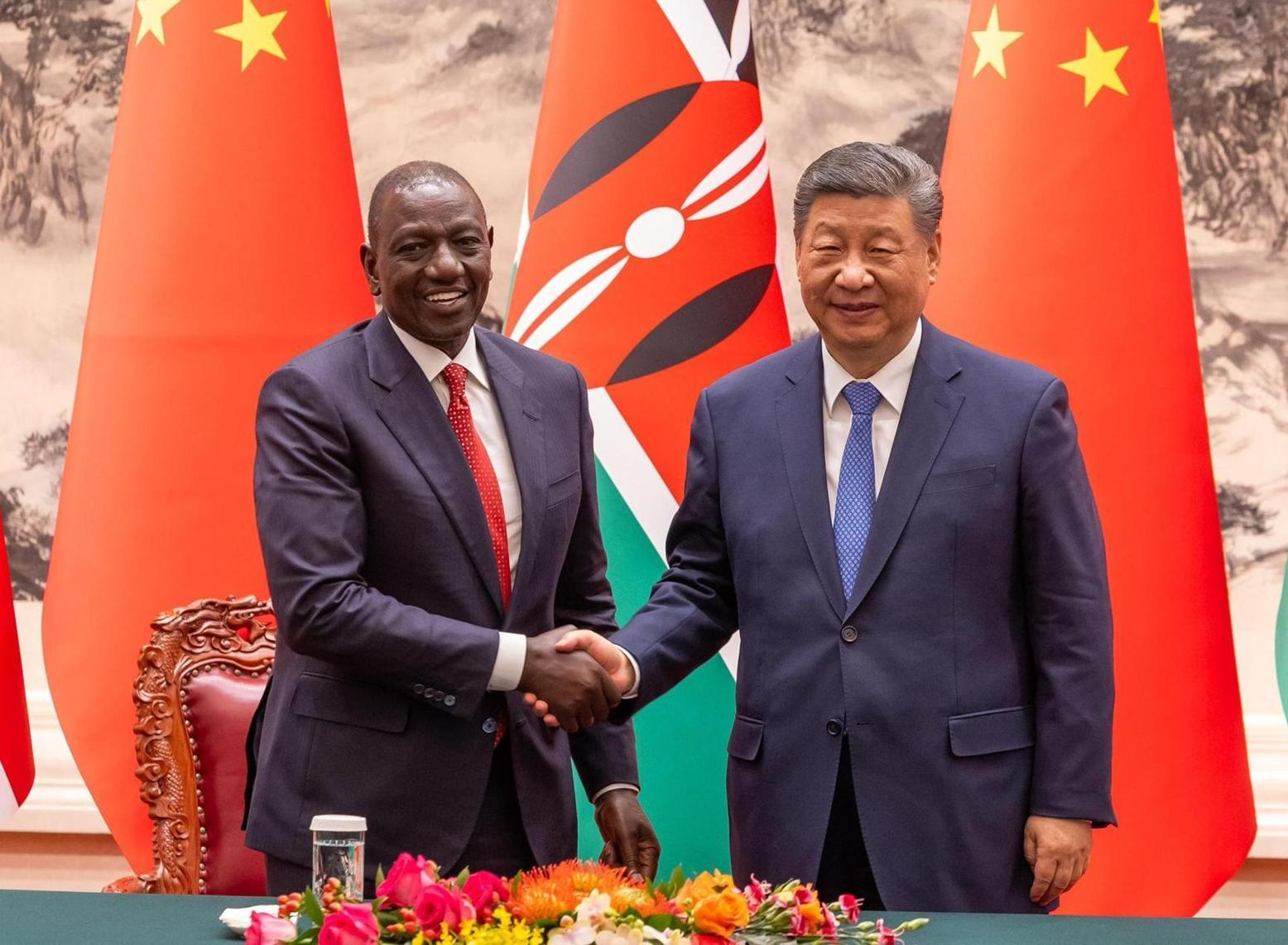
This shift is driven by a combination of deepening financial infrastructure and landmark trade deals, such as Nairobi’s recent duty-free agreement with Beijing, which are providing a critical test case for what is fast emerging to be the “renminbi (RMB) pivot.”
A flagship report by global lender Standard Chartered published recently, titled “Renminbi in Motion for Corporates,” explains why this structural gap is narrowing.
While China accounts for over 15 per cent of global trade, the RMB still represents only 3.1 per cent of global payments, but companies are increasingly utilizing the currency for trade settlement and supply chain financing to capture significant savings.
The report found that while 25 per cent of corporate costs carry RMB exposure, only 14 per cent of debt is denominated in the currency—a mismatch that allows firms to realize annual savings of up to 2 per cent by switching working capital financing to RMB.
The surge is further supported by the expansion of the Cross-Border Interbank Payment System (CIPS), China’s alternative to SWIFT, which now connects more than 1,500 financial institutions globally.
Nowhere are the practical benefits of this shift clearer than in East Africa, where Kenya has actively championed alternative currencies to mitigate “dollar rigidity”—the vulnerability created by heavy reliance on the U.S. greenback for international debt obligations.
In October, Nairobi completed the conversion of approximately $5 billion in outstanding balances on Chinese loans for the Standard Gauge Railway into yuan.
The move has yielded immediate fiscal dividends, with data from the Office of the Controller of Budget showing Kenya paid Sh37.5 billion ($290.7 million) to China Eximbank in January—a sharp decline from the Sh59 billion paid during the same period last year.
Kenyan Treasury officials have publicly acknowledged that these yuan-denominated loans carry interest rates as low as 3 per cent, significantly undercutting dollar-based financing costs and insulating the national budget from U.S. Federal Reserve policy swings.
Kenya’s actions are part of a broader global and continental trend as nations around the world seek to de-risk from the dollar amid foreign exchange shortages.
Ethiopia’s central bank for instance recently confirmed negotiations to convert part of its $5.38 billion Chinese debt into yuan, while Zambia has officially begun accepting the currency for mining taxes and royalties.
Further reinforcing this shift, Standard Bank, which is also Africa’s largest lender by assets, recently became the first on the continent to directly integrate with CIPS, allowing for near real-time clearing that bypasses the slower, more costly dollar-based correspondent banking system.
This financial transition coincides with major trade liberalization. Kenya recently confirmed a preliminary agreement granting zero-duty access for 98.2 per cent of its goods to the Chinese market.
Trade Cabinet Secretary Lee Kinyanjui described the framework as a monumental progression designed to rebalance a lopsided relationship; in 2023, Kenya imported Sh459 billion from China while exporting only Sh29 billion.
By eliminating average import tariffs of 10 per cent, the deal makes Kenyan agricultural exports, including specialty tea and avocados, instantly more competitive.
Standard Chartered’s report concludes that RMB usage is no longer restricted to infrastructure finance but is becoming the primary financial rail for energy and trade corridors.
By aligning financial flows with the commercial reality of China’s strength as a trading partner, African nations are successfully lowering debt costs and reducing currency risk amid global financial uncertainty.
Source: The Star