
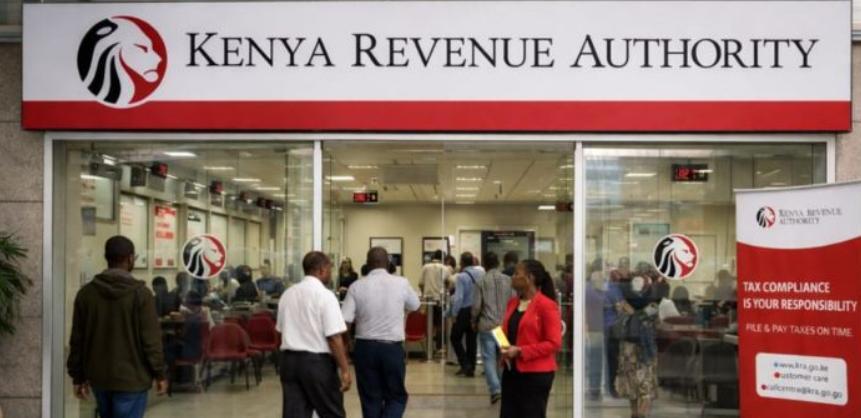
Africa-Press – Kenya. Kenyans have been warned against sharing their KRA PINs unnecessarily, following a rise in fraudulent expense claims ahead of the 2025 tax filing period.
A Kenyan taxpayer recently raised an alarm over an emerging trend, warning that exposing your KRA PIN and sharing it unnecessarily could expose you to fraudsters who exploit the information under the new tax deduction guidelines introduced by the Kenya Revenue Authority.
According to the taxpayer, tax cheats are actively searching for PINs to use in fraudulent expense claims for the 2025 tax year.
“Hide your KRA PINs, guys. Tax cheaters are hunting for them. Many people do not have eTIMS receipts to support expenses for 2025. And KRA has now allowed deduction of such expenses,” the expert stated.
The warning comes in the wake of new provisions linked to the authority’s electronic tax invoice system, eTIMS, which now allows taxpayers to claim certain business expenses even where electronic receipts may be missing, but under certain conditions.
Under the guidelines, taxpayers seeking to deduct such expenses must first submit a detailed list of the expenses to KRA before filing returns and include the supplier’s KRA PIN for each transaction.
This requirement has opened a loophole that dishonest individuals could exploit by using random PINs obtained from unsuspecting Kenyans to justify fake expenses.
It is worth noting that if a taxpayer’s PIN is used in another person’s expense records, KRA systems could still interpret it as undeclared sales by the PIN owner, triggering tax compliance queries.
In such cases, affected individuals could receive inquiries from KRA indicating they made millions in sales that were never declared in their tax returns, forcing them into lengthy explanations and visits to tax offices to clear their names.
For instance, individuals might face multi-million shilling tax bills for activities they never conducted but were linked to their PIN.
Also, stolen KRA PINs can be used by fraudsters to register fake companies for money laundering and tax evasion scams. Uncancelled PINs of deceased individuals are also frequently exploited for similar criminal activities.
Many Kenyans leave sensitive documents and login credentials with cyber attendants, breaking the security chain and making it hard to determine responsibility if fraud occurs. With this in mind, taxpayers are encouraged to ensure they do not leave their tax information with cyber cafes so as to protect themselves from tax fraud.
Fraudsters often use social media where they impersonate KRA officials to trick people into sharing private information or sending money for “clearing” penalties.
KRA has, in times without number, warned Kenyans against sharing their credentials on social media, urging them first to confirm whether the agency requesting information is KRA.