Africa-Press – Kenya. The Ethics and Anti-Corruption Commission (EACC) has said it will not directly investigate the ongoing oil importation scandal to avoid duplication of roles with the Directorate of Criminal Investigations (DCI).
EACC chief executive officer Abdi Mohamud said the commission had opted to let the DCI conclude its investigations before determining whether any anti-corruption offences fall within its mandate.
“That matter is being handled by the DCI. You have seen people going there to record statements. In order to avoid parallel investigations and double handling, once DCI takes up a matter, we leave it to them to conclude,” Mohamud said.
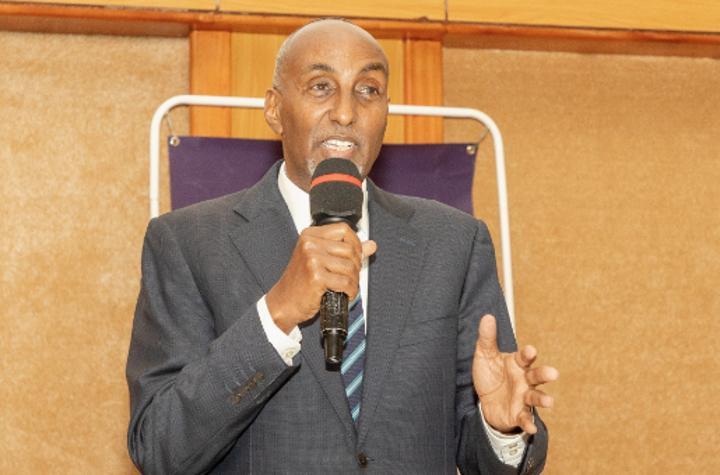
He spoke during an anti-corruption workshop for media practitioners in Nairobi on Tuesday,
The CEO said the nature of the alleged offences will determine whether the EACC steps in at a later stage, particularly if violations under the Anti-Corruption and Economic Crimes Act are established.
“From the look of it, most of the offences that may come up could fall within criminal law, but if any issues arise under the Anti-Corruption and Economic Crimes Act, we will take them up at that stage,” Mohamud said.
The CEO emphasised the need for coordination among investigative agencies, noting that overlapping mandates often require a structured approach to ensure efficiency and avoid conflicts.
His remarks come amid heightened public scrutiny over the oil importation process involving the Kenya Pipeline Company (KPC), with several individuals already questioned by investigators.
On concerns raised by senators regarding alleged financial impropriety by some county governments, Mohamud said the commission is already tracking the issues through established institutional linkages, even in the absence of formal reports.
“We have liaison officers in both the County Public Accounts Committee and the County Public Investments Committee of the Senate. Our officers sit through these deliberations and pick up issues as they arise,” he said.
He said although the EACC has not yet received official communication from the Senate on some of the matters, preliminary investigations have already commenced based on information gathered through these channels.
“As of now, we have not received the formal report from the Senate, but we have already picked up the issues,” Mohamud said.
The CEO said the commission does not have to wait for formal referrals to act, especially where credible information pointing to possible corruption is available.
Mohamud said the commission will continue to monitor developments in both the oil importation probe and county-level disputes, taking appropriate action where necessary within its mandate.
The workshop also highlighted the importance of collaboration between investigative agencies and the media in strengthening accountability and transparency in public institutions.
The anti-corruption forum brought together key stakeholders in the media and governance sectors, with calls for stronger partnerships and legal safeguards to enhance the fight against graft.