What You Need to Know
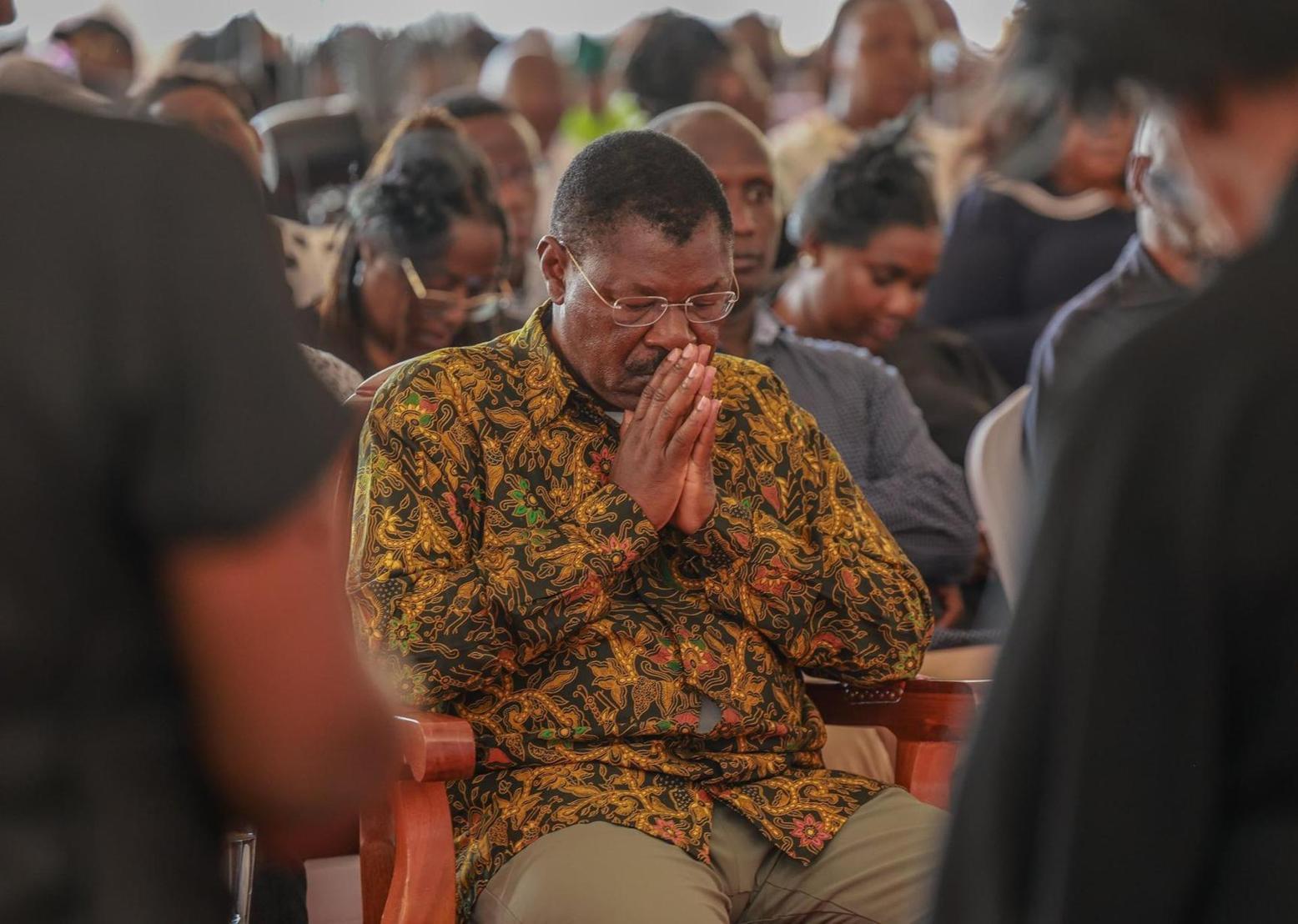
National Assembly Speaker Moses Wetang’ula has urged MPs to actively engage in resolving the backlog of national identification cards. He emphasized the need for parliamentary staff in constituency offices to assist in the distribution of IDs, following concerns raised by Mandera South MP Abdul Haro about significant delays affecting applicants, particularly in northern Kenya.
Africa-Press – Kenya. National Assembly Speaker Moses Wetang’ula has directed MPs to take a more active role in ensuring national identification cards reach applicants.
Addressing the House, the Speaker reminded MPs that Parliamentary staff in constituency offices could be deployed to assist in the issuance and collection of the critical documents.
“Members, as the Parliamentary Service Commission, I employ staff for you in your field offices. You have a duty to use the staff we pay to assist in delivering those IDs to your constituents,” said Wetang’ula.
“We cry that there are no IDs, yet when they are issued, no one picks them up.”
The Speaker’s remarks followed a request for a Statement by Mandera South MP Abdul Haro, who decried delays in the issuance of IDs in North Eastern Kenya.
Haro told the House that despite a recent directive by the Ministry of Interior and National Administration promising ID processing within three to seven days alongside same-day service in Nairobi, many applicants in northern Kenya have waited for more than six months.
“This delay raises serious concerns regarding equitable access to Government services,” he said. “With the ongoing voter registration exercise by the Independent Electoral and Boundaries Commission, these delays risk disenfranchising eligible youth and undermining their constitutional right to vote.”
He further raised alarm over reports from Mandera Central Sub-County, where duplicate ID cards were allegedly issued to individuals who already possessed valid documents, while new applicants remained unserved.
In his request, Haro demanded a comprehensive report detailing the number of IDs processed per county and sub-county, average processing timelines, causes of delays in northern Kenya, and measures to address both duplication errors and systemic inefficiencies.
The concerns sparked a broader debate, with lawmakers from across the country confirming that the delays are not confined to one region but reflect a nationwide challenge.
Funyula MP Wilberforce Oundo dismissed official timelines as unrealistic, noting that in his constituency, applicants wait between three and four months to receive their IDs.
Subukia MP Samuel Gachobe echoed similar frustrations, revealing that nearly 200 applicants in his constituency had yet to receive IDs months after applying.
“This is a cross-cutting issue. Some applied as far back as August and September last year and have not received their IDs,” he said.
In Kajiado North MP Hon. Onesmus Ngogoyo called for urgent intervention to align ID issuance with the ongoing voter registration exercise.
“Can we have a government policy requiring those who have not received their IDs to be called to pick them up within the next week so they can register as voters?” he posed.
Meanwhile, Igembe North MP Julius M’anaiba pointed to inequitable distribution of application forms, saying some registration centres receive as few as five to ten forms, effectively locking out potential applicants.
The issue of national identification cards in Kenya has long been a contentious topic, particularly in regions like North Eastern Kenya where delays are prevalent. The government has made efforts to streamline the ID issuance process, promising quicker turnaround times. However, systemic inefficiencies and logistical challenges have often hindered these initiatives, leading to widespread frustration among citizens who rely on these documents for access to essential services and voting rights. The current debate in Parliament highlights the urgency of addressing these challenges to ensure equitable access for all Kenyans.