What You Need to Know
Farmers in Lesotho are increasingly vulnerable to climate change, facing extreme weather that threatens crop production and food security. Innovative agricultural practices and effective policies are essential to build resilience. Local farmers highlight the need for drought-resistant seedlings and adaptive strategies to mitigate risks and enhance yields.
Africa-Press – Lesotho. As extreme weather conditions become more frequent due to climate change, farmers in Lesotho find themselves progressively vulnerable as this impacts crop production, food security and the overall economy.
Addressing these challenges requires a combination of innovative agricultural practices, effective policy frameworks and community engagement to build resilience against the changing climate.
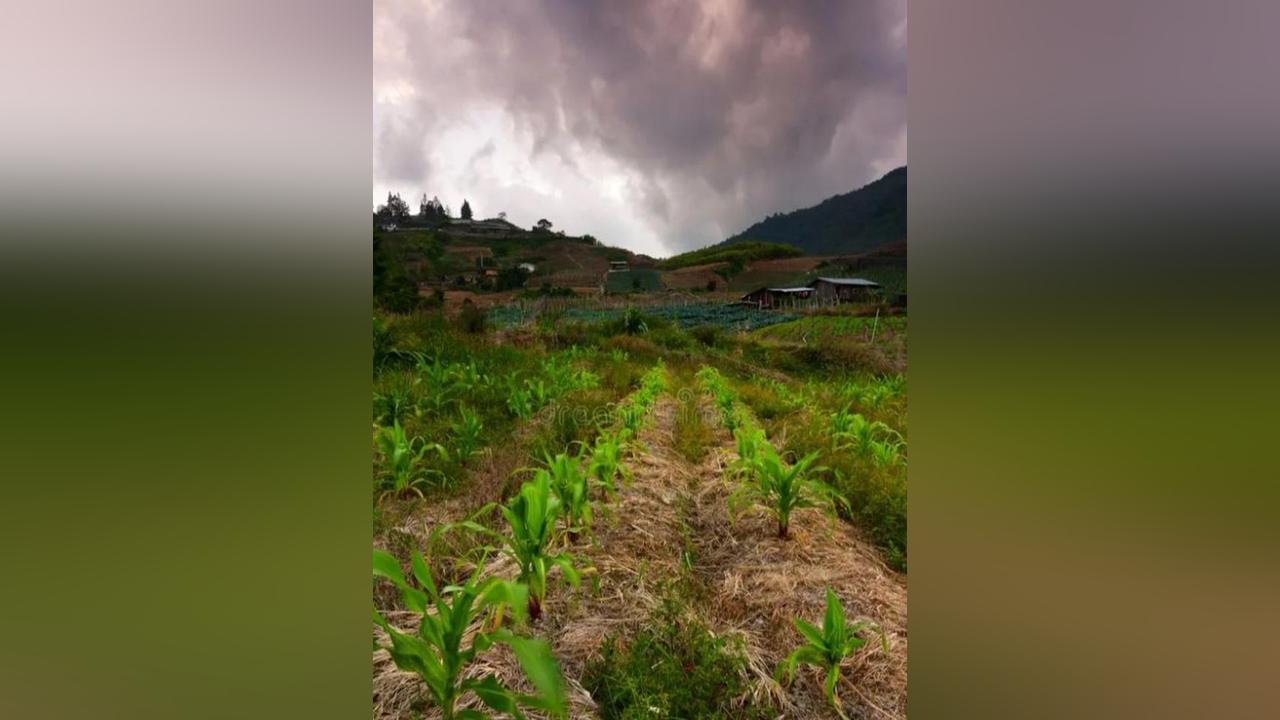
Speaking in an interview, Mr. Tlotlisang Sefali, farmer from Ha-Ntsi Machache said increased temperatures, decreased rainfall affect them saying that they have to plant under such situations which result in less or no yield at all.
He said at times they plant bearing in mind that there is going to be drought but instead they experience heavy rainfalls. He said major challenge is non provision of drought or excessive water tolerant seedlings saying in all weather conditions they use the same seedlings hence they are badly affected by this climate change.
He indicated that to ensure that they survive climate change, they have to adapt for good yield.
He said to minimize risk of crop failure, they could use measures such as staggered planting times, use of climate information to guide field preparation and planting and field techniques such as conservation agriculture to improve soil water holding capacity.
He added that the risk of reduced production of maize of all maize varieties can be partly offset by continued promotion of crop diversification, including intercropping and multi-crop approaches that include diverse legumes and alternative cereals such as sorghum and millet.
Another farmer, Mr. Paseka Pasane said the current unpredictable weather conditions greatly affect productivity leading to food insecurity. He said too much rain and drought especially for him who plants maize result in armyworm or cutworm which he said is not good for production.
He mentioned that for a farmer like him who does not own a field but hires, climate change not only affect production, but it is financially costly as he has to pay the field owner despite the low or no production.
He added that the government has to provide drought and rain tolerant seedlings saying this would help in increasing production thus leading to good yield.
Earlier the ministry of Forestry and Environment, released a seasonal forecast for the period from October 2025 to March 2026 revealing an outlook predicting normal to above normal rainfall for most of the country, with the south western and extreme northern parts expected to receive normal to above-normal rains. The forecast also warned of the increased likelihood of flash floods, thunderstorms, hailstorms, and strong winds, which could lead to widespread damage to crops and livestock.
Meanwhile the government of Lesotho has implemented several climate change interventions to address the country’s vulnerabilities and promote sustainable development. These include National Climate Change Policy developed in 2017, the NCCP serves as a framework for guiding climate-related actions and outlines a country’s strategy, goals, and commitments in addressing climate change.
It aims to build climate change resilience and low-carbon pathways, ensuring that all stakeholders address climate change impacts and their causes through appropriate adaptation and mitigation measures.
Lesotho, a landlocked country in Southern Africa, has been grappling with the impacts of climate change, which exacerbate existing vulnerabilities in agriculture. The country relies heavily on subsistence farming, making it particularly susceptible to fluctuations in weather patterns, such as droughts and heavy rainfall, which can devastate crops and livelihoods.
In response to these challenges, the government has developed policies aimed at promoting climate resilience among farmers. The National Climate Change Policy, established in 2017, serves as a framework for addressing climate-related issues and aims to enhance adaptive capacity while promoting sustainable agricultural practices to,