What You Need to Know
The Ministry of Finance and Development Planning in Lesotho, in partnership with the African Development Bank, has organized a workshop to evaluate project implementation. The event aims to identify challenges and enhance execution across sectors like water, energy, and ICT, emphasizing the need for improved institutional capacity and innovative financing solutions.
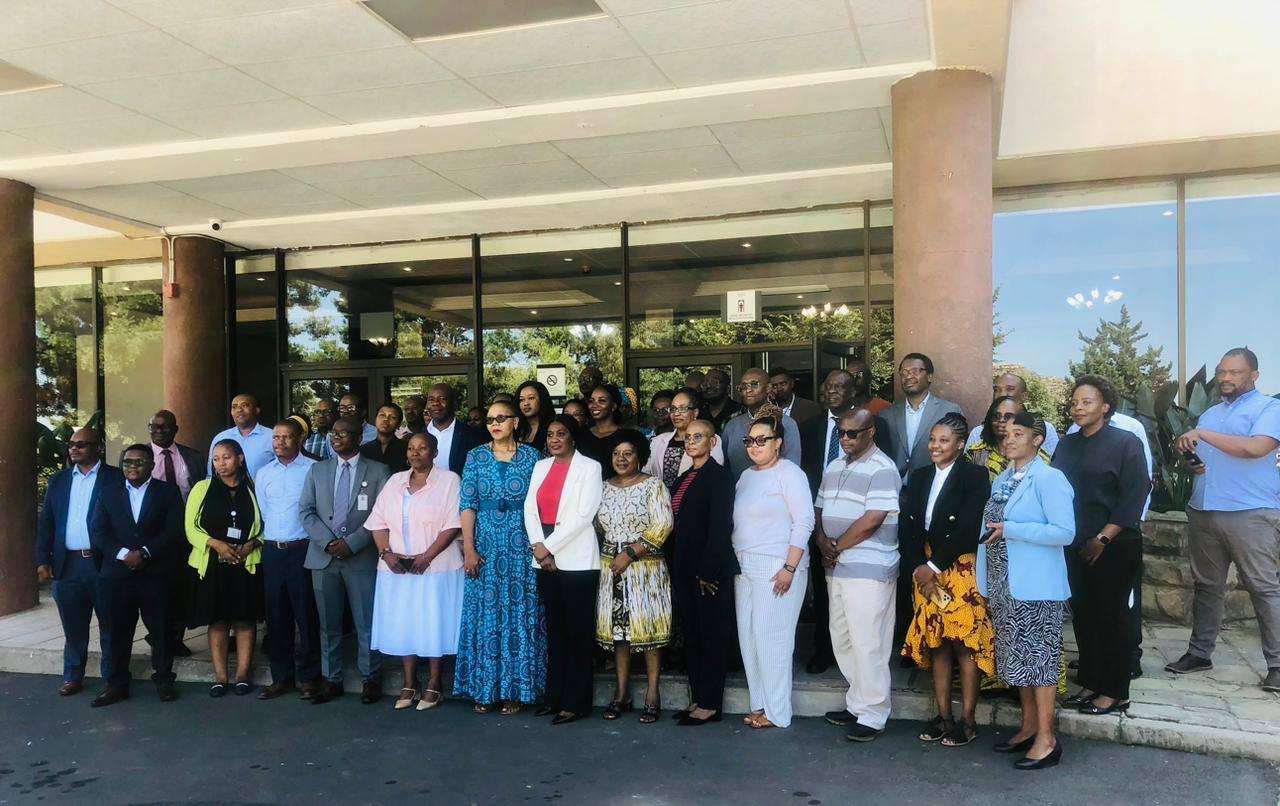
Africa-Press – Lesotho. The Ministry of Finance and Development Planning, in collaboration with the African Development Bank(AfDB), has convened a two-day workshop to assess the implementation of its project portfolio, identify key challenges and agree on measures to improve execution and development impact.
Speaking at the event, Principal Secretary in the Ministry, Ms. Nthoateng Lebona, said the workshop aims to review progress made under the ongoing cooperation with the AfDB across key sectors such as water, energy and information and communication technology (ICT).
She indicated that the government has been working with the Bank on several projects and that progress has been mixed, with some initiatives performing well while others continue to face implementation challenges that require closer attention.
Ms. Lebona further noted that there is a need to strengthen institutional capacity, particularly in planning, financial management, and monitoring and evaluation, in order to improve project implementation and to reduce associated costs.
She also highlighted the importance of developing effective frameworks that will enable the Ministry to better manage its portfolio, address bottlenecks and enhance efficiency.
She stressed the need to explore innovative ways of financing and capacitating project teams to ensure completion of ongoing projects while preparing for new ones under the upcoming country strategy scheduled for launch on March 18.
Ms. Lebona emphasised the need for a well-informed and inclusive implementation plan, supported by development partners, civil society organisations and the private sector, to ensure accountability and improved service delivery.
Meanwhile, AfDB Group Deputy Director General for Southern Africa and Country Project Manager for Lesotho, Ms. Moono Mupotola, said the Country Portfolio Performance Improvement (CPPI) workshop provides an opportunity to assess performance and strengthen collaboration.
“This platform allows us to take stock of performance, reflect on challenges encountered during implementation and, most importantly, identify practical solutions to improve the effectiveness and impact of our operations,” she said.
Ms. Mupotola noted that the CPPI process is a collaborative mechanism aimed at improving coordination among stakeholders. She added that through open discussions, shared experiences and lessons learned, stakeholders can enhance project performance and ensure that initiatives deliver tangible results for Basotho.
She further said the AfDB portfolio in Lesotho focuses on key sectors including infrastructure development in water, energy and ICT, as well as governance and institutional strengthening.
While these investments contribute to economic growth, she pointed out that challenges remain in areas such as project readiness, procurement processes and implementation capacity.
The African Development Bank has been a long-standing development partner to Lesotho, supporting projects aimed at improving infrastructure, strengthening institutions and promoting economic growth.
Lesotho has a long-standing relationship with the African Development Bank, which has been instrumental in funding various development projects aimed at enhancing the country’s infrastructure and institutional capacity. Over the years, the AfDB has supported initiatives in critical sectors such as water, energy, and ICT, contributing to economic growth and development. However, challenges in project implementation and management have persisted, necessitating collaborative efforts to address these issues and improve outcomes for the Basotho people.