PATRICK S. TOKPAH
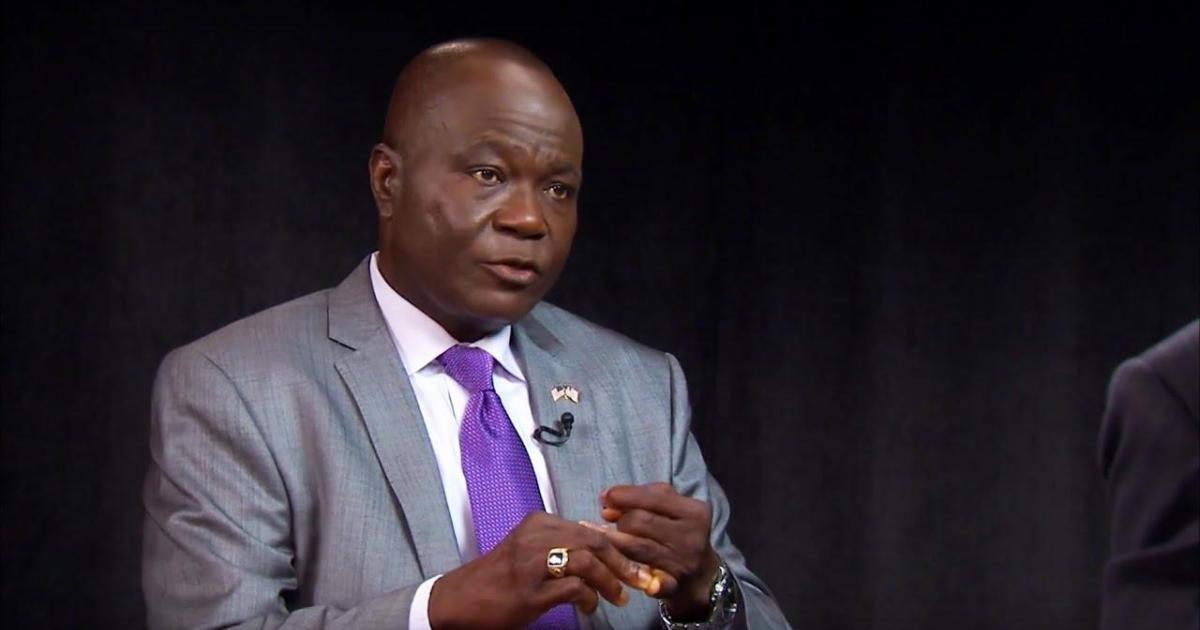
Africa-Press – Liberia. Jeremiah Solunteh, a former Liberian Ambassador to the United States of America, has warned “electorates” against succumbing to the temptation of casting their votes in exchange for material goods such as bags of rice or other gifts.
Solunteh, who is now the Campaign Manager for Weah’s ruling party in vote-rich Bong County, argued that when voters cast their votes solely based on material gifts, it not only compromises the citizens’ rights to choose their leaders freely but also weakens the nation’s progress.
He added that it is important that voters resist the allure of short-term gains and focus on shaping the future of Liberia, which is pivotal, over temporary gains.
“If Liberians vote for people who have the country at heart, the country and its citizens stand a greater chance to benefit from more developments and the overall improvement of their lives,” said Solunteh in a recent radio interview in Bong County.
“Voting is a sacred power that needs not to be given away in exchange for bags of rice or a few dollars from politicians who often don’t represent the people’s interests,” he added. “Some young people do not value what they want to see in the future, and it is about time voters elect individuals who have integrity and passion for Liberia’s development.”
Solunteh argued that Liberian electors should see elections as a platform for them to express their opinions and elect leaders who align with their values and aspirations, rather than being reduced to a mere exchange of goods.
He added that the act of voting should be guided by a sense of civic duty, responsibility, and the sincere desire of the electorate to elect leaders who will prioritize the nation’s development and progress rather than succumbing to short-term inducements.
The former ambassador’s warning comes as Liberia prepares for a pivotal election that could shape the nation’s trajectory for years to come.
Gift voting, a practice where voters are swayed by the distribution of material goods from political candidates in exchange for their votes, is a recurrent issue in Liberian elections.
Critics argue that the practice leads to a skewed representation; as it shifts the focus from evaluating candidates’ platforms and policies to a transactional relationship between voters and politicians.
The practice is, however, not confined to Liberia alone; as it has been recognized as a challenge in various democracies across the globe. But Liberia’s socio-economic inequalities make the practice common among all voters, including members of the governing party of which the former ambassador is a member.
Sulunteh, however, noted that as things stand, the Liberian electorate, especially the young ones, needs some serious civic voters’ education so that they acquire knowledge on why their votes matter. This way, he said, voters would be aware of their role in shaping the future of Liberia, which is for the greater good over temporary gains.
For More News And Analysis About Liberia Follow Africa-Press