TINA S. MEHNPAINE
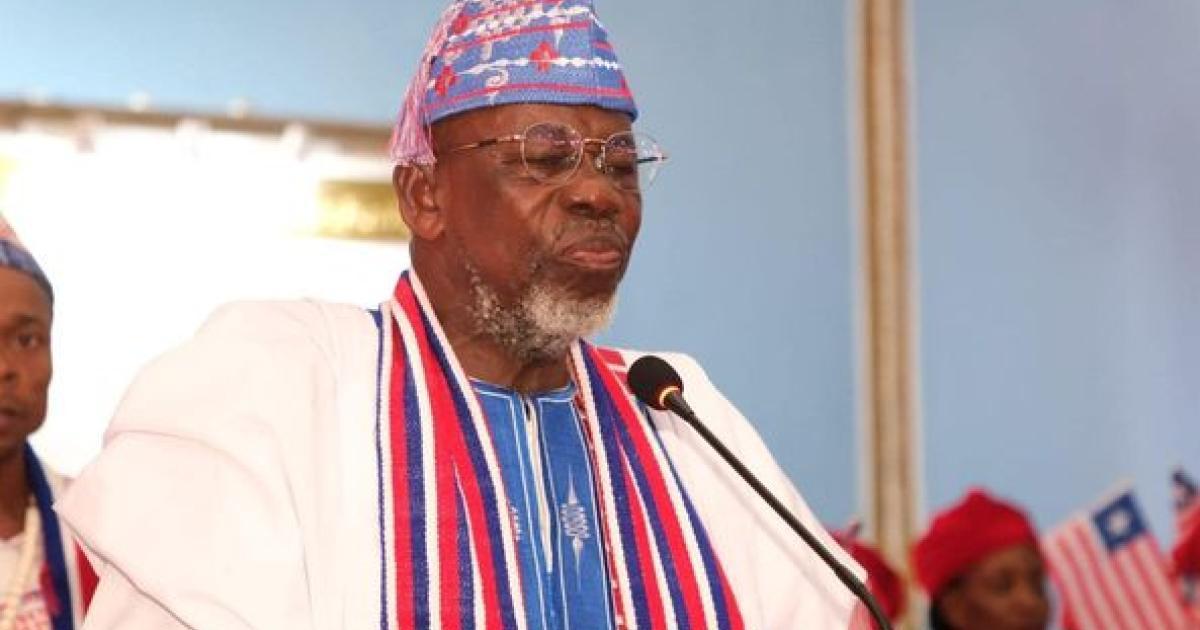
Africa-Press – Liberia. Chief Zanzan Karwor, Chairperson of the National Council of Chiefs and Elders of Liberia, says the forceful initiation of women and girls into the sande bush has gained such public outcry that many are calling for sande to be abolished.
“This Sande is not bad,” he said. “But you grab somebody, you carry [the] person in the Sande, that’s what brings us outside.”
Female Genital Mutilation is a popular traditional practice in Liberia. It involves the cutting of clitoris in the vagina with a razor blade or knife by traditional women leaders in a sacred place “sande bush”.
Victims faced lifelong complications such as bleeding, pains, infection, infertility, and even death, prompting advocates and activists to call for a full ban.
UN Women, European Union, and the Swedish embassy are supporting these efforts through the National Council of Chiefs and Elders in Liberia by building heritage and vocational centers as an alternative for the bush school.
“On behalf of the council of chiefs and elders of Liberia, and the power invested in me here, Grand Cape Mount County [is] closed, no Sande now until otherwise ordered,” chief Karwor announced in Tienne, Tewor district, Grand Cape Mount County.
So far, heritage centers have been built in Sonkay town, todee, rural Montserrado, Grand Cape Mount, Nimba, and yet to be finished in Lofa counties. The centers are established to provide alternative economic livelihood programs to women zoes to desist from the practice of FGM.
The Sande school closures in Grand Cape Mount County makes it the third county, out of the nine counties that practice FGM to end female genital multilation.
“We [have] closed all [the] women bush schools here. Any bush in question, the masterman needs a mandate,” Karwor said.
Liberia does not have law that criminalizes FGM, and those who forcefully practice the act are not penalized, but in February 2022, the National Council of Chiefs and Elders, in collaboration with the Government of Liberia, proclaimed a three-year ban on the practice of FGM from 2022 to 2025.
Nonetheless, Liberia remains one of the three West African countries that do not have a law criminalizing FGM, despite having signed and ratified regional and international human rights instruments condemning the practice as a human rights violation, including the Maputo Protocol that seeks to outlaw FGM.
“A lot of times we sign treaties, we sign all of the documents, but we are not committed to them, but the traditional people have proven that their word is their bond. They stand by their word and, because of that, you have gained our respect,” said Alice Johnson-Howard, deputy minister of Gender.
She hailed traditional leaders for their commitment and dedication to upholding their promises in the interest of the nation.
“It is important to note that you have concretized that commitment because you have other counties to go. We say thank you for turning your load over.”
The ceremony was graced by traditional leaders, civil society organizations, partners, and prominent citizens. Cultural dances were performed. As part of the ceremony, traditional leaders turned in their tools, and received permits issued for practice by the government of Liberia.
“Thank you for bringing this load. I will protect it. Nothing will happen to them,” Karwor assured the women.”
Yawo Maglo, UN Women Operations Manager, thanked the traditional leaders and the government of Liberia for efforts made so far to protect women and girls.
“On behalf of UN Women organization and on behalf of the country representative, Comfort Lamptey, who is out of country, I would like to reiterate our sincere thanks and appreciation to the government of Liberia and the National Council of Chiefs and Elders of Liberia for their continued efforts to protect women and girls from violence and harmful practices.”
For More News And Analysis About Liberia Follow Africa-Press