Africa-Press – Liberia. The United Bong County Association in the Americas (UBCAA) has appealed to the Government of Liberia to allow the long-awaited construction of the Jor River Bridge in Bong County to proceed, describing the stalled project as a matter of humanitarian urgency and developmental necessity.
The appeal was made during a well-attended press conference in Minnesota, where UBCAA executives urged the government to grant immediate clearance for the Citizens Movement for Change (CMC), under the leadership of businessman and philanthropist Hon. Musa Hassan Bility, to complete the 38-meter bridge.
UBCAA also sent formal letters to the Minister of Public Works, Hon. Roland Laytette Giddings; the Chairperson of the Bong County Legislative Caucus, Senator Prince Moye; and the County Superintendent, Hon. Loleyah Hawa Norris, urging them to reconsider the government’s earlier communication that halted construction.
The association called for the project to be carried out under the technical supervision of the Ministry of Public Works to ensure compliance with national standards.
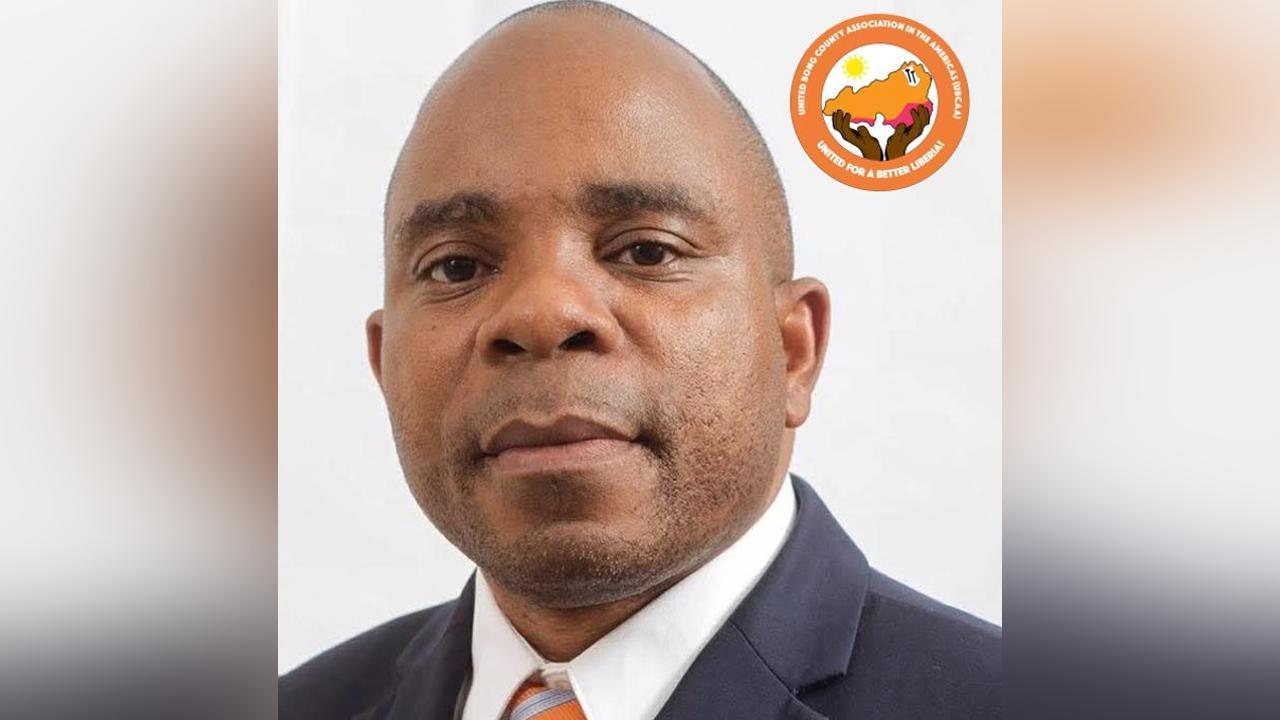
According to UBCAA President Mr. Caimon Joe Gbamokollie, the initiative reflects the inclusive development agenda of President Joseph Boakai’s government, which encourages collaboration between the public sector, private citizens, and the Liberian diaspora.
“This bridge is not just concrete and steel—it’s a lifeline,” Gbamokollie said. “Every day, children risk their lives crossing that river to get to school. Farmers and traders are cut off from markets. If a group of citizens has stepped up to solve this problem, the government should see that as partnership, not politics.”
The Jor River Bridge project has been a recurring dream and disappointment for residents of District Three in Bong County. Originally proposed more than a decade ago to link Civil Compound, Brooklyn, Gboveh Hill, and Jorkpenmue, the bridge was meant to ease decades of isolation and connect thousands of residents to schools, clinics, and marketplaces.
The current 38-meter bridge plan was championed by the Citizens Movement for Change (CMC) in partnership with District 3 Representative J. Marvin Cole. In October, CMC mobilized construction materials, including cement, iron rods, and gravel, to the site, sparking celebrations among residents who believed their long ordeal was finally ending.
However, in early November, the Ministry of Public Works ordered work to stop, citing the need for approval and noting that the project was already captured in the national budget. That announcement has since triggered public frustration, with community members accusing the government of blocking a citizen-led development effort that costs the state nothing.
In the affected communities, the river represents both a physical and emotional barrier.
For Mary Meanto, a mother of four from Civil Compound, the Jor River is a place of sorrow. “There used to be one big tree log here,” she says, pointing at the water’s edge. “Two children drowned right there trying to cross. They were my auntie’s children. We cried and cried, but nobody came from government. Nobody.”
She recalls the joy the day CMC trucks arrived with construction materials. “We thought our suffering was ending. We danced that day. Then suddenly, they said stop the work because it’s in some budget. Which budget? We don’t see any bridge here,” she said bitterly. Her plea is simple: “We are not fighting the government. We are begging. Let anybody build it—whether it’s Musa Bility or the president himself. We just want a bridge.”
Oldma Saye, a 68-year-old resident who has lived by the river for over two decades, echoed the same frustration. “I have seen promises come and go. When Musa Bility brought cement and iron rods, that was the first real thing we saw. Not just talk,” she said. “Now the materials are wasting, and we are back to the same old story.” She worries that children will once again be stranded during the rainy season. “When the water rises, the children can’t go to school. They fail classes, they lose hope. How can a country grow like that?”
At the fenced-off site where construction stopped, Joe Davis, a teacher at the local public school, stood watching the rusting materials. “Look at these rods wasting,” he lamented. “Even if the government says the bridge is in the budget, when will they build it—next year? After elections? By then, maybe another child will die.” He believes politics is at the heart of the problem. “This bridge became a problem because it was linked to an opposition leader,” he said. “But the river doesn’t know party colors. When it floods, it floods everyone—CDC, CMC, or UP.”
Benjamin V. Brown, a youth leader of Civil Compound, described the halt as a betrayal of community trust. “All the materials are here, the workers were ready. Then Public Works said stop. We don’t want fight; we just want progress,” he said. “When people take initiative, it’s not politics—it’s partnership. When you stop it, you stop development.” He added quietly, “A bridge is not about politics. It’s about life. Even those in power will one day use this same bridge.”
During its Minnesota press conference, UBCAA underscored that its appeal rests on three key pillars: humanitarian urgency, fiscal efficiency, and community empowerment. Gbamokollie noted that approving CMC’s involvement would not only save lives but also allow the government to reallocate funds earmarked for the project to other vital infrastructure needs, such as schools, health centers, and rural roads.
“We are not calling for shortcuts,” he explained. “We are calling for partnership—a partnership where citizens, government, and the private sector work together to deliver tangible results.” UBCAA’s Director of Communications, Mr. Jeremiah Mulbah, added that the organization stands ready to work with the Ministry of Public Works and Bong County authorities to ensure transparency and technical compliance throughout the project’s execution.
President Gbamokollie emphasized that UBCAA’s position was entirely humanitarian, not political. “This is about saving lives, promoting development, and fostering unity among Liberians,” he said. “UBCAA stands ready to partner with all stakeholders to make the Jor River Bridge a reality. The people of Bong County have waited long enough.”
For More News And Analysis About Liberia Follow Africa-Press