Africa-Press – Liberia. By: Naneka A. Hoffman
A cross-section of Liberians has welcomed the newly signed US$124 million bilateral health cooperation agreement between Liberia and the United States. Still, many are demanding more precise details on how the five-year health package will directly benefit citizens.
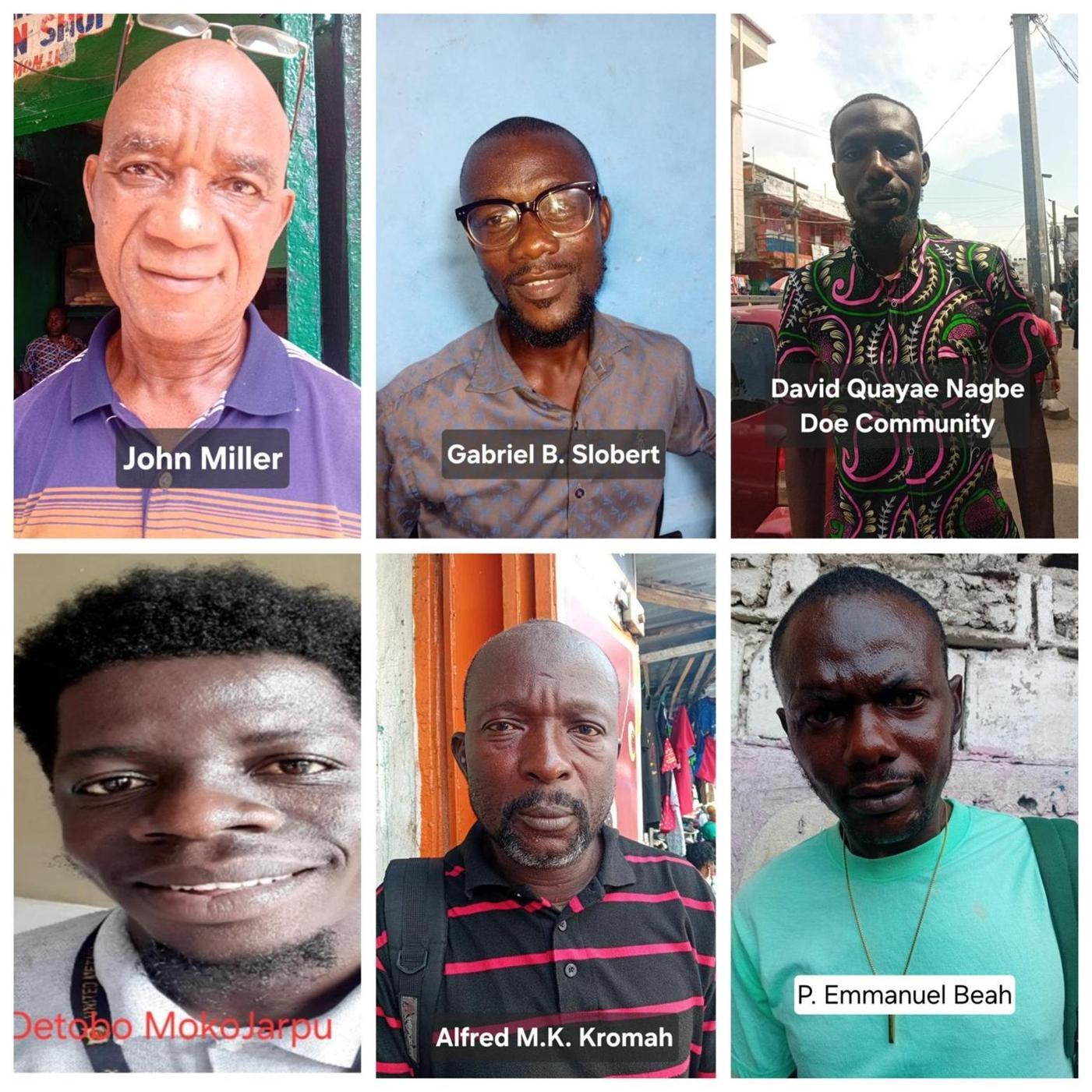
Speaking in an exclusive interview with citizens on Wednesday, Dec 10, 2025, in Monrovia, John Miller described the agreement as a positive step for ordinary Liberians who struggle with high medical costs.
“The deal is in the interest of the Liberian people… people are dying from diseases because of medical bills,” he said.
However, Miller insisted that the government must clearly explain how the money will be used. “Will people go to the hospital and receive free treatment? I don’t know. The government needs to come up and explain it to the public.”
Also speaking, Alfred M.K. Kromah, while he appreciates donor support, he remains skeptical about the impact. “I have seen so much money come into this country… but it hasn’t impacted the Liberian people,” he said.
Kromah, who identifies as a supporter of the Rescue Mission, stressed that corruption has weakened public trust. He cited poor conditions at health facilities, including clinics lacking drugs and workers leaving due to low pay.
“My sister, that US$124 million will only be divided among the same people… executives, judiciary, lawmakers,” he warned.
For his part, David Quayae Nagbe believes the deal is a significant achievement for Liberia’s international standing.
“Liberia is now seen as a partner in progress,” he said, referencing improved relations under the Boakai administration.
He noted that even US$1 million can make a difference in the health sector, calling the US$124 million investment “a big boost.”
Detobo Moko Jarpu commended the government for attracting support. “This money will help straighten some of our health problems… buying enough drugs, paying doctors, buying good equipment,” he said.
He, however, emphasized the need for transparency, adding, “Americans don’t give anything free to Liberia. The government owes us more information.”
Gabriel B. Slobert, the agreement brings pride and hope. “Our health sector is challenged, and these are the areas partners need to support,” he noted.
Slobert encouraged the media to engage the Foreign Ministry to obtain full details for public awareness.
Meanwhile, P. Emmanuel Beah said he is happy about the deal but uncertain of its actual value to citizens.
“I can’t tell you if it is good or bad,” he admitted. “The government needs to come up with sufficient information on how this deal will benefit the Liberian people.”
Beah stressed unity, adding, “If the government succeeds, we Liberians succeed.”
As the debate continues, Liberians across different backgrounds agree on one thing: the government must clearly explain the terms, benefits, and implementation plan of the US$124 million health cooperation agreement to restore trust and ensure that the funds bring real change to the country’s struggling health sector.
For More News And Analysis About Liberia Follow Africa-Press