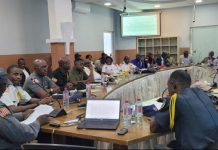
Africa-Press – Liberia. The Recovery of Economic Activity for Liberian Informal Sector Employment (REALISE) Project kicked off a dynamic five-day orientation training for service providers amid lively discussions and hands-on workshops under shaded tents, over 50 participants from Bong, Grand Gedeh, Lofa and Nimba Counties gathered to sharpen their skills for the project’s climactic third round of Community Livelihood and Agriculture Support (CLAS).
The training refreshes core areas like Occupational Health and Safety, Climate-Smart Agriculture, Life Skills and Business Management, equipping providers with practical tools from soil testing kits to digital weather apps to deliver high-impact support to rural beneficiaries.
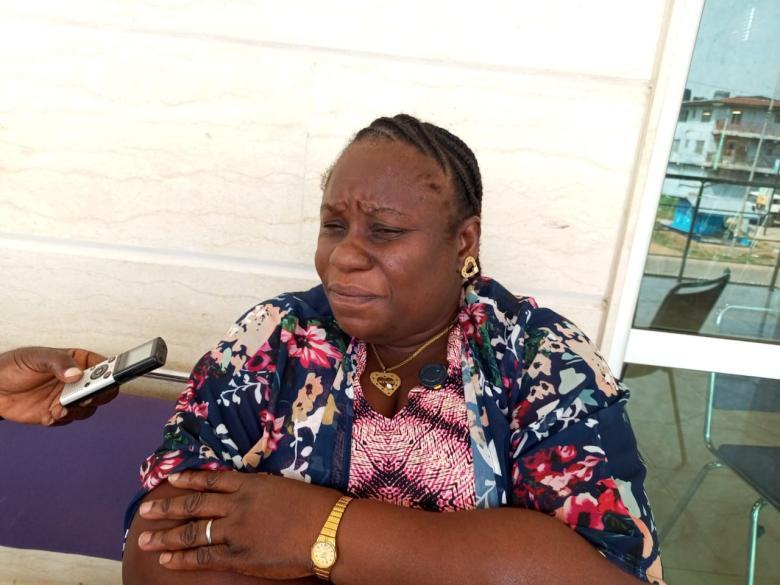
Deputy Project Coordinator Anita S. Kolubah Marshall, addressing an energetic group of local organizations and Ministry of Internal Affairs representatives, explained that, “this workshop revisits procedures from prior rounds, reviews achievements, tackles challenges, and builds capacity for Western Cluster staff in Bomi, Cape Mount and Gbarpolu Counties.”
Round One reached 192 communities, Round Two expanded to 240, and Round Three now targets 303—totaling 735 communities and 24,255 direct beneficiaries cultivating at least 35 acres per site with staples like rice and cassava.
“We’re strategizing for a smoother, results-driven finale,” she said, as participants role-played scenarios like coordinating labor subsidies during rainy seasons.
REALISE:
A Lifeline for Liberia’s Vulnerable Rural Communities Funded by the World Bank, French Development Agency and Embassy of Sweden, REALISE is a Government of Liberia(GoL) flagship strengthening social protection amid post-Ebola recovery and economic shocks.
Operating across all 14 counties, it blends Labor-Intensive Public Works and Small Business Support in Montserrado and Margibi; Social Cash Transfers in Grand Bassa, River Cess, River Gee, Grand Kru and CLAS in eight counties.
Initially aiming for 53,650 beneficiaries, it now serves about 65,000, boosting incomes, food security and resilience.
Under CLAS, beneficiaries receive farm inputs, technical training, and labor subsidies, fostering group farming that yields bountiful harvests like one Lofa community group harvesting 5 tons of rice in their first season, enough to feed 200 families and generate surplus sales.
Cash grants of US$350 per beneficiary in Rounds One and Two reaching over 14,000 people have funded health needs, school fees, and micro-ventures, from soap-making to poultry rearing.
Marshall shared stories of women-led groups in Nimba who, post-training, diversified into vegetable sales, turning barren plots into thriving markets.
The project has delivered 432 community sub-projects, including renovated town halls with solar lighting, upgraded school roofs enduring heavy monsoons, and low-cost bridges easing access to remote farms.
Climate-smart innovations shine through: trainees learn contour plowing to prevent erosion on hilly terrains, drought-resistant seeds for erratic rains and VSLA models where farm profits split into savings (40%), sustainability funds (30%), and member shares (30%) ensuring self-reliance for at least three years post-project.
In rural Liberia, where 60% of the population farms amid climate volatility and poverty rates hovering at 50, percent REALISE’s holistic approach merging agriculture, infrastructure, and market linkages via Farmer-Based Organizations charts a sustainable escape from vulnerability.
“We’re not just planting crops; we’re sowing seeds of lasting prosperity,” Marshall emphasized, as participants networked over local palm wine and cassava leaves, energized for the road ahead.
For More News And Analysis About Liberia Follow Africa-Press