Africa-Press – Malawi. Many people will understand the slave trade easily because they learned at school how it happened in the past. However, human trafficking is difficult to understand or figure out how this takes place, but stories have been read explaining some people who got stranded somewhere and found it very difficult to return home.
We have heard of Alarming numbers of young Malawian women and girls who were trafficked to Gulf countries such as Oman, Qatar, and the United Arab Emirates where they were subjected to sexual, physical, and emotional abuse.
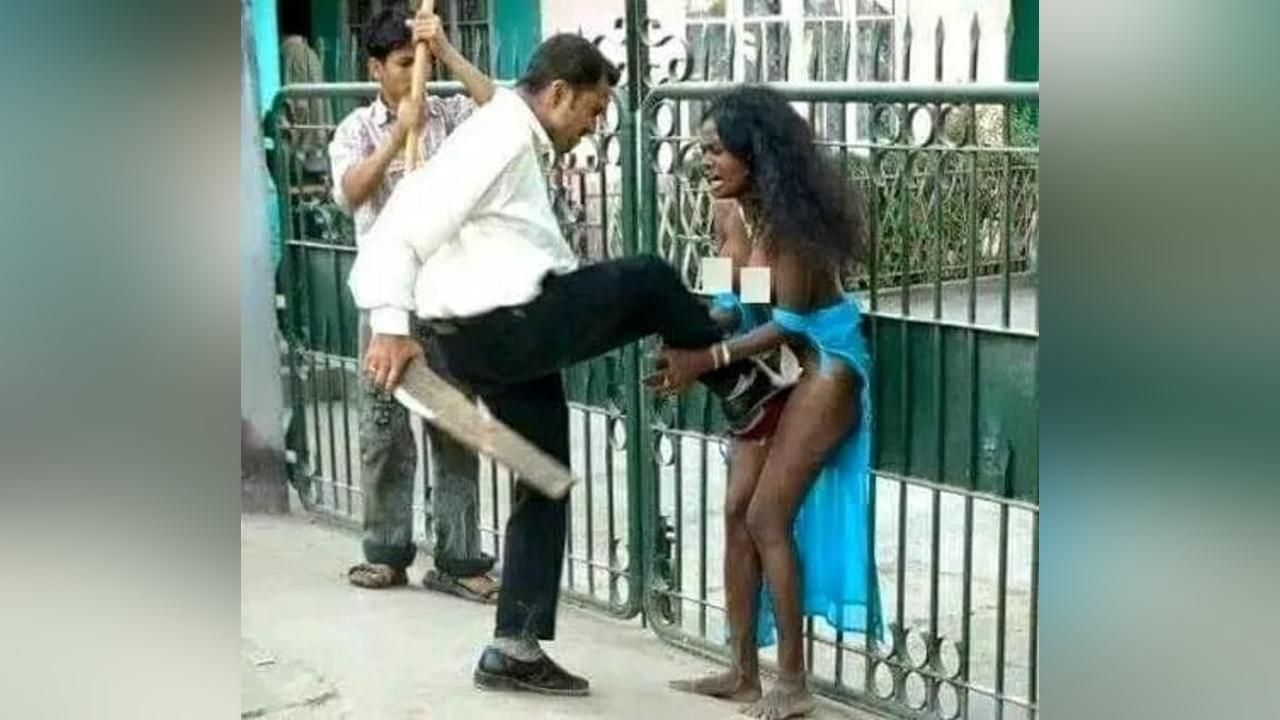
Several posts went viral on social media platforms in which trafficked victims working in Oman described their living conditions as inhumane. Some alleged that they suffered abuses of rape, torture, and poor pay with no access to justice or a safe route back home.
A 25-year-old Malawian girl was trapped in Oman but narrated to a reporter in a conversation via WhatsApp. She was named Yamikani at that time for security reasons.
Human Trafficking is the recruitment, transportation, transfer, harboring or receipt of people through force, fraud or deception, with the aim of exploiting them for profit. Men, women, and children of all ages and from all backgrounds can become victims of this crime, which occurs in every region of the world.
Effects
The physical and mental health effects of human trafficking are serious. It can cause a loss of basic human rights, loss of one’s childhood, disruption in families, and severe mental health consequences, including anxiety disorders, posttraumatic stress disorder (PTSD), depression, and substance abuse.
Human Trafficking And Slavery
Adults and children can be trafficked or enslaved and forced to sell their bodies for sex. People are also trafficked or enslaved for labour exploitation, for example: to work on a farm or factory. to work in a house as a servant, maid or nanny.
Types
There are different rules for Bikram trafficking and these include : •Forced Labor •Domestic Servitude. •Forced Child Labor. •Child Sex Trafficking. •Consent.
•Movement.
•Debt Bondage.
•Non-Penalization.
•State-Sponsored Human •Trafficking.
Forced Labor
Forced labor occurs when individuals are compelled against their will to provide work or service through the use of force, fraud, or coercion.
Domestic Servitude
“Domestic servitude” is a form of forced labor in which the trafficker requires a victim to perform work in a private residence.
Forced Child Labor
Africa has the largest number of child laborers; 72.1 million African children are estimated to be in child labour and 31.5 million in hazardous work. Progress against child labour appears to have stalled in Africa.
Child Sex Trafficking
In simple terms, it is the exchanging of something of value for sex with a child/minor. While proof of force, fraud, or coercion is required for adult sex trafficking victims, these elements are NOT required when the victim is a minor, nor is it a requirement that a 3rd party benefits from or facilitates the exchange.
Consent human trafficking
Consent under the law means a freely given agreement by a competent person. Lack of consent is often evoked to distinguish trafficking from human smuggling – which involves voluntary conduct on the part of the person being smuggled – although in practice it can be hard to separate the two.
Movement
When did the human trafficking movement start? Trafficking of women into the United States for sexual exploitation first came to the nation’s attention between 1860 and World War I. Human trafficking is a lucrative illicit business.
Debt bondage
Victims of forced labour may also be victims of debt bondage, where they are tricked into working for little or no money to repay a debt. An employer or controller will use different tactics to trap the victim in an endless cycle of debt which can never be repaid and may even be passed on to their families.
Non-Penalization
Trafficked persons should not be subject to arrest, charge, detention, prosecution, or be penalized or otherwise punished for illegal conduct that they committed as a direct consequence of being trafficked.
State-Sponsored Human Trafficking
From forced labor in local or national public work projects, military operations, and economically important sectors, or as part of government-funded projects or missions abroad, officials use their power to exploit their nationals.
Conclusion
We can do something to prevent human trafficking. Encourage companies to take steps to prevent human trafficking in their supply chains and publish the information, including supplier or factory lists, for consumer awareness. Volunteer and support anti-trafficking efforts in your community.
You can escape human trafficking. In other countries, you contact the National Human Trafficking Hotline 24-hour hotline at given phone numbers to obtain local referrals for shelter or other social services and support. I’m not sure if we have human trafficking hotlines in Malawi because I have never heard of any and I stand to be corrected if there are. I would like to assume that we have numbers for the Criminal Investigations Department (CID).
The Hotline connects you with specialized law enforcement referrals. However, if you are ever in immediate danger, I believe you can contact 997 first or any other nearest Police phone number you may have here in Malawi.
For More News And Analysis About Malawi Follow Africa-Press