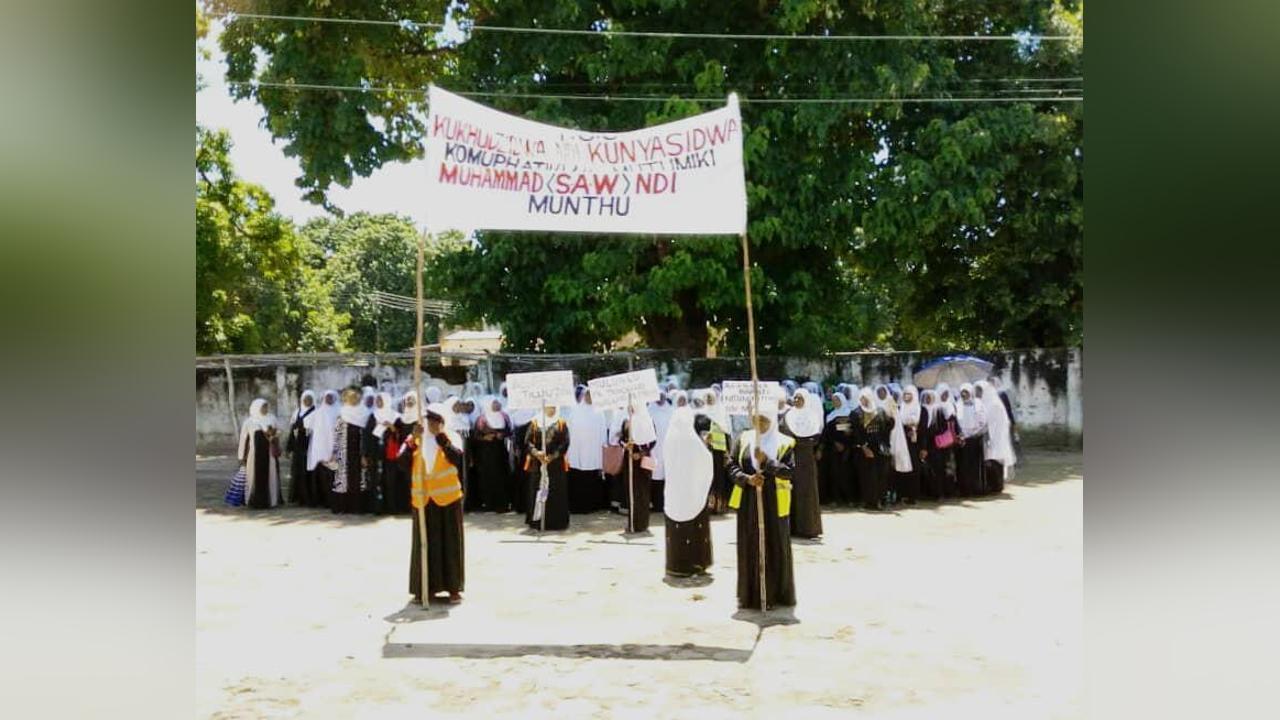
Africa-Press – Malawi. The Muslim community in Malawi, like many religious communities around the world, plays a significant role in shaping and guiding the behavior of its members. One notable aspect of this guidance is the issuance of pastoral letters, which are often used by religious leaders to provide moral guidance, address social issues, and occasionally criticize government policies. However, within the Muslim community in Malawi, the tradition of issuing such letters criticizing the government appears to be infrequent. This analysis aims to explore the likely reasons behind this phenomenon.
Political Climate and Historical Context
To understand the limited issuance of pastoral letters criticizing the government in the Muslim community in Malawi, it is essential to consider the political climate and historical context. Malawi, as a nation, has experienced political instability and authoritarian rule in the past. Autocratic governance has often curtailed freedom of expression and limited the voice of the opposition, including religious groups. This historical context may have instilled a sense of caution among the Muslim community, leading to reluctance in openly criticizing the government.
Political Influence and External Factors
Another possible reason behind the rarity of pastoral letters criticizing the government within the Muslim community in Malawi is political influence. Governments often provide financial support or resources to religious organizations. This support can lead to a degree of dependency, making religious leaders hesitant to jeopardize their relationship with the government by issuing critical letters. In some cases, governments may even try to influence religious discourse to maintain control and prevent dissent.
Internal Divisions and Leadership Dynamics
The Muslim community, like any other religious group, is not homogenous and has internal divisions, varying perspectives, and competing leadership dynamics. Some religious leaders may prioritize maintaining unity and harmony within the community over publicly criticizing the government. Issuing a letter critical of the government could potentially exacerbate existing divisions and create fragmentation within the community. Thus, leaders may choose to focus on religious matters rather than engaging in political discourse.
Fear of Retaliation and Repercussions
Within a socio-political environment where freedom of speech can be limited, religious leaders may fear reprisals and repercussions from the government for publicly criticizing its policies. Such concerns are often intensified in countries where religious minorities face discrimination, which may further discourage religious leaders from speaking out against the government. Fear of persecution and potential backlash can stifle the willingness to issue pastoral letters criticizing the government.
Focus on Internal Affairs and Religious Matters
Religious communities often focus on the spiritual and moral development of their members. Consequently, they may prioritize addressing internal issues and fulfilling pastoral responsibilities rather than engaging in political activism. The limited issuance of pastoral letters criticizing the government could be a result of religious leaders prioritizing matters related to faith, spirituality, and community development.
Engagement through Non-Confrontational Approaches
It is important to note that the absence of pastoral letters criticizing the government within the Muslim community in Malawi does not necessarily imply a lack of engagement with political issues. Religious leaders may choose alternative approaches to influence government policies without resorting to overt criticism. Engagement can take place through dialogue, meetings, consultations, and advisory roles, where concerns can be communicated to the government privately.
The rarity of pastoral letters criticizing the government within the Muslim community in Malawi can be attributed to a variety of reasons. These reasons may include the political climate, historical context, political influence, internal divisions, fear of retaliation, focus on internal affairs, and engagement through non-confrontational approaches. It is essential to respect the dynamics within religious communities and understand the factors that influence their decision-making processes. By recognizing these factors, it becomes possible to engage in constructive dialogue and collaboration to address social, political, and developmental challenges in Malawi.
For More News And Analysis About Malawi Follow Africa-Press