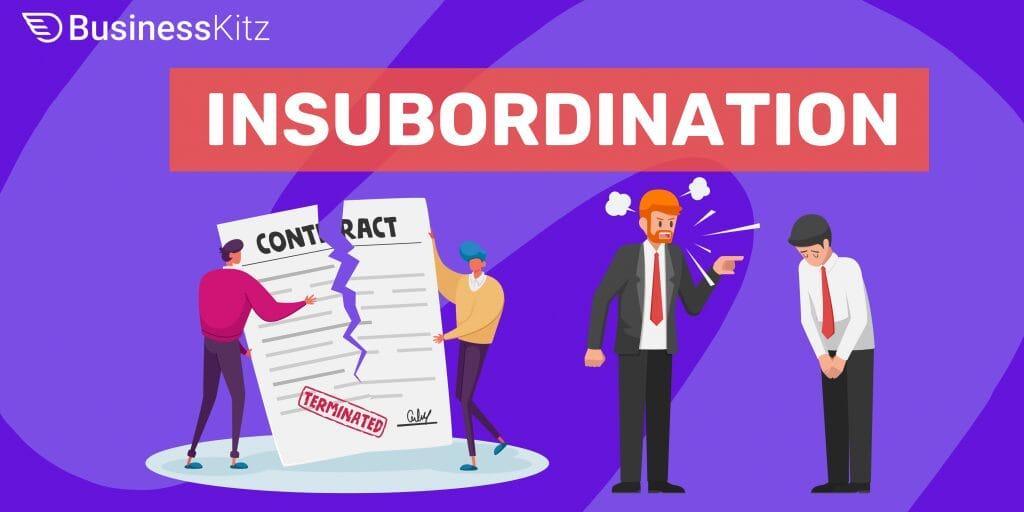
Africa-Press – Malawi. Insubordination is when a service member willfully disobeys the lawful orders of a superior officer. If a military officer disobeys the lawful orders of their civilian superiors, this also counts. For example, the head of state in many countries, is also the most superior officer of the military as the Commander in Chief. Generally, however, an officer or soldier may disobey an unlawful order to the point of mutiny.
Charges for insubordination can result in your involuntary discharge from the military, forfeiture of pay and benefits, and even time behind bars. It is important to fight back when you have been accused of insubordination. Hiring a civilian military defense attorney will increase your chances of a successful outcome.
In the military, insubordination is covered under the laws of the Uniform Code of Military Justice. It covers disobeying lawful orders as well as disrespectful language or even striking a superior. The article for insubordination should not be confused with the article for contempt. Politics
The shift from politics as antagonism (the dramatization of conflict, as governed by the struggle against the dictatorship) to politics as transaction (a democracy of agreements, with its formula of pacts and technicized negotiation) could only bring paradoxes and dissonance. As Garretón, Sosnowski, and Subercaseaux state: “In the processes of democratization, once binding ties were broken and the negative project of the dictatorship versus culture was shattered, and once creative freedom of expression was established, it appeared we were living a new paradox.
In the workplace Insubordination in the workplace refers to an employee’s intentional refusal to obey an employer’s lawful and reasonable orders. Such a refusal would undermine a supervisor’s level of respect and ability to manage and, therefore, is often a reason for disciplinary action, up to and including termination.
Insubordination at work is essentially an act of serious defiance against authority. In other words, it is where an employee deliberately acts in a disrespectful manner towards their employer or superiors, or even about the business as a whole. Dealing with employees who don’t respect you
You can deal with disrespectful employers by enforcing rules. Establish consequences for disrespectful employees if they don’t change their behavior. Set expectations for improvement and outline disciplinary actions if expectations are not met. If the employee continues to be disrespectful, follow through with those consequences.
You can also deal with a difficult employee in different ways. Be timely and deal with issues as they arise. Be open to the employee’s perspective. Keep it short, and let the employee respond. Show empathy and genuine care. Don’t sandwich negative feedback between positive reinforcement. Give positive feedback when it’s deserved.
Examples of workplace insubordination include refusing to complete a task, failing to show up for work, leaving early without notice, disrespecting authority figures, and sabotaging team or organizational activities.
Finally, There’s a difference between misconduct and insubordination. Insubordination is a specific type of misconduct that involves disobedience or refusal to follow orders from a superior. Misconduct is a broader term that refers to behavior considered inappropriate or wrong within a particular context.
For More News And Analysis About Malawi Follow Africa-Press