Africa-Press – Malawi. The Anglican Diocese of Northern Malawi has warned the government regarding its intentions to invest on Likoma Island.
The warning follows Malawi News’ exposure in the past two weeks that government is courting a casino developer to set up business on the island.
A draft Memorandum of Understanding (MoU) on the investment whose details we exposed last week outlines several terms some of which entail the relocation of the people on the island, suspension of Malawi’s laws on the island, a 99-year-long lease and long-term tax holiday for the investors.
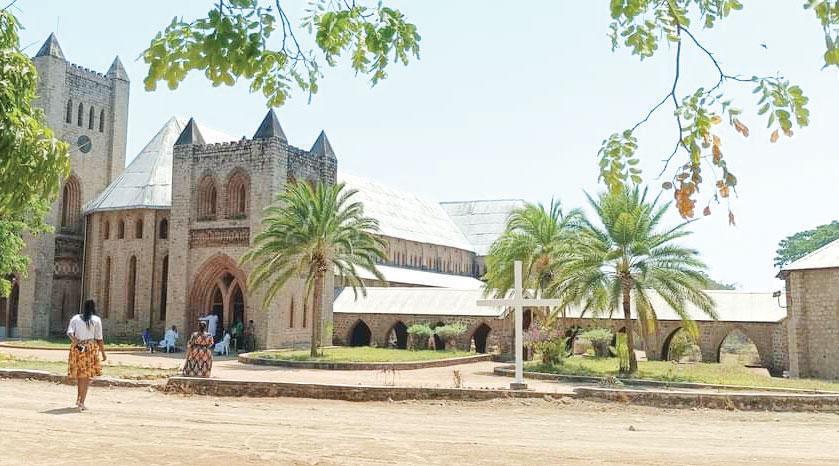
The Anglican Church has strong connection to the island which is the seat of its mega house of prayer, St Peter’s Cathedral, built in 1905.
The church is considered to be probably one of the biggest article of tourism attraction at the island due to its classical architectural artwork and sturdiness.
SOUNDED THE WARNING—MaganganiNow in a pastoral letter which the church issued Friday and signed by Bishop of the Diocese, Fanuel Magangani, the church warns against agreements, entered into by the government and others, that negatively affect the people of the island.
“These islands hold immense spiritual, cultural, and historical significance for our community.
“They are not just geographical landmarks; they are the very essence of our identity, a tapestry woven with the stories of our ancestors and the faith we practice as Anglicans and the home of our Cathedral,” reads the letter.
The church said any planned development efforts must involve the local community as partners and not just mere spectators.
“While we recognize the potential for development and the necessity of progress, we must declare emphatically that Likoma, Chizumulu and Mbamba islands are not for sale.
“These islands belong to us and the people of the islands, and any development must be community-oriented, ensuring it serves the interests, needs, and well-being of our inhabitants,” reads the letter, addressed to the clergy, members of the church and people of goodwill.
The church has also advised the government to consider collaborative efforts with investors rather than selling the island to them.
“Instead of selling our lands to outside investors, let us consider collaborative partnerships where we, alongside investors, can work together.
“This would allow us to retain ownership and have a say in how our land is developed. Our voices will shape the narrative of development on Likoma and Chizumulu Islands,” the church said.
It warns those owning pieces of land on the island and intending to sell.
“We can understand the allure of quick financial gain, but we urge each of you to consider the long-term implications for our community and our legacy,” reads the letter, titled ‘Preservation of Likoma, Chizumulu and Mbamba Islands’.
“As we navigate this important juncture in our history, let us stand united in purpose.
“Let us protect our home while embracing opportunities that uplift our people. May we find strength in our faith, in one another, and in the bonds that tie us to these sacred lands,” reads the letter.
According to the draft MoU over the investment in question, the island would be made into Special Tourism Zone.
Businesses in that zone would be exempt from all direct taxes on income or profits generated by any company, investor, or financier in the project, including profits, gains, property, withholdings, or other taxes.
Following our exposure last week, the Ministry of Tourism issued a statement insisting the island is not for sale.
In the statement aimed at “clarifying” the development, the ministry said there is no active agreement that was signed with any investor.
However, it acknowledged it was sounding out potential investors to develop the island.
“Government will continue to engage various investors expressing interest in our identified priority areas, including the Likoma Activity Centre project, ensuring at all times that any proposed investment is legally acceptable for the benefit of Malawians,” the statement read.
For More News And Analysis About Malawi Follow Africa-Press