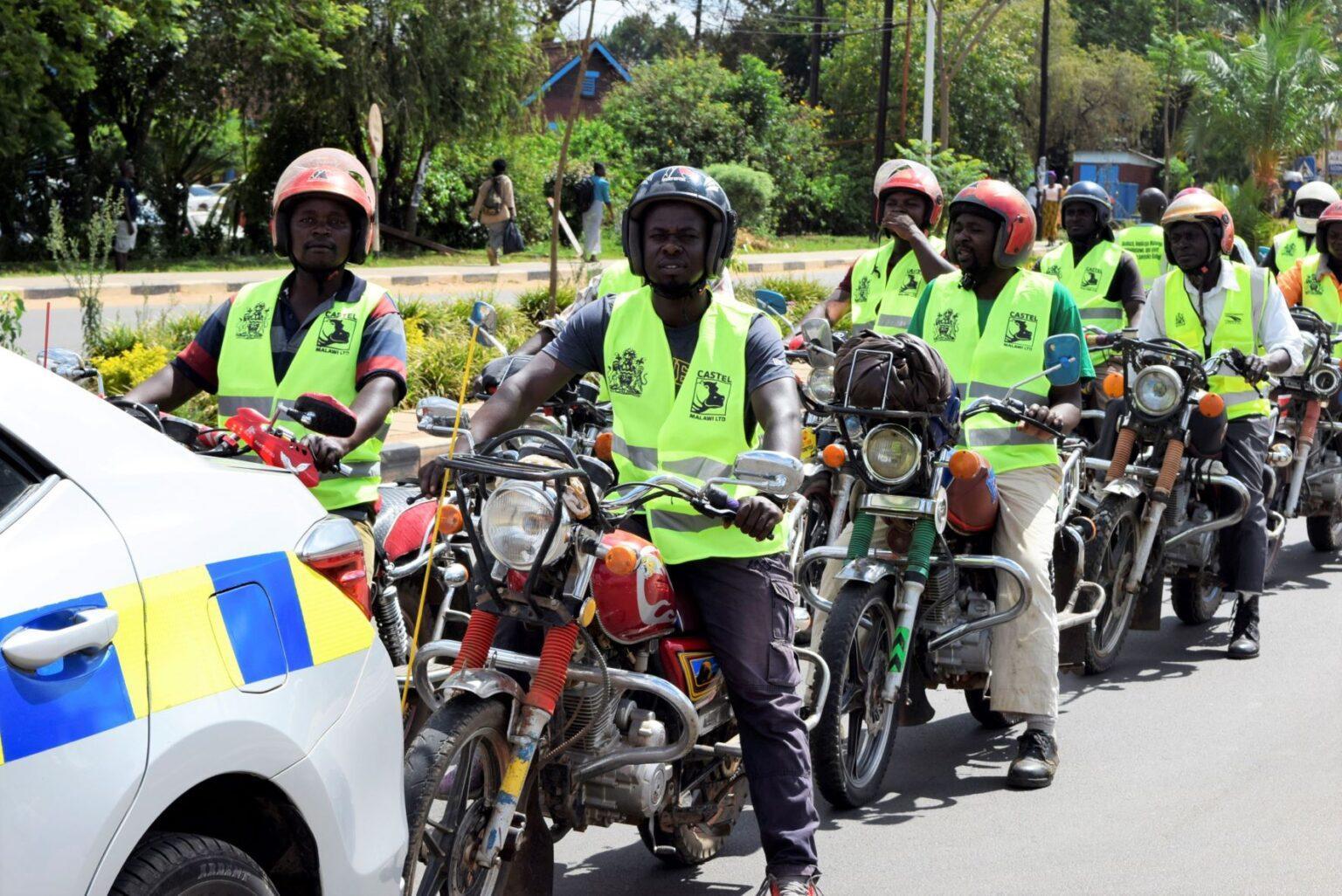
Africa-Press – Malawi. Malawi’s health system is gasping for air. It survives on donor drip-lines—47 percent of our health spending comes from donors, while government manages a mere quarter. Yet in this already fragile and under-funded system, the country continues to quietly bleed from an avoidable, man-made catastrophe: kabaza crashes.
These crashes are not just accidents. They are a national failure—and their cost is spiralling out of control. Nearly half of all adult injury admissions in our public hospitals come from road traffic crashes, and over 60 percent of these involve kabaza. The numbers have exploded dramatically. The Directorate of Road Traffic and Safety Services reports a shocking 1 700 percent rise in motorcycle-related crashes between 2014 and 2022. That is not a statistic. It is a national scandal.
Orthopaedic wards in central hospitals—meant to treat every kind of bone condition—are now mockingly referred to as “Ku Njinga Ward.” That nickname alone should shame every policymaker. It means our wards have been turned into holding bays for the casualties of a transport system running wild.
And the cost? Astronomical. Bone surgery is one of the most expensive services in the health system. Fixing a single fracture can cost hundreds of thousands to millions of kwacha—implants, theatre time, anaesthesia, drugs, and consumables. And that’s before weeks of bed occupancy, food, nursing care, and follow-ups.
Most patients have no medical insurance, so taxpayers absorb everything. Every kabaza injury siphons resources away from vaccines, maternal health, and essential medicines. In an already donor-dependent system, this is financial suicide.
But the impact is bigger than hospital budgets. Young, productive Malawians—the engine of Malawi 2063—are dying and becoming permanently disabled in avoidable crashes. Families lose breadwinners. The country loses labour, skills, and economic potential. We are destroying our future workforce faster than we can train it.
And what do authorities do? Almost nothing. Helmet laws? Barely enforced. Licensing? Weak. Police checkpoints? Riders pass through freely. Regulation of the kabaza sector? Practically non-existent.
We have normalised chaos and we are paying for it with broken bones, broken families, and a broken health budget. This is not because the problem is too big. It is because leadership has been too soft. Countries like Rwanda have proven that consistent enforcement and proper regulation slash motorcycle injuries and save millions. Malawi has simply chosen not to act.
Maybe it is time our leaders stopped holding press conferences and started witnessing the real cost. A night at Lilongwe Institute of Orthopaedics and Neurosurgery would open their eyes. Seeing grown men in traction, teenagers with amputations, and mothers sleeping on cold floors beside their injured sons might ignite the urgency that PowerPoint presentations never will. Because right now, Malawi is failing the injured—and failing itself.
Why are we pretending not to see the carnage on our roads?
Why do authorities let riders operate without helmets? Why tolerate an unregulated sector that is draining public funds and destroying families?
Every ignored law, every unchecked rider, every unregulated kabaza translates to:
another broken limb,
another overburdened ward,
another overstretched budget line,
another lost Malawian future.
Reducing motorcycle injuries is not just a health priority. It is an economic necessity. It is a development imperative.It is a test of whether Malawi is serious about achieving its goals. If we continue ignoring “Ku Njinga Ward,” we are not only abandoning the injured—we are quietly sabotaging the nation’s future.
For More News And Analysis About Malawi Follow Africa-Press