Africa-Press – Malawi. Malawi possesses significant mineral resources, yet official records show that mining contributes less than one percent to the national economy. Government data and publicly reported studies highlight concerns about unregulated mining activities and the limited capacity of authorities to fully monitor mineral extraction.
Data from the Malawi Extractive Industries Transparency Initiative (MWEITI) indicates that total revenue from the extractive sector in the 2022/2023 financial year amounted to approximately K53.8 billion, representing about 0.76 percent of the country’s gross domestic product. These figures reflect only formally recorded activities and do not include informal or unregulated operations.
Parliamentary and media reports estimate that Malawi may be losing up to K25 million per day through unregulated mineral extraction. These estimates point to a significant gap between potential mineral wealth and the revenue actually realized by the state.
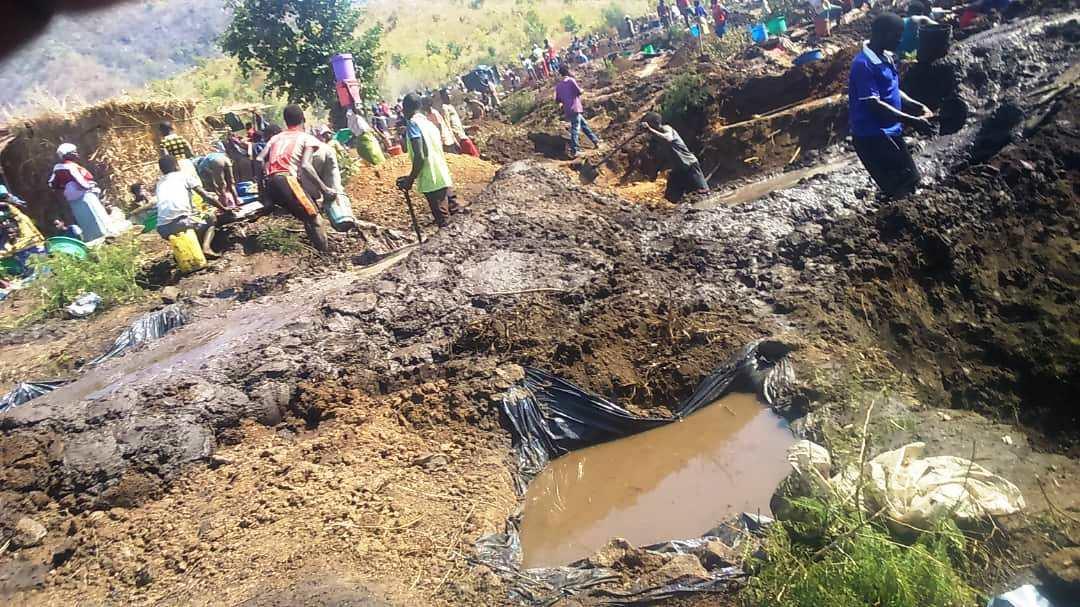
Across several districts, publicly reported evidence shows that illegal or unregulated mining continues to affect communities. For example In Kasungu, a fatal accident at a small-scale gold mining site in 2025 prompted authorities to temporarily suspend artisanal gold mining operations. In Mzimba, law enforcement actions in Chikosera under Traditional Authority Chindi targeted illegal miners, highlighting ongoing challenges in compliance and monitoring.
In Mangochi, recent NGO and investigative reports have documented illegal gold mining in the Namizimu Forest and along sections of the Unga River, raising concerns about environmental degradation, water contamination, and threats to nearby communities. In Machinga, river-based gold panning and sand extraction have been linked to increased flood risks, soil erosion, and community vulnerability.
Other districts reporting unregulated or illegal mining activities include Karonga, Balaka, Ntcheu, Kasungu , Nkhotakota, Neno, Lilongwe, Zomba, Thyolo, Chikwawa, and Nsanje. Investigations, media coverage, and civil society monitoring visits show that environmental and social impacts are widespread, though not always consistently recorded or quantified.
The Government of Malawi introduced a ban on the export of raw minerals in 2025 to promote local value addition and strengthen compliance in the sector. Official statements suggest that this measure could increase national revenue by up to US$500 million annually if effectively implemented. However, publicly accessible compliance data indicates that not all mining license holders consistently report production and revenue, highlighting ongoing governance and oversight challenges.
Historical and academic studies support these observations. Research in Mzimba and Karonga districts shows that artisanal mining provides income but often exposes communities to environmental degradation, weak oversight, and social risks. Analyses of small-scale gold mining across Malawi highlight persistent gaps in monitoring, safety, and reporting problems that continue to the present day.
Malawi’s mineral wealth has the potential to drive national development, but unregulated mining continues to limit economic gains and threatens communities and the environment. Strengthening oversight, ensuring compliance, and enforcing regulations are crucial to turning the country’s resources into sustainable benefits for all Malawians.
For More News And Analysis About Malawi Follow Africa-Press