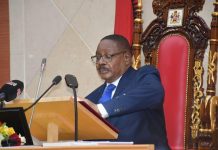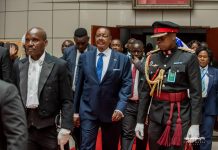
Africa-Press – Malawi. The State of the Nation Address (SONA) delivered by the State President of Malawi, Arthur Peter Mutharika, was overall well presented, clear, and giving hope.
It showed that the President and his government has a vision for Malawi economic recovery and national development. The speech was well articulated and touched on many key sectors that matters to Malawians.
At the same time, there were some important issues that needed attention in view of the expectations of Malawians. Still, overall, it gave Malawians a sense of where the country is going and what his government’s priorities are.
One strong area in the SONA was the focus on the economy. The President openly recognized that the country is facing a serious economic crisis and did not try to hide the hardships Malawians are going through.
This honesty is important for public trust. The message on austerity measures such as reducing unnecessary spending, controlling travel, and improving public sector management shows seriousness about using public resources carefully. Malawians want to see leaders living within means, and this message responds to that expectation.
The attention given to agriculture and food security is also commendable. Agriculture is the backbone of Malawi’s economy and the main source of livelihood for Malawians. The efforts to make fertilizer available, support farmers, and respond to hunger show that his government understands the realities on the ground.
If these programmes are managed fairly and efficiently, they could help stabilize food supply and reduce prices. Disaster response and climate change measures were also positive, especially given how floods and droughts continue to affect many communities.
The President’s strong words on corruption were another highlight. His statement that no one will be shielded, including cabinet ministers and senior officials, is exactly what Malawians want to hear. Corruption has hurt public services and slowed development for many years. A firm stance, if followed by real action, could restore total public confidence for his government. The same applies to his commitment to good governance and rule of law.
These are not just political words, they are key foundations for economic growth, investor confidence, and social justice.
The focus on women and youth empowerment is welcome. Soft loans for women and the youth, skills development, and support for community colleges could help create opportunities and reduce unemployment. If well implemented, these measures could empower Malawians and strengthen local economies.
The mining sector reforms are also good news. Suspending licenses and conducting audits will help the country reset and manage mineral resources better. Mining, if transparent and well governed, will add greatly add value to our struggling economy.
Health sector commitments were another positive aspect of the SONA. The introduction of dialysis services at Mzuzu Central Hospital, the increased health budget, improved drug availability, and support from partners like the United States Government show progress in strengthening healthcare.
However, more investment is urgently needed to address the growing burden of non-communicable diseases (NCDs), particularly cancer, diabetes, hypertension, and cardiovascular illnesses. To combat rising non-communicable diseases, Malawi must invest in prevention, treatment, and affordable care to save more lives and improve health.
However, one area that needed more emphasis is taxation. Many Malawians are feeling the weight of high taxes and rising costs of living. While austerity and revenue collection are necessary, Malawians need reassurance that taxes are not meant to make their lives more difficult. A clearer message on how tax burdens will be balanced with social protection would have been helpful.
Malawians will want to know that economic recovery will not come at the cost of their basic welfare.
Another missing element was a strong message on national unity, inclusion, and peace. National development works best in a stable and united environment. In a diverse country, leaders must constantly encourage unity across regions, parties, and social groups.
A strong message on unity and national healing just after the much contested tense elections could have more strengthened the SONA. For unity and peace are necessary for our economic prosperity.
In fairness with not politics, The SONA was powerful and promise filled. It outlined many good plans, more promises and showed awareness of the country’s challenges. What matters now is action and implementation.
Malawians will be watching to see real results in their daily lives, lower further prices, better services, and more economic opportunities. The address has set the tone, the next step is delivery. If the commitments are fulfilled, this SONA could mark the beginning of meaningful progress for our country under Democratic Progressives Party government.
About the Author
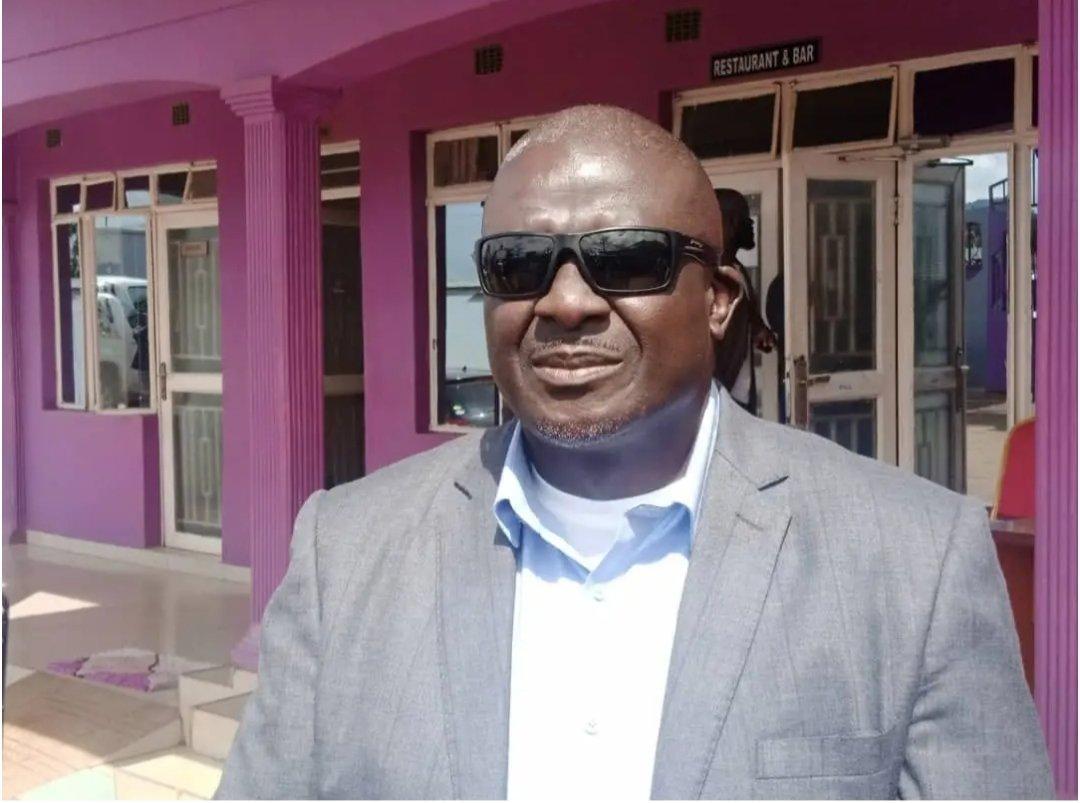
Undule Mwakasungula is a governance, public policy, and human rights advocate. He plays an active role in advancing democracy, human rights, social justice, and citizen engagement in Malawi and the Southern African region.
For More News And Analysis About Malawi Follow Africa-Press