
By Wezzie Gausi
Minister of Finance, Economic Planning and Development Joseph Mwamvekha Friday highlighted several allocations to the agriculture sector, to the excitement of relevant experts.
In her immediate comment to the budget statement which Mwanamvekha presented, National Smallholder Farmers’ Association of Malawi (Nasfam) Chief Executive Officer Betty Chinyamunyamu said the budget reflects some of the concerns the sector raised during consultations.
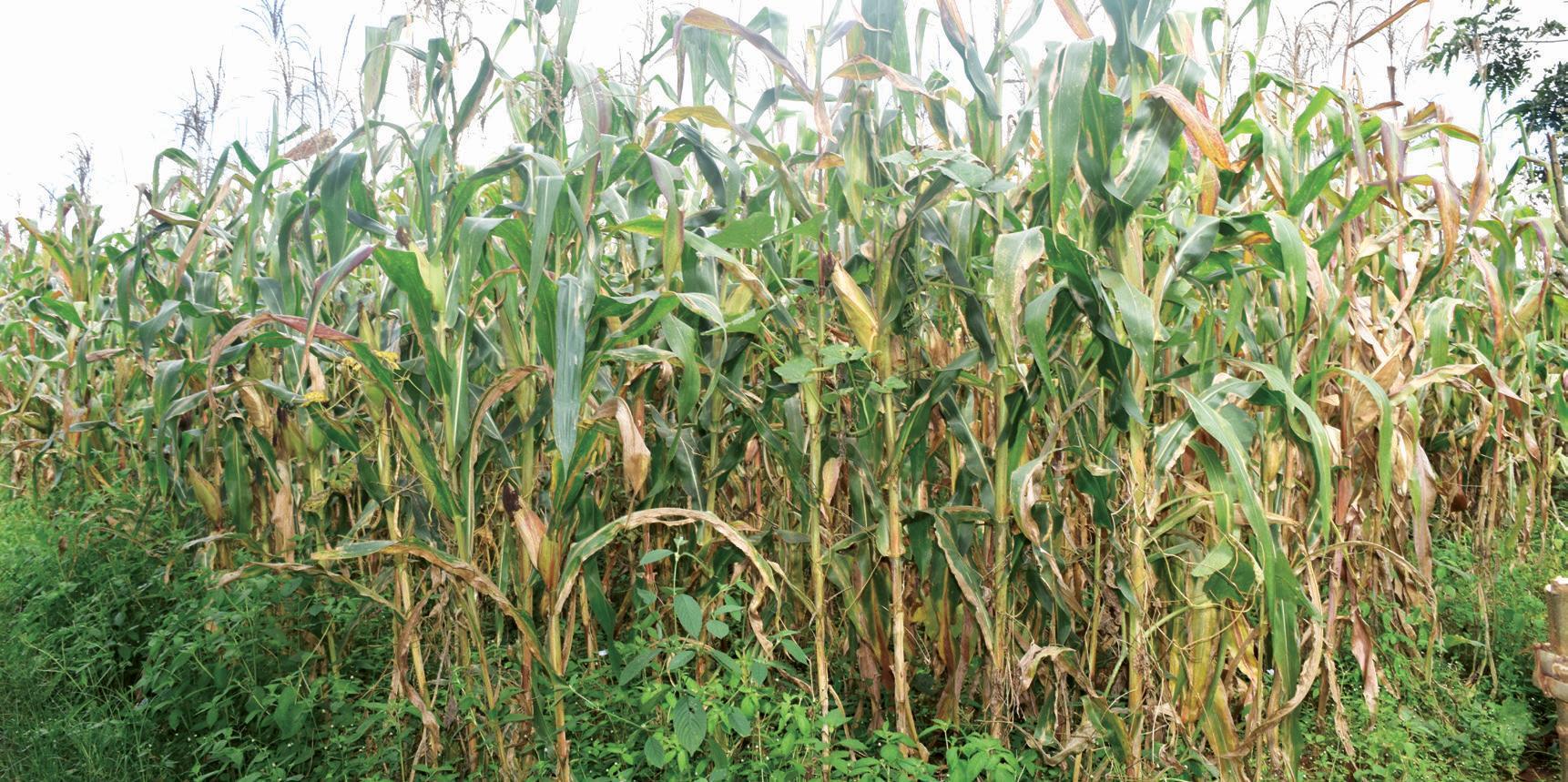
But she said more emphasis is needed on diversification for the export market and support for medium-scale farmers, instead of what seems to be too much focus on maize production.
In the statement, government has allocated K931.1 billion to the agriculture sector.
– Advertisement –
Of this amount, K111.45 billion has been earmarked for the Farm Input Subsidy Programme (Fisp).
Chinyamunyamu described the budget as generally responsive.
“It is a good budget statement overall. We are pleased that the minister acknowledged contributions from stakeholders.
“Some of the issues we raised during consultations have been reflected in the budget,” she said.
– Advertisement –
– Advertisement –
She also said she was encouraged by the shift towards development-oriented expenditure, noting that sustained growth depends on investment in productive sectors.
“We have noted the allocation of more resources towards development financing. Growth will not come if the bulk of resources goes to consumption instead of development. That shift is important,” she said.
The agriculture vote includes K60 billion for maize purchases to replenish the Strategic Grain Reserves, K60 billion for Admarc to procure commercial maize and other crops, and K40 billion for the National Irrigation Development Programme.
CHINYAMUNYAMU—The budget has taken in stakeholder submissionsGovernment has also allocated K14 billion to mega farm initiatives, including aquaculture mega farms.
Chinyamunyamu commended continued support to Fisp and the mega farm initiative, describing them as central to food production and national food security.
“It is positive that government continues to support both smallholder farmers and large-scale producers. That will contribute significantly to maize production and national food security,” she said.
However, she observed that most allocations appear concentrated on maize and food crops, with limited visibility of targeted support for export-oriented cash crops.
“We have observed that most allocations focus on maize and food production. There is limited visibility of support towards other cash crops that generate foreign exchange. Diversification is critical, especially as we face the effects of climate change,” she said.
The budget also provides K11.3 billion for locally produced maize seed and K26.7 billion for contract farming activities.
Chinyamunyamu further expressed concern over what she described as limited direct focus on medium-scale farmers, who often struggle to access affordable fertiliser and financing.
“As an economy, we have many medium-scale farmers who are productive and contribute significantly.
“Yet they face challenges in accessing fertiliser, which remains costly, and tailored financing. There is merit in deliberately supporting this category,” she said.
She said Nasfam would continue reviewing the detailed budget documents to assess how far the allocations can drive agricultural transformation, boost export growth and build resilience in the face of climate change.
Leonard Chimwaza, a commentator on agriculture, said the special allocation towards livestock health and development, fisheries and the promotion of mechanisation is commendable.
He said the value chain development approach would help promote food, economic and nutritional security.
“On the Farm Input Subsidy Programme, it has not yielded good results due to droughts, late delivery of inputs and malpractices in the identification of the beneficiaries.
“If implemented in good time and with proper targeting, the programme can bring the desired results,” he said.