Africa-Press – Malawi. The Malawi Government has identified men as a major obstacle in the fight against Tuberculosis (TB) and leprosy, citing low health-seeking behaviour as a key factor slowing progress in controlling the diseases.
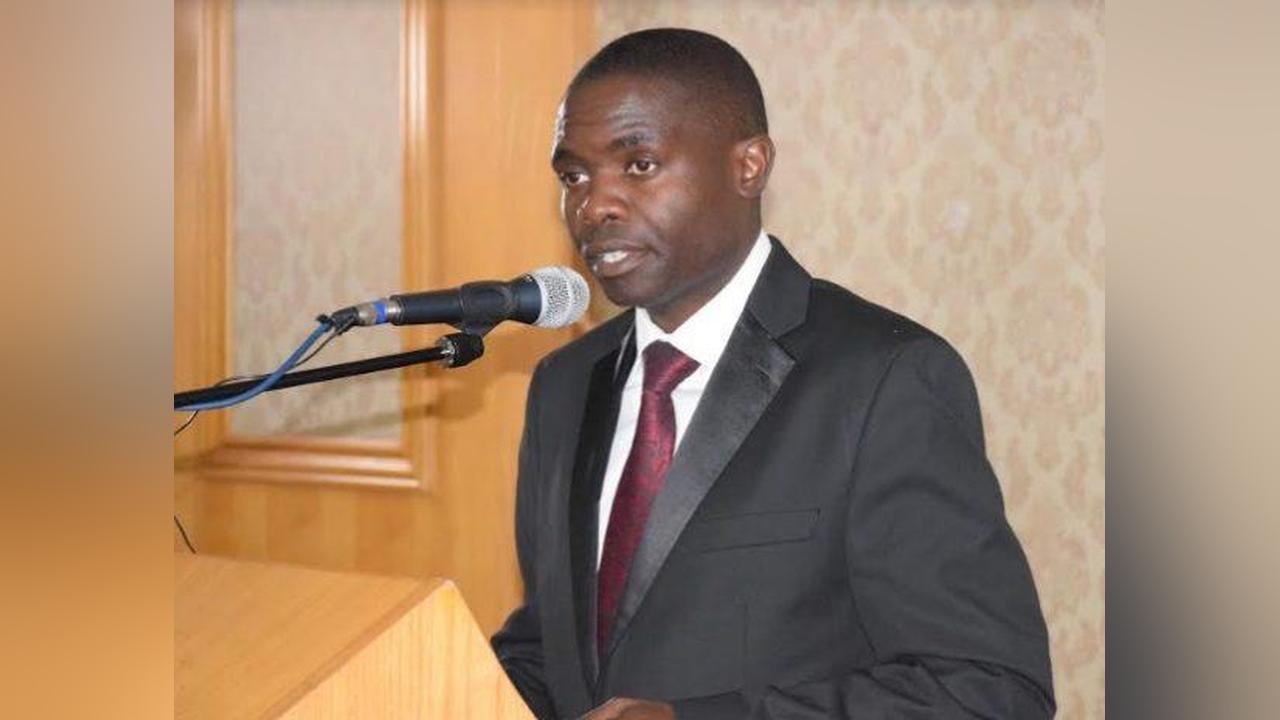
Secretary for Health and Sanitation, Dan Namarika, made the remarks on Tuesday during the commemoration of World TB Day and Leprosy Day held in Mitundu, Lilongwe. The event was held under the theme “Unite to End TB: Leprosy is Curable.”
Namarika acknowledged that while Malawi has made significant progress in reducing TB cases, challenges remain—particularly among men, who are less likely to seek medical attention for diagnosis and treatment.
“The major challenge for men is behaviour and their way of living, as most of them do not seek medical attention. They are busy with their work and business in various areas,” he said.
He added that lifestyle factors such as smoking, excessive alcohol consumption, and exposure to dust—especially in high-risk sectors like mining—are contributing to higher infection rates among men.
According to Namarika, the situation is further complicated by the fact that infected men often transmit the disease to their families.
“Unfortunately, it is men who contract these diseases and bring them home, where women and children are infected. However, women tend to seek medical care early,” he explained.
Despite these challenges, Malawi has recorded notable progress over the years. TB cases have declined from about 28,000 in 2008 to around 18,000 in 2025. Similarly, TB/HIV co-infection rates have dropped from 77 percent to 43 percent, while the TB treatment success rate currently stands at 90 percent.
Eliya Msiyaphazi Zulu, Country Representative for the Africa Institute for Development Policy (AFIDEP), said his organisation is implementing a research initiative aimed at accelerating the end of TB by 2030 across four countries—Uganda, Kenya, Nigeria, and Malawi.
“The research evidence shows that men are more likely to be infected, less likely to be diagnosed, and less likely to complete treatment when they are infected,” said Zulu.
He noted that the programme is focusing on men as a vulnerable group, with the goal of developing targeted interventions to improve diagnosis, treatment uptake, and completion rates.
Meanwhile, Charles Kuria Njuguna, Country Representative for the World Health Organization, commended Malawi for the progress made in the fight against TB.
“These are milestones that reflect strong leadership, sustained commitment, and effective collaboration across all levels,” he said.
Njuguna emphasized that TB remains a global public health concern, affecting all countries and age groups, but stressed that the disease is both preventable and curable.
Health authorities are now calling for a shift in attitudes—especially among men—as Malawi pushes toward eliminating TB and leprosy as public health threats.
For More News And Analysis About Malawi Follow Africa-Press