By nyasatimes
Africa-Press – Malawi. A tighter, more revealing account of the controversial K128.7 billion acquisition of Amaryllis Hotel places the office of Attorney General Frank Mbeta squarely within the chain of events that shaped the outcome, exposing a level of involvement that goes beyond his repeated public denials of authorising or endorsing the transaction.
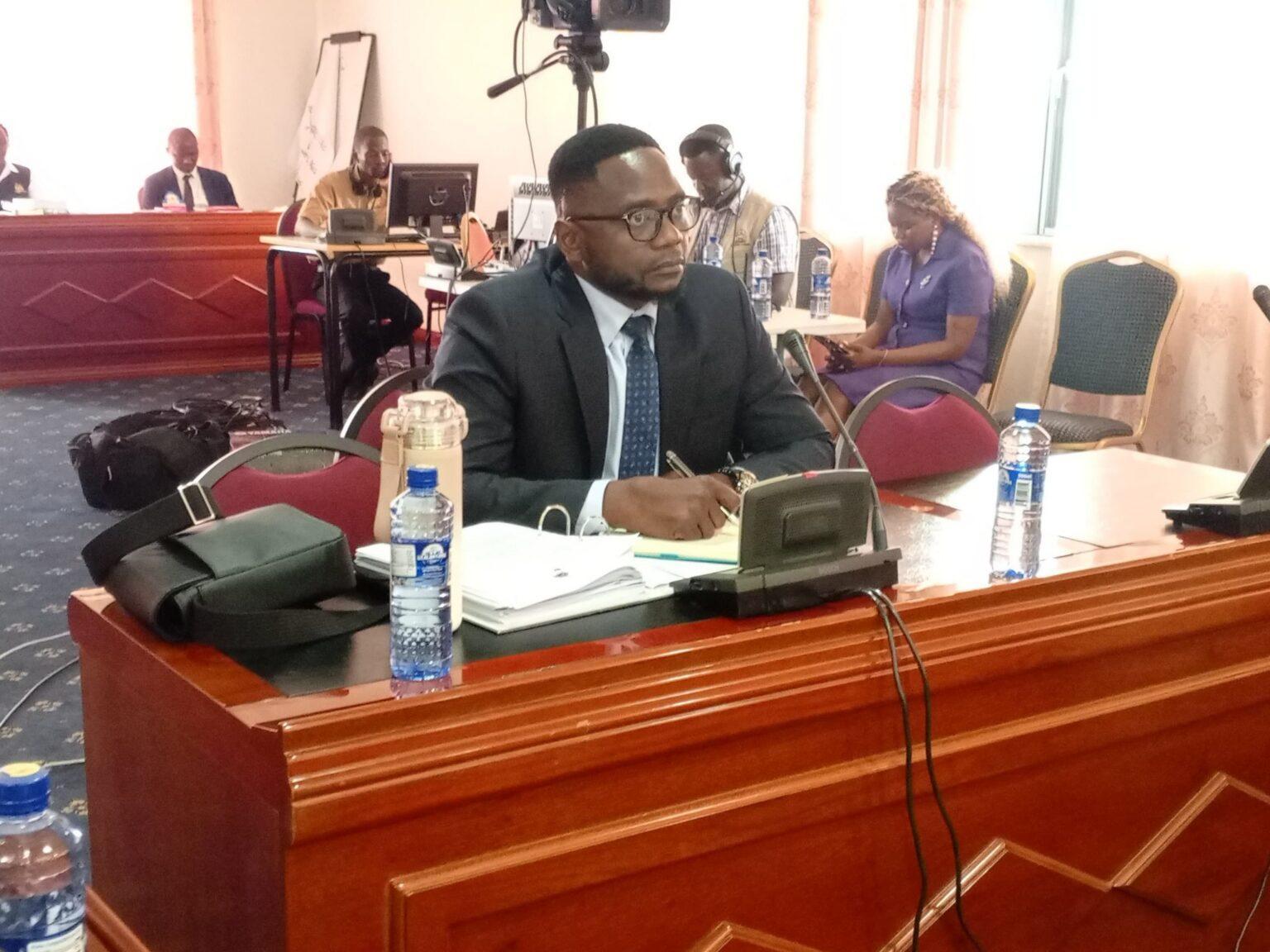
Appearing before Parliament’s Public Accounts Committee, Mbeta firmly rejected claims that his office gave a green light to the deal, insisting his role was strictly confined to legal guidance, yet his own testimony establishes that his office entered the process at a decisive moment in November 2025 following a formal complaint by the Malawi Law Society, triggering a chain of actions that would significantly influence the trajectory of the transaction.
Upon receiving the complaint, Mbeta advised the Anti-Corruption Bureau to issue a prohibition notice to halt the deal pending investigations, a move that not only disrupted the transaction but demonstrated the practical authority his office could exert over a process he now characterises as entirely outside his mandate, raising critical questions about how far that influence extended beyond procedural legality into the realm of decision-shaping.
At the centre of his defence is a letter dated December 20, 2025, in which he offered what he describes as conditional advice, urging the Public Service Pension Trust Fund board to rigorously assess risks and ensure compliance with prudential and regulatory standards before proceeding, a position he maintains did not amount to approval, yet in the context of a high-value public investment, such advice from the State’s chief legal officer carries substantial weight and inevitably frames the parameters within which decisions are made.
Mbeta has argued that ultimate authority rested solely with the Fund’s board of trustees, which he says operates with absolute discretion under its trust deed, but this assertion sits uneasily against the reality that legal opinions issued at critical junctures—particularly after regulatory red flags—often function less as neutral guidance and more as decisive signals that shape boardroom outcomes.
Reports from the Reserve Bank of Malawi and the Anti-Corruption Bureau found no evidence of corruption, yet both pointed to serious prudential concerns surrounding financial soundness and risk exposure, and it is on these findings that Mbeta anchors his position, stating that his office merely reminded the board of its fiduciary obligations, while maintaining that commercial considerations fall outside his remit.
However, the absence of corruption findings does little to settle the broader governance questions, particularly where significant financial risks were identified and the Attorney General’s office simultaneously intervened, advised caution, and influenced the conditions under which the deal could proceed.
Compounding the controversy, Mbeta dismissed claims that the board had previously resolved to abandon the transaction, stating there was no such resolution in January 2024 and no minutes to support that narrative, effectively dismantling suggestions that the deal had been formally rejected before being revived, and instead portraying a fluid process in which key decisions remained open and susceptible to external legal and regulatory pressures.
Mbeta has drawn a strict legal boundary, arguing that any suggestion of authorisation would amount to an unconstitutional overreach into the powers of independent boards, yet the Amaryllis transaction illustrates how that boundary blurs in practice, as the authority to halt proceedings, issue legal direction, and frame compliance requirements places the Attorney General’s office in a position of undeniable influence, even without explicit approval.
In the final analysis, while Mbeta may not have signed off on the acquisition, his office intervened at a critical stage, halted the process, issued consequential advice anchored in regulatory findings, and helped define the conditions under which the board could proceed, embedding itself deeply within the architecture of a deal that continues to provoke scrutiny, not for what was formally authorised, but for how power, legality, and financial judgment intersected in the shadows of a multi-billion kwacha transaction.
Source: Malawi Nyasa Times
For More News And Analysis About Malawi Follow Africa-Press