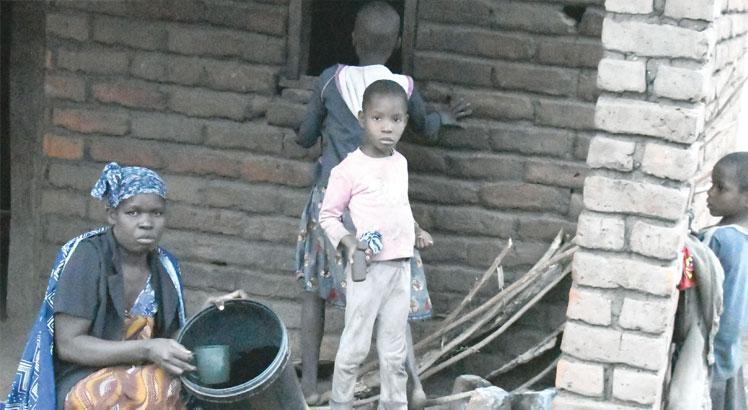
Africa-Press – Malawi. There is anger in the air. Not quiet frustration, but a raw, rising fury spreading across Malawi following the over 30 percent fuel price hike—an increase that has hit already struggling households like a hammer blow.
For many Malawians, this is not just another economic adjustment. It is a breaking point.
Across towns and trading centres—from Lilongwe to Blantyre, from Mzuzu to the rural heartlands—people are grappling with a harsh new reality: the cost of living, already unbearable, has now tipped into crisis. Social media platforms have become a running ledger of pain, filled with stories of doubled transport fares, shrinking meals, and families forced to make impossible choices between food, rent, and survival.
The truth is simple and brutal. Fuel is not just a commodity—it is the bloodstream of the economy. When its price surges by over 30 percent, everything else follows. Transport costs spike. Food prices climb. Production becomes more expensive. And it is the poorest—those already hanging by a thread—who absorb the heaviest blow.
Experts are not mincing words. They warn that this hike will deepen poverty and choke already fragile economic activity. Key sectors are bracing for impact. In transport, fares have already doubled in some areas, turning the daily commute into a luxury many can no longer afford. Workers are now spending a disproportionate share of their income just to get to their jobs—if they can still keep them.
In agriculture, the backbone of Malawi’s economy, the situation is equally grim. Farmers are facing soaring costs for diesel-powered equipment and transport, driving up the cost of production at a time when many were already struggling to afford basic farm inputs. The result is predictable: higher food prices and worsening food insecurity.
Small and medium enterprises, the lifeblood of local economies, are being squeezed from all sides. Rising operational costs are eroding already thin margins, threatening closures, job losses, and a slowdown in economic growth. This is not theory—it is happening in real time.
And then comes the most painful consequence: food. As transport and production costs rise, the price of basic goods inevitably follows. For a country where nearly a third of the population already faces serious hunger, this is nothing short of devastating.
Economic scholar Dr Ben Dzolowere has described the fuel increment as unrealistic, warning that it risks pushing ordinary Malawians further into hardship. He has called for urgent intervention through targeted social protection measures, including transport subsidies and cash transfers, to cushion vulnerable households. His warning is clear—Malawians are already weakened by the lingering effects of the Covid-19 economic downturn, and this latest shock may be one too many.
The broader economic picture only reinforces the severity of the crisis. According to the World Bank Malawi Economic Monitor, the average cost of living stands at around $543 per month for a single person. Yet the average monthly salary after tax is just $253—barely enough to survive half the month. This is not just a gap; it is a structural collapse of living standards.
The numbers grow even more alarming. Malawi’s poverty rate stands at 75.4 percent, with the international poverty line set at $3 per person per day. GDP per capita is just $602.3, far below the $1,146 threshold for lower middle-income economies. These are not abstract statistics—they are a reflection of real lives under strain.
Against this backdrop, government explanations have done little to calm the storm. Authorities attribute the fuel hike to global oil supply disruptions and domestic pressures, particularly the persistent shortage of foreign exchange. They point to proposed mitigation measures—transport subsidies, social protection programs, tighter fiscal discipline.
Minister of Finance Joseph Mwanamvekha insists the government is working to stabilise the economy through stricter public expenditure controls, debt restructuring efforts with multilateral lenders, and enhanced revenue collection strategies.
But for ordinary Malawians, these promises feel distant—almost detached from the daily struggle to survive. There is a widening gap between policy language and lived reality.
What is unfolding is not just an economic adjustment. It is a human crisis.
And unless urgent, practical, and visible relief measures are implemented, the current wave of anger may harden into something far more dangerous—a deep, enduring loss of trust in the system itself.
For More News And Analysis About Malawi Follow Africa-Press