Africa-Press – Malawi. Residents of Kasasile, Kamanda, Bunji and Bula in Traditional Authority M’bwana, Nkhata Bay, say they are cautiously optimistic that government intervention could finally bring an end to a protracted land dispute that has left hundreds displaced since 2024.
The communities were forcibly evicted by the Malawi Defence Force (MDF), an operation that resulted in the loss of homes, food supplies and personal property. Many of the affected families have since been living in dire conditions, some sheltering at a CCAP church building while others survive in temporary tents.
Now, following a change of government in September last year, there are growing signs—according to the residents—that authorities are taking a more deliberate approach to resolving the crisis.
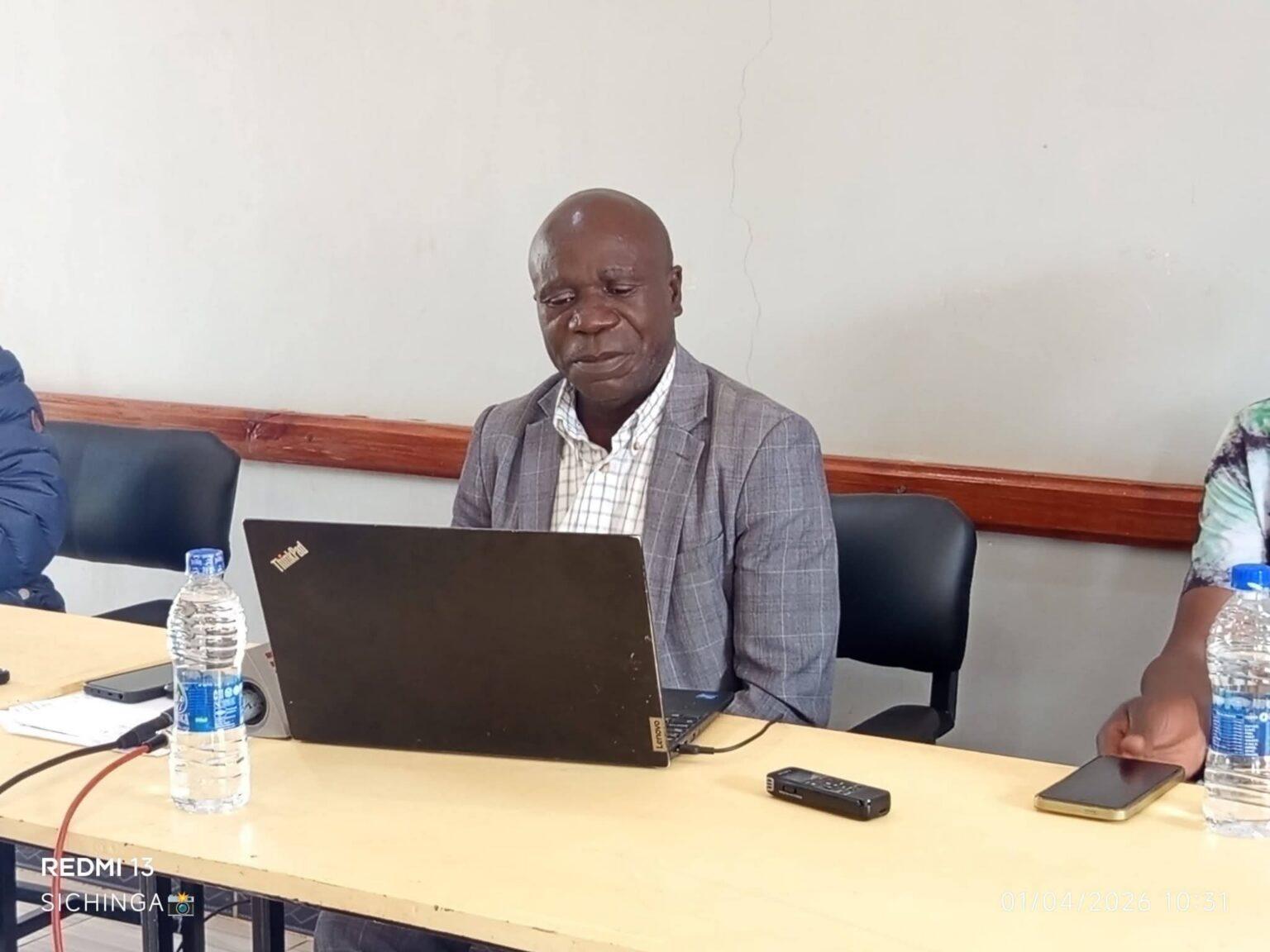
Speaking during a press briefing in Mzuzu, leader of the displaced Kasasile-Bunji villagers, Albert Mtungambera Harawa, acknowledged what he described as “positive steps” taken so far, while underscoring the urgent need for a lasting solution.
“We appreciate the steps the current government has taken to address the many problems caused by the violence that was unleashed on innocent Malawians in Nkhata Bay,” said Harawa.
He pointed to a recent visit by Minister of Lands, Jappie Mhango, who engaged directly with the affected communities and inspected the disputed boundary along the Fulumita Lukanga stream. According to Harawa, the government has since deployed physical planners, surveyors and land experts to remap the Kasasile-Bula area, with the aim of clearly identifying villages affected by the controversial 2018 MDF boundary demarcation.
The land dispute, which escalated under the previous administration, drew widespread condemnation from civil society and religious leaders. Prominent voices, including Bishop Martin Mtumbuka, Bishop John Ryan and Bishop Suzgo Nyirenda, alongside CCAP clergy, played a critical role in highlighting the plight of the displaced.
Organizations such as the Catholic Commission for Justice and Peace (CCJP), Church and Society of the Livingstonia Synod, Youth and Society (YAS), and Malawi First also provided sustained support to affected families—many of whom have relied on aid for survival.
Harawa stressed that the current situation is not only unsustainable for the victims, but also costly for government.
“Right now, government is spending significant resources to feed people who were previously self-reliant. If we are allowed to return to our land and produce our own food, this burden would not exist,” he said.
He further commended what he described as a coordinated government response involving the President, Cabinet ministers, Principal Secretaries and the Nkhata Bay District Council.
Meanwhile, Principal Secretary in the Ministry of Lands and Housing, Amani Mussa, confirmed that government is actively reviewing data collected from the area and will soon outline possible solutions.
“We have started analysing the data gathered by surveyors at Kasasile. We will develop options that can guide us towards resolving this matter in a win-win manner,” said Mussa.
While hope is beginning to return among the displaced communities, the situation remains fragile. For many, the true test will not be promises or site visits—but whether government delivers a concrete, fair and lasting resolution to a crisis that has already cost them their homes, dignity and stability.
For More News And Analysis About Malawi Follow Africa-Press