
What You Need to Know
World Water Day 2026, celebrated on March 22, focuses on the critical link between water management and gender equality. The seminar in Mauritius highlighted women’s responsibilities in water scarcity and the need for their inclusion in decision-making processes. Key figures emphasized the importance of equitable water access for social balance and resilience against climate change.
Africa-Press – Mauritius. Women bear the heaviest burden in situations of water scarcity as they are primarily responsible for managing daily household needs, including hygiene, cooking and childcare. This reality not only intensifies their workload but also highlights persistent gender inequalities.
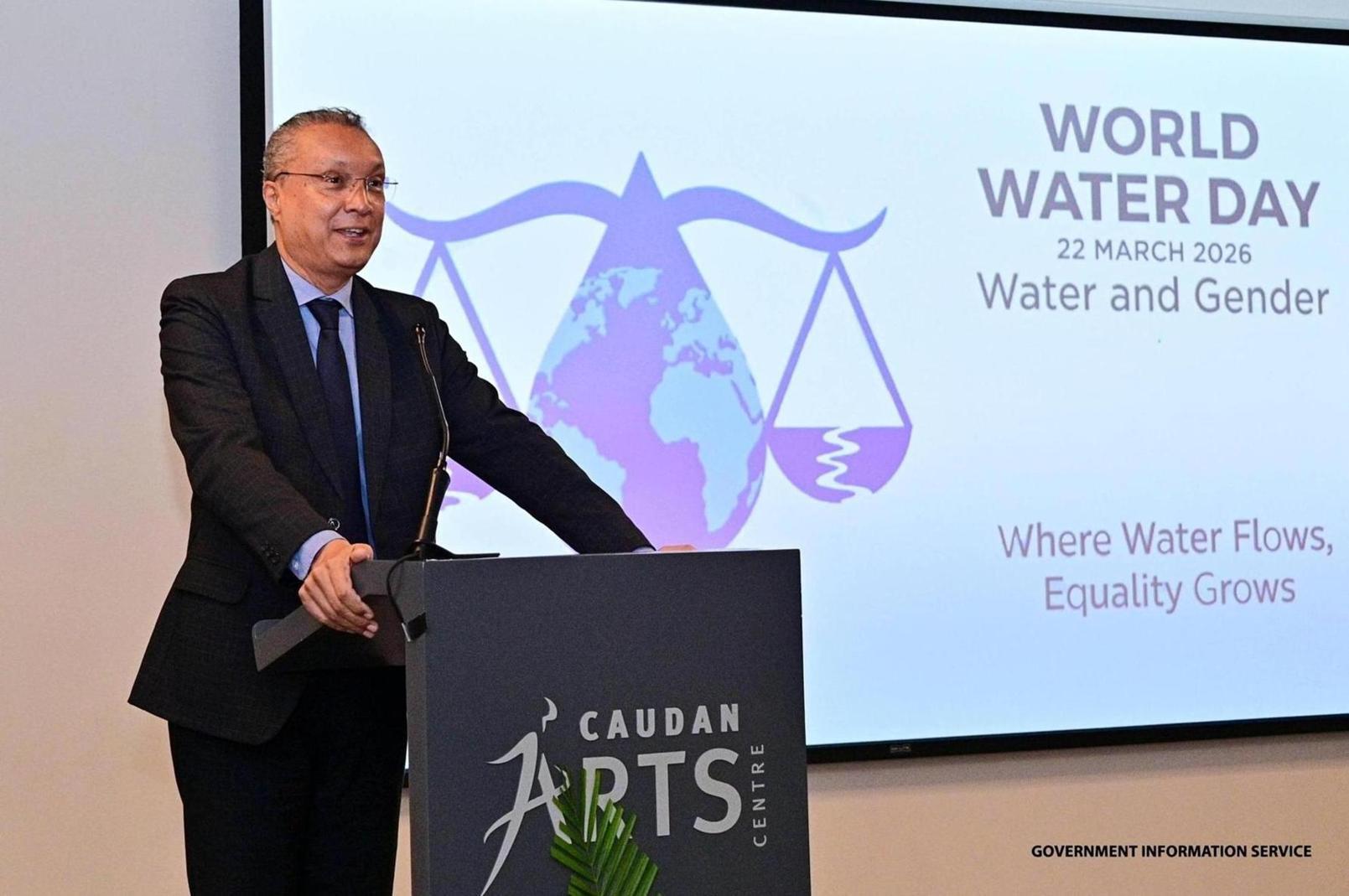
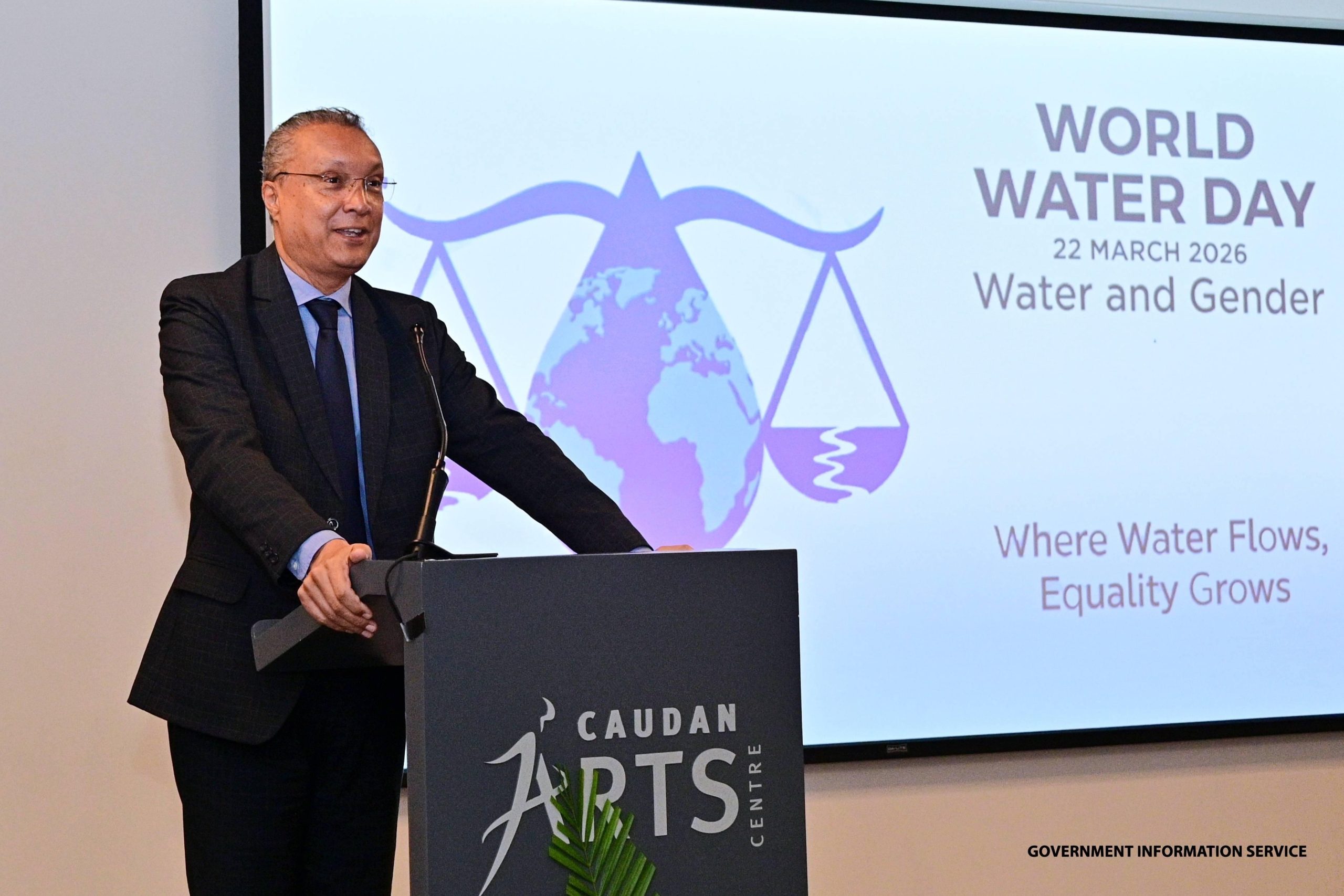
The Minister of Energy and Public Utilities, Mr Patrick Gervais Assirvaden, made these remarks, this morning, at a national seminar held at the Caudan Arts Centre in Port Louis, in the context of World Water Day 2026, observed annually on 22 March.
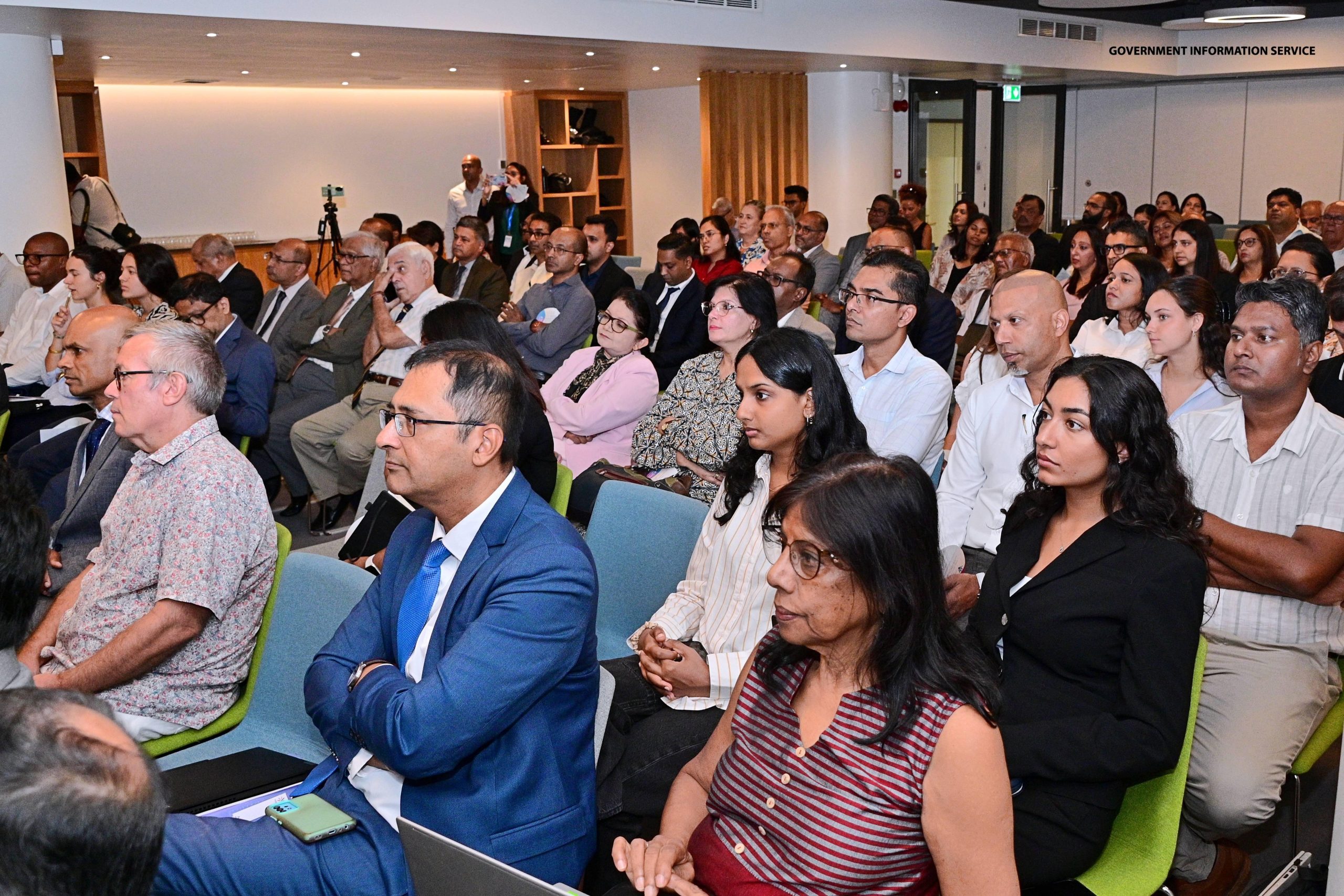
Organised by the Central Water Authority in collaboration with the Ministry of Energy and Public Utilities and the Agence Française de Développement (AFD), the seminar was held under the theme “Water and Gender: Where Water Flows, Equality Grows.” It aimed to highlight the links between water management and gender-related issues while fostering dialogue among stakeholders.
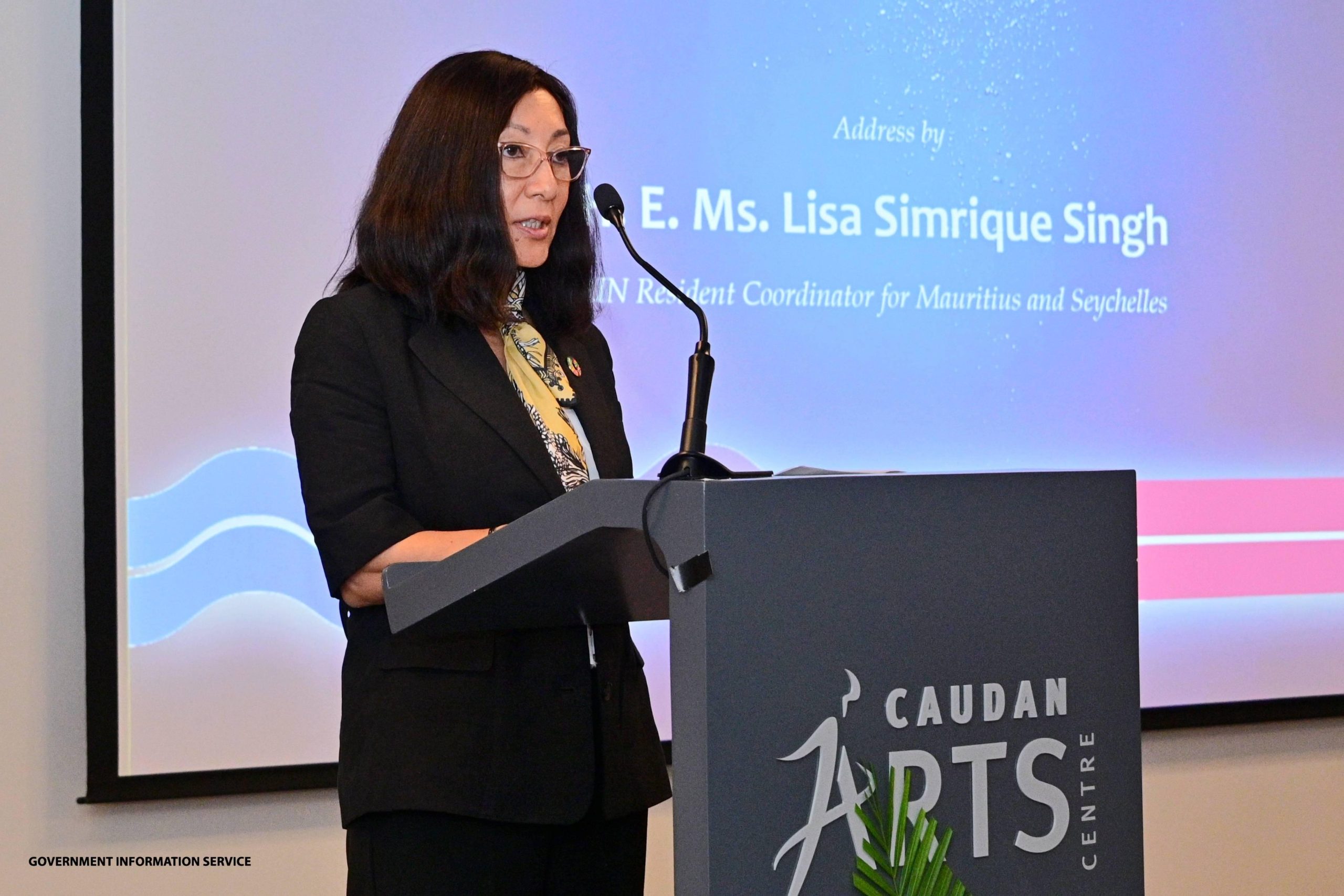
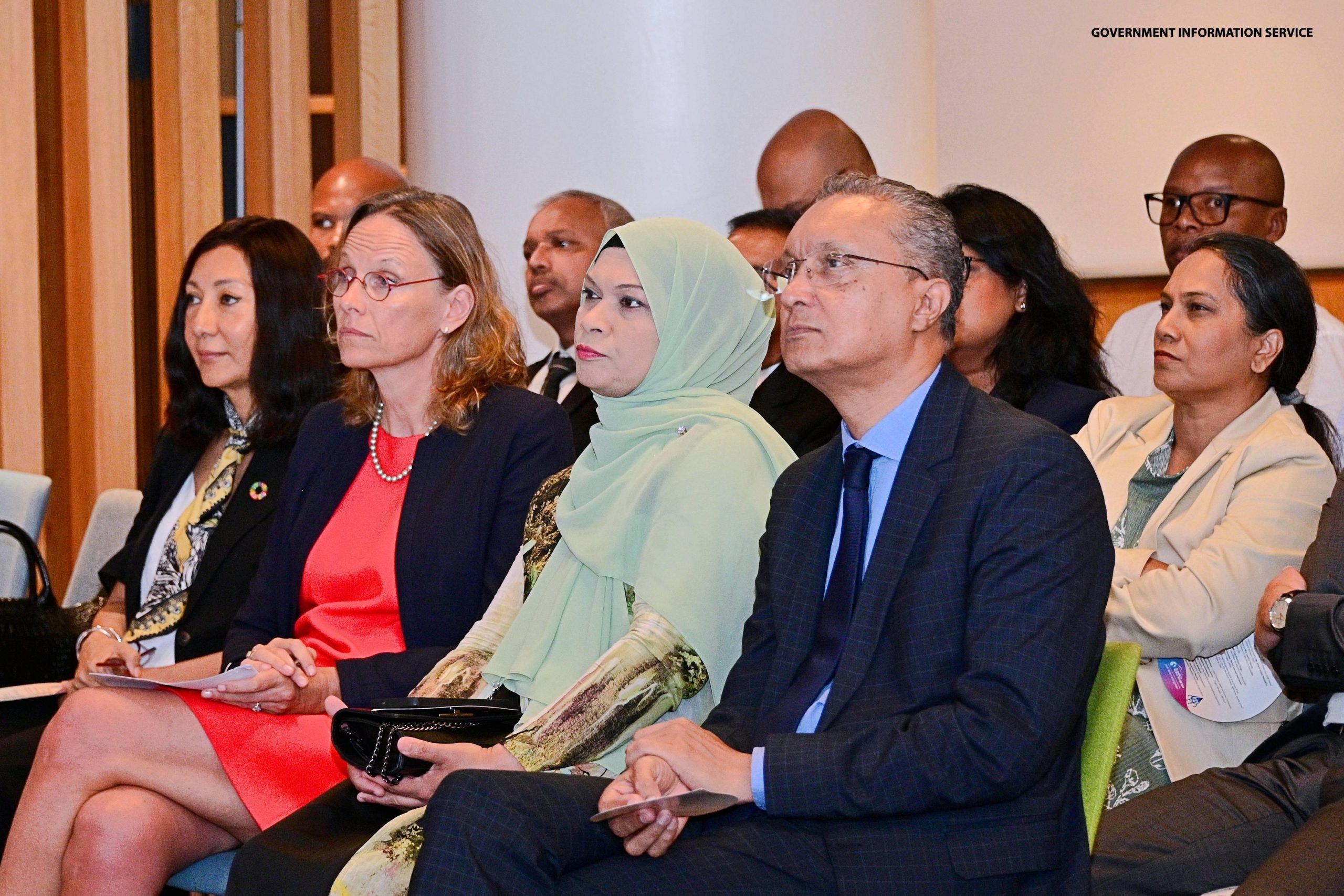
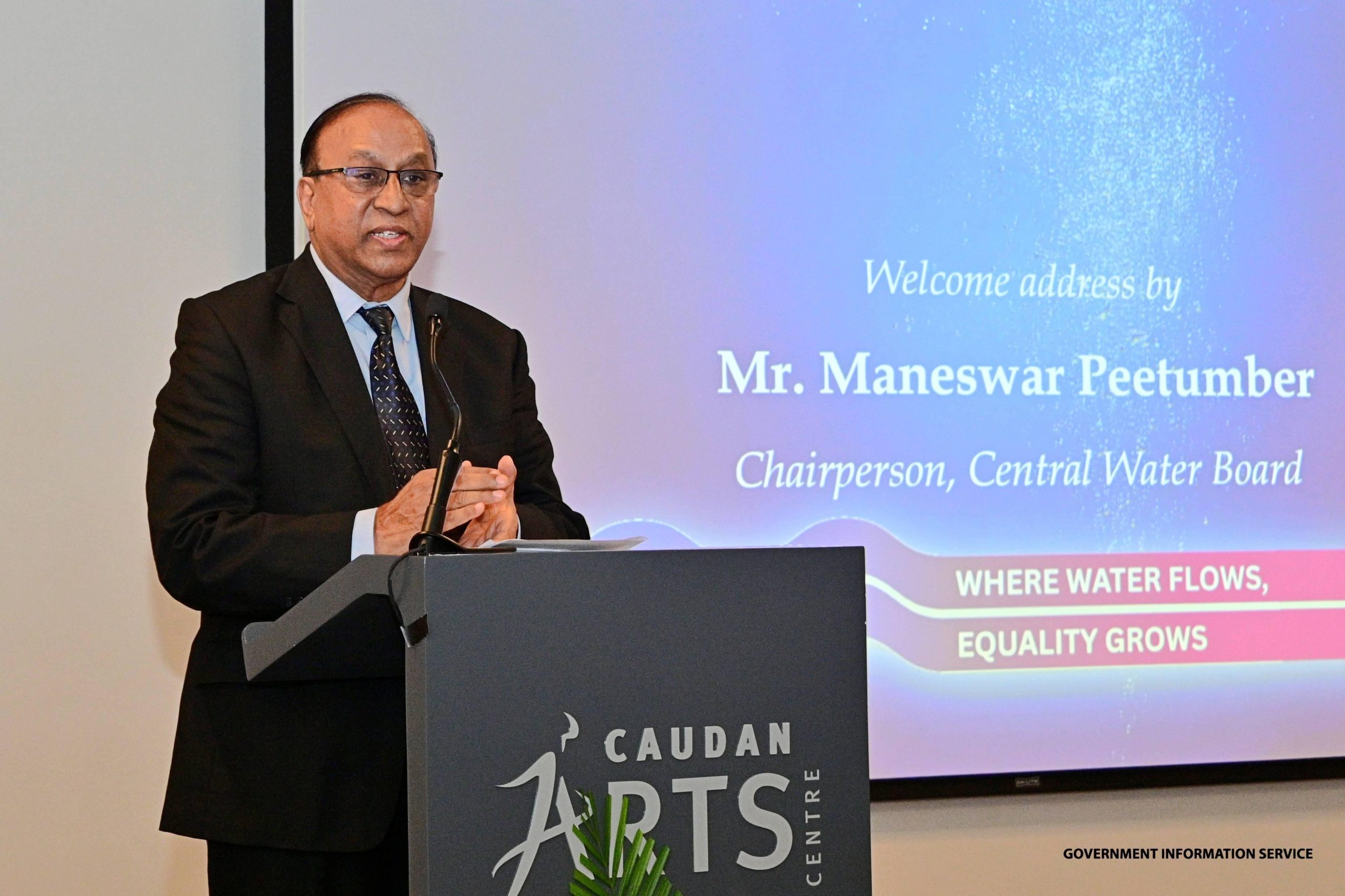
The United Nations Resident Coordinator for Mauritius and Seychelles, Ms Lisa Simrique Singh; the Director of AFD for Mauritius and Seychelles, Mrs Laëtitia Habchi; the Chairperson of the Central Water Board, Mr Maneswar Peetumber; as well as other personalities, were present at the opening ceremony.
In his address, Minister Assirvaden stressed that access to water is not only a basic necessity but also a key driver of social balance, human dignity and equality between men and women. He underlined that equitable and sustainable water management contributes to more effective public policies and strengthens resilience in the face of climate change and environmental challenges. When water is accessible and fairly distributed, opportunities increase and inequalities are reduced across society, he added.
Mr Assirvaden also dwelt on the importance of ensuring women’s participation in decision-making processes and called for greater inclusion of women in scientific and technical fields within the water sector. He outlined Government’s ongoing efforts to strengthen water security through infrastructure development, modernisation of networks and the adoption of innovative approaches, with the objective of ensuring reliable and equitable access to water for all households while advancing gender equality.
As for Ms Singh and Mrs Habchi, they both underscored that water is a vital and indispensable resource essential to life, ecosystems and sustainable development. They similarly highlighted the need for a holistic approach to water management, linking it to broader priorities such as climate resilience, environmental protection and the Sustainable Development Goals. Both also drew attention to the global dimension of water challenges, emphasising that access to safe water remains unequal and requires coordinated international and local action, alongside greater awareness and partnerships to ensure sustainable and inclusive water use.
Mr Peetumber, on the other hand, highlighted that gender disparities in access to water persist globally, noting that women and girls spend significantly more time on water collection than men, often in unsafe conditions, which affects their health, education and economic participation. He also pointed out that although Mauritius provides potable water nationwide, certain areas remain water-stressed despite improvements made through infrastructure projects and collaborative efforts.
Looking ahead, he stressed the need to address challenges such as climate change through innovative approaches, stronger infrastructure, and the use of modern technologies to ensure a sustainable and reliable water supply.
World Water Day, established by the United Nations in 1993, aims to raise awareness about the importance of freshwater and advocate for sustainable management of water resources. Each year, it focuses on a specific theme, and in 2026, the emphasis is on gender equality in water access and management, recognizing the disproportionate burden placed on women in many societies. This year’s theme underscores the need for inclusive policies that address gender disparities and promote women’s participation in water-related decision-making.