What You Need to Know
Mauritius is set to enhance its energy transition with new renewable projects totaling 405 MW. Announced by Minister Patrick Gervais Assirvaden, these initiatives aim to mitigate the energy crisis and promote sustainable practices. Key projects include solar PV systems, battery storage, and wind energy expansions, with a focus on private sector involvement and responsible consumption.
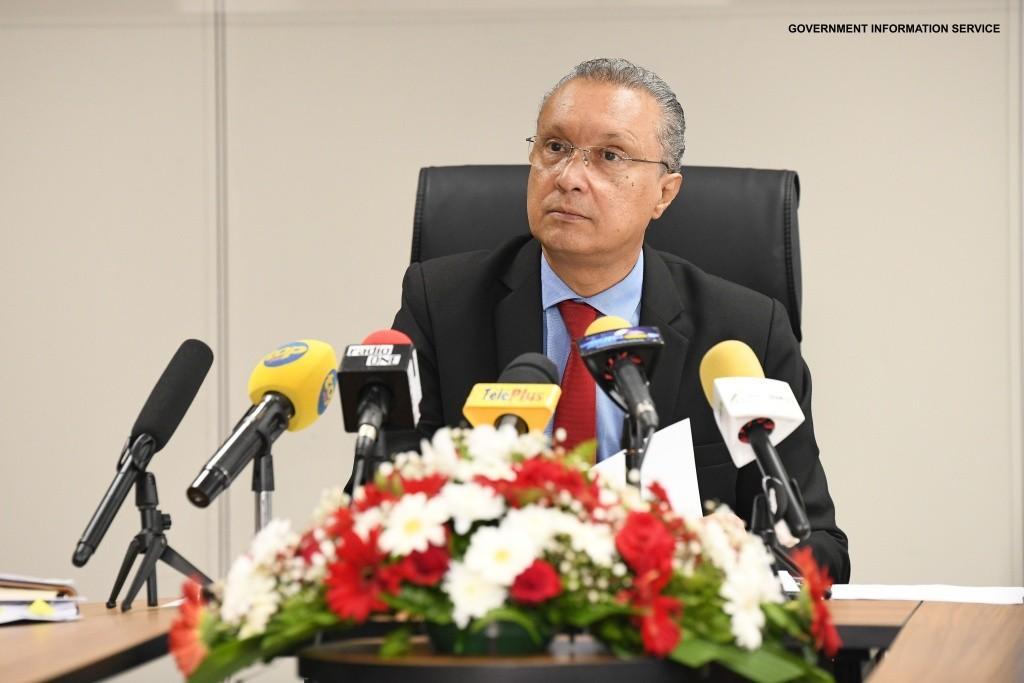
Africa-Press – Mauritius. In an endeavour to support the energy transition of Mauritius to a clean and renewable energy as well as to mitigate potential energy crisis, the Minister of Energy and Public Utilities, Mr Patrick Gervais Assirvaden, announced, today, a series of key projects that are in the pipeline to provide an additional boost of 405 megawatt (MW) in the electrical grid.
He was speaking at a press conference held at the seat of the Ministry in Port Louis. These projects have been identified following consultations with main stakeholders, namely the Central Electricity Board, the Mauritius Renewable Energy Agency and the Energy Efficiency Management Office and will be implemented on a period of three years.
Reaffirming Government’s commitment to easing pressure on households and businesses, Minister Assirvaden highlighted that the initiative forms part of broader efforts to address the ongoing energy crisis, exacerbated by geopolitical tensions in the Middle East. He also underscored plans to further open the sector to private promoters and investors to accelerate renewable energy deployment.
A national sensitisation campaign will soon be launched to promote responsible electricity consumption and raise awareness of the benefits of renewable energy. The Minister added that only projects incorporating battery storage systems will be prioritised, alongside regulatory amendments to curb electricity wastage.
The projects are as follows:
· Development of Renewable energy hybrid facility projects for the storage of solar capacity by Battery Energy Storage System (BESS) providing 100 MW as well as Solar Photovoltaic (PV) system to produce a total of 120 MW;
· Setting up of a Floating Solar PV Farm with a capacity of 17.5 to 20 Megawatts (MW) at the Tamarind Falls Reservoir in partnership with the National Thermal Power Corporation Ltd of India under a Government-to-Government agreement;
· Expansion of the Agrivoltaics Scheme allowing planters and livestock farmers to continue their primary agricultural activities while also producing renewable energy. A total of 39 applications for the scheme were submitted, with 18 projects already approved;
· Introduction of a 20 MW Carbon Neutral Scheme for Commercial Sector to encourage shopping malls and large enterprises to install solar PV on rooftops and covered parking;
· Extension of wind turbines at Plaine des Roches by an additional 15 to 20 MW in order to prevent energy shortages;
· Liberalisation of Home Solar Project targeting a high number of domestic houses to benefit from solar energy not exceeding 10 Kilowatt;
· Acquisition of 100,000 home solar kits to be installed on domestic houses with the help of the Indian Government and;
· Deployment of 20 MW BESS (Battery Energy Storage System) to support the high demands for electricity between 18 00hrs to 21 00hrs, operational as from July this year.
Moreover, three major hybrid renewable energy projects namely Stor’Sun with a total capacity of 30 MW are expected to be implemented by the private sector in September this year.
According to Minister Assirvaden, these projects will enhance grid stability, facilitate the integration of renewable energy, and ensure a more resilient and sustainable energy future for Mauritius.
Mauritius has been increasingly focusing on renewable energy to reduce its reliance on fossil fuels and combat energy crises. The government’s commitment to sustainability has led to various initiatives aimed at integrating renewable sources into the national grid. Recent geopolitical tensions have further highlighted the need for energy independence, prompting accelerated efforts in clean energy projects. The introduction of battery storage systems and partnerships with international entities signifies a strategic approach to enhancing energy resilience and sustainability.