What You Need to Know
In response to the Middle East conflict, PM Ramgoolam announced coordinated measures to ensure energy security and stabilize prices in Mauritius. The government is addressing rising oil prices and inflation through an Inter-Ministerial Crisis Committee, implementing immediate actions to protect the population and strengthen economic resilience.
Africa-Press – Mauritius. Amid escalating global pressures linked to the conflict in the Middle East, Government is implementing coordinated measures to safeguard energy security, stabilise prices, and protect the population, as part of efforts to strengthen economic resilience.
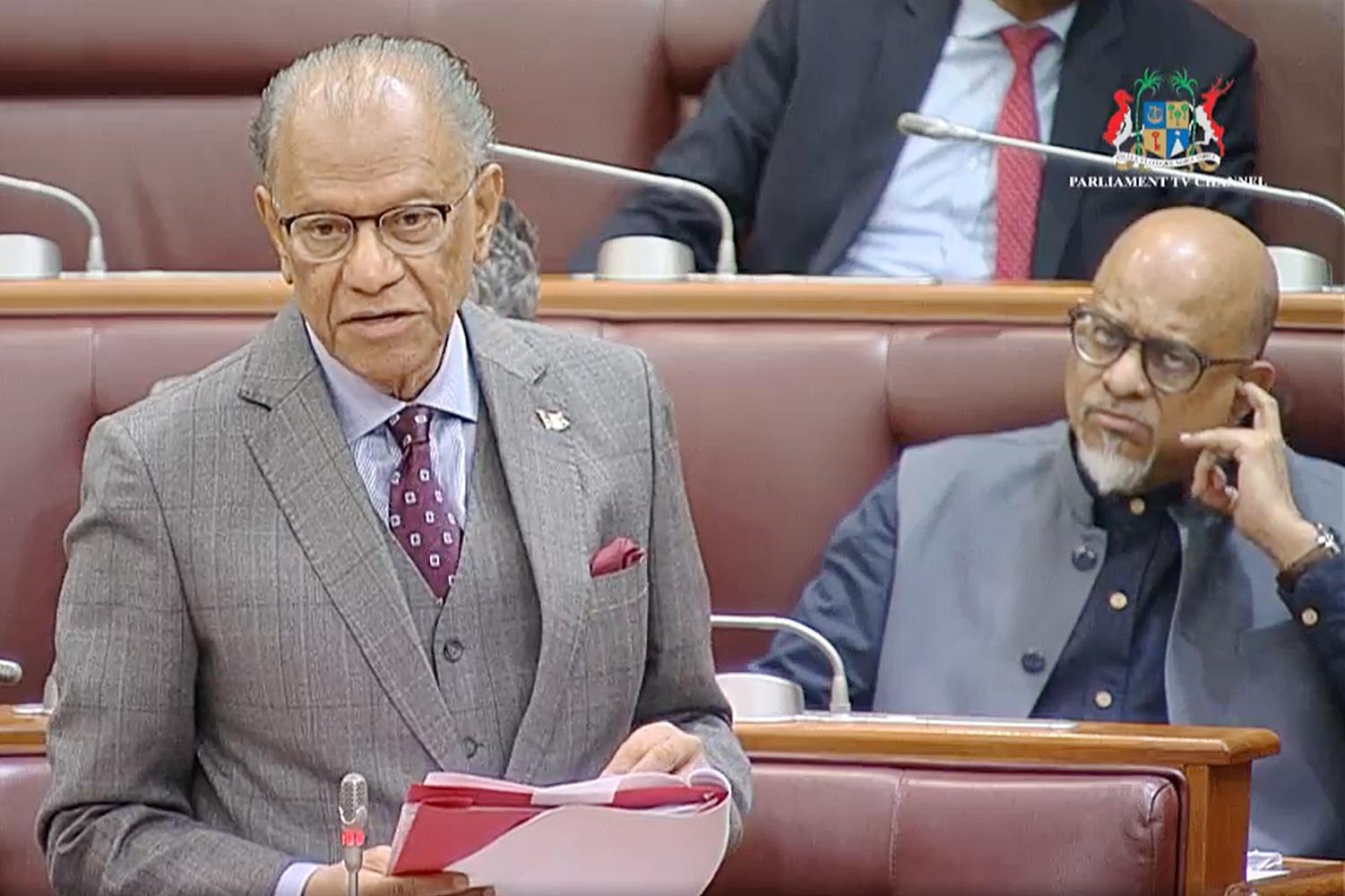
This was the crux of the reply made by the Prime Minister, Dr Navinchandra Ramgoolam, today in the National Assembly, in response to a Private Notice Question by the Leader of the Opposition, Mr Georges Pierre Lesjongard, regarding the economic and social impact of the ongoing conflict in the Middle East and the measures being taken by Government.
The Prime Minister explained that the situation has caused severe disruptions in global energy supply, with sharp increases in the prices of oil, gas, food commodities and fertilisers, alongside rising freight and insurance costs and volatility in financial markets.
He underpinned that Brent crude oil prices have risen from USD 72.48 to USD 111 per barrel, an increase of about 53%, significantly affecting Mauritius’ petroleum import bill, which rose by 82% in March 2026 and is projected to increase by a further 21% in April 2026.
Dr Ramgoolam recalled that, as a small and import-dependent economy, Mauritius continues to face mounting pressures from rising global food and input prices, as well as exchange rate pressures on the rupee, all contributing to inflation, the cost of living, and the balance of payments.
In response to these challenges, an Inter- Ministerial Crisis Committee was established and held its first meeting on 01 April 2026. The Committee reviewed the work of a High-Level Committee chaired by the Financial Secretary and proposed a series of measures. A report has been submitted and will be examined before recommendations are presented to Cabinet.
Several immediate measures are being implemented across ministries to mitigate the impact of the crisis, including:
• Strengthening fuel security through increased reserves and optimisation of energy production;
• Accelerating renewable energy projects expected to generate around 405 MW over the next few years;
• Reinforcing energy-saving campaigns to discourage unnecessary electricity consumption;
• Introducing measures to reduce non-essential electricity usage in line with regulatory controls;
• Securing petroleum supply up to mid-2026 and beyond;
• Establishing dedicated crisis units within ministries to monitor developments and coordinate responses
• Advancing a Government-to-Government agreement with Indian Oil Corporation to reinforce energy supply security
The Prime Minister also indicated that Value Added Tax and excise duties on petroleum products are estimated at around Rs 3.9 billion and Rs 4 billion respectively for the current financial year, with no reduction in these taxes being considered at this stage in line with prudent fiscal management.
PM Ramgoolam reaffirmed that sustained and coordinated action remains essential to maintain long-term stability, strengthen economic resilience, and protect the population.
Mauritius, as a small island nation, relies heavily on imports for its energy and food supplies. The ongoing conflict in the Middle East has led to significant disruptions in global energy markets, causing prices to soar. This situation has prompted the Mauritian government to take proactive steps to mitigate the economic fallout, particularly in terms of rising costs and inflation. The establishment of a crisis committee reflects the urgency of addressing these challenges and ensuring the nation’s economic stability.