What You Need to Know
Prime Minister Dr. Navinchandra Ramgoolam has outlined new measures to enhance transparency and fairness in public service recruitment during a National Assembly session. These initiatives aim to uphold meritocracy and non-discrimination, ensuring that recruitment processes are overseen by independent bodies and supported by digitalisation for better access and monitoring.
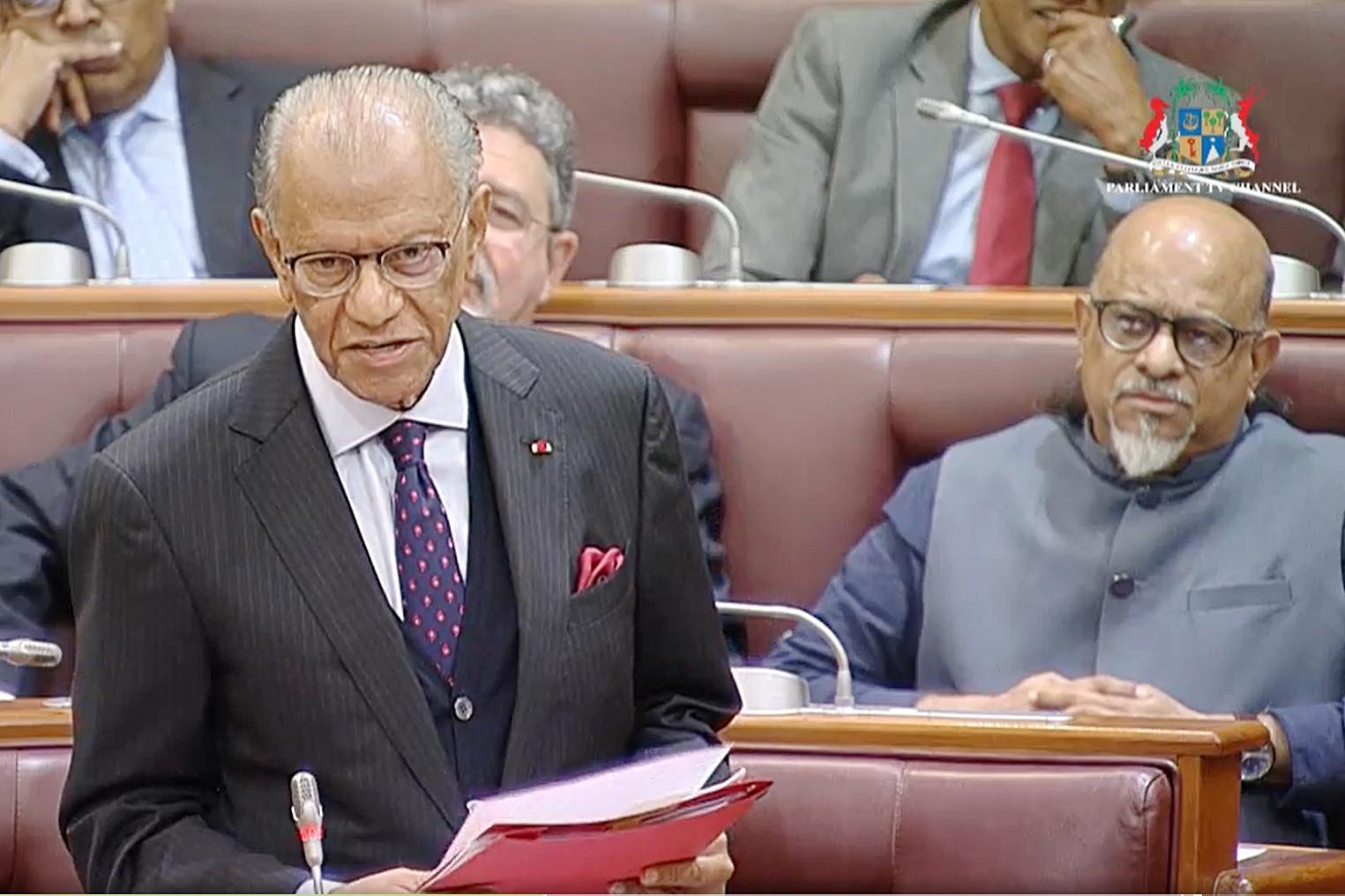
Africa-Press – Mauritius. The Prime Minister, Dr Navinchandra Ramgoolam, informed the National Assembly, today, that Government is pursuing a series of measures to reinforce transparency, accountability and fairness in recruitment across the public service, while upholding the principles of meritocracy and non-discrimination.
Replying to a Parliamentary Question, Dr Ramgoolam underscored that recruitment in the public sector is overseen by independent constitutional bodies, namely the Public Service Commission and the Local Government Service Commission. Their autonomy, he pointed out, is key to preventing political interference and ensuring impartial decision-making in appointments and promotions.
He explained that each position in the public service is governed by a clearly defined scheme of service outlining required qualifications, experience and competencies. Candidates are assessed through structured interviews and, where applicable, written examinations, thereby ensuring that recruitment is based on objective criteria.
The Prime Minister further highlighted the role of digitalisation in improving transparency. The introduction of e-recruitment systems at the Public Service Commission and the Disciplined Forces Service Commission enables vacancies to be advertised online and applications to be submitted electronically, ensuring equal access and better monitoring of applications. He added that a modernised e-recruitment platform is currently being developed to include automatic screening of applications, while a similar system by the Local Government Service Commission is expected to be operational early next year.
In line with the Government Programme 2025–2029, additional reforms will include the introduction of standardised selection criteria, strengthened oversight mechanisms, and the re-engineering of administrative processes to reduce delays in filling vacancies.
With regard to safeguarding meritocracy and preventing discrimination, Prime Minister Ramgoolam reiterated Government’s commitment to reinforcing the legal framework governing equal opportunities. He indicated that the Law Reform Commission has completed a comprehensive review of the Equal Opportunities Act and submitted proposals aimed at strengthening the powers of the Equal Opportunities Commission.
The proposed reforms include an extension of the definition of “status” under the Act, improved coordination among relevant institutions, and enhanced enforcement mechanisms, including sanctions for non-compliance. A draft Equal Opportunities (Amendment) Bill has been prepared, and consultations with stakeholders are currently underway prior to finalisation.
The Prime Minister also recalled the role of the Public Bodies Appeal Tribunal as an oversight institution, providing public officers with a mechanism to appeal against decisions relating to recruitment or disciplinary matters.
Reaffirming Government’s commitment, Dr Ramgoolam emphasised that the reforms reflect a strong political will to ensure that public service recruitment remains transparent, fair, and firmly grounded in merit, while offering equal opportunities to all citizens.
Mauritius has a history of striving for good governance and transparency in its public sector. The establishment of independent constitutional bodies like the Public Service Commission has been crucial in maintaining impartiality in recruitment processes. Recent reforms aim to further strengthen these mechanisms, ensuring that public service recruitment is fair and based on merit, reflecting the government’s commitment to uphold democratic values and equal opportunities for all citizens. The ongoing digitalisation efforts are expected to modernize recruitment practices, making them more accessible and efficient.