What You Need to Know
The International Monetary Fund (IMF) is set to send a team to Mozambique in June to discuss a new loan program as the country faces significant economic challenges, including rising debt and a contracting economy. The IMF emphasizes the need for swift fiscal consolidation and structural reforms to stabilize the financial situation and support vulnerable populations.
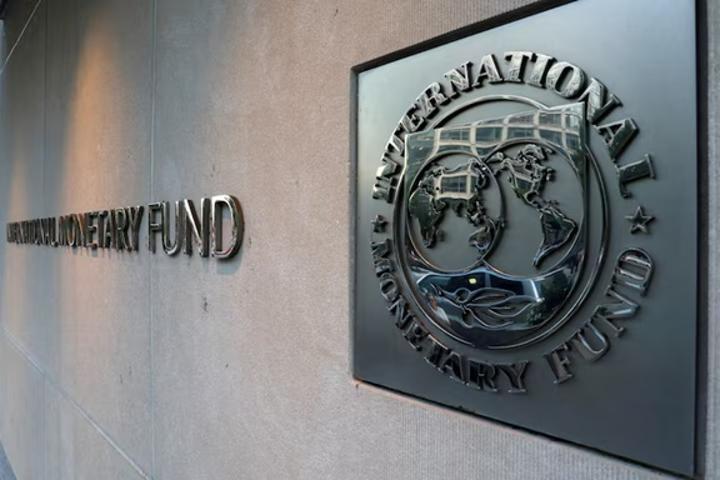
Africa-Press – Mozambique. The International Monetary Fund will send a team to Mozambique in June to advance talks on a new loan programme, a spokesperson said, as the country struggles with rising debt, a shrinking economy and limited resources to fund essential public services.
An IMF spokesperson told Reuters the two sides had productive discussions during the Spring Meetings on the impact of the Middle East war and how best the Fund can support the authorities going forward, the spokesperson said.
“Discussions will continue in the months ahead,” the spokesperson said.
Mozambique is in a period of severe financial stress, with its sovereign bond spread over U.S. Treasuries — a widely watched measure of risk for investors — at a distressed 1,185 basis points, according to JPMorgan data.
The southern African nation’s economy contracted by an estimated 0.5% in 2025, according to central bank and IMF data. The Fund estimated public-debt-to-GDP at 91% in February.
In October, Mozambique said it had authorised the hiring of consulting firm Alvarez & Marsal to advise on its debt.
Mozambique’s debt problems date back to a 2016 hidden-debt scandal, which wrecked investor confidence and curbed access to funding. Delays to major gas projects that had been expected to boost exports, revenue and government finances have made matters worse.
Meanwhile, central bank loans to the government jumped 176.1% to 49.6 billion meticais, official data showed.
Mozambique’s previous IMF support program ended early in April 2025, with ongoing talks for a new agreement hinging on substantial economic reforms.
“Swift fiscal consolidation, while protecting the vulnerable, and greater exchange rate flexibility, are needed to reduce financial pressures and bring stability,” the IMF spokesperson said. “Structural reforms to improve governance and foster private sector-led growth are also needed urgently.”
Mozambique has been grappling with severe financial difficulties since a hidden-debt scandal in 2016 undermined investor confidence and access to funding. The country’s economic situation has been exacerbated by delays in major gas projects that were anticipated to enhance exports and government revenue. As of early 2025, Mozambique’s public debt was estimated at 91% of GDP, highlighting the urgent need for economic reforms and support from international financial institutions like the IMF to restore stability.