What You Need to Know
In 2025, Mozambique’s health authorities successfully vaccinated approximately 2.9 million girls aged 12 to 18 against cervical cancer. Health Minister Ussene Isse highlighted the achievements during the launch of African Immunization Week, while acknowledging ongoing challenges in reaching remote areas. The government aims to expand its vaccination programs to include Hepatitis B and malaria, and
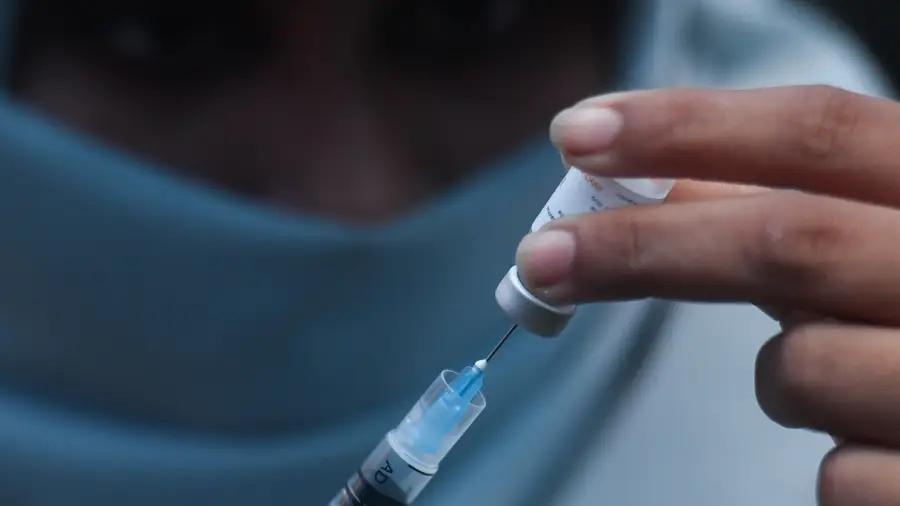
Africa-Press – Mozambique. The Mozambican health authorities vaccinated, in 2025, at least 2.9 million girls aged 12 to 18 against cervical cancer.
According to the Health Minister, Ussene Isse, speaking on Monday, in the southern municipality of Matola, at the launch of African Immunization Week, although a large number of people were covered, there are still challenges in reaching remote areas.
The minister said that, over the last year, 3.5 million people were vaccinated against cholera. He also announced the introduction of Hepatitis B vaccine in the country’s health system.
“Mozambique currently has vaccines against 14 diseases, which has significantly contributed to the reduction of infant mortality. We intend to expand the malaria vaccine and introduce the Hepatitis B vaccine. We will also reinforce vaccination against polio, cholera, and Mpox. We will also guarantee the distribution of equipment, such as coolers with solar panels, to ensure the preservation of vaccines even in the most remote areas”, he said.
Isse also calls on young people to avoid early pregnancies as “the country annually records about 700,000 unwanted pregnancies, mainly among teenagers.”
Mozambique has made significant strides in public health, particularly in vaccination efforts. The introduction of vaccines against various diseases has played a crucial role in reducing infant mortality rates. However, challenges remain, especially in reaching remote populations, which can hinder the effectiveness of health initiatives. The government continues to work on improving access to vaccines and addressing health issues such as unwanted pregnancies among teenagers, which remains a pressing concern in the country.