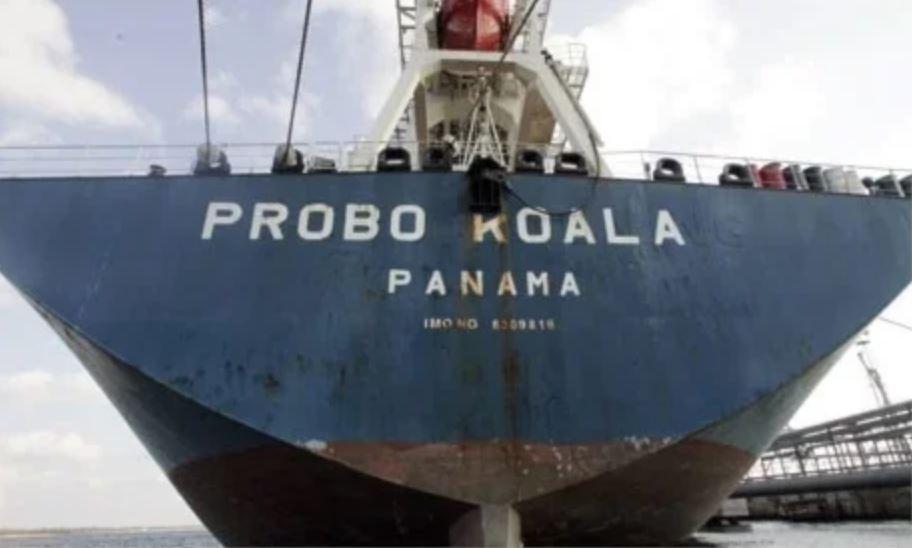
Africa-Press – Mozambique. Ivory Coast commemorates the twentieth anniversary of the “Probo Koala” disaster, when a ship chartered by a local company dumped over 500 tons of toxic waste in Abidjan, before distributing it across several sites in the city. The incident officially resulted in the deaths of 17 people and caused tens of thousands to suffer from poisoning symptoms.
The effects of the disaster remain in the memories of residents in the affected areas, including the families in Akouedo in Abidjan, where residents still speak after two decades about human losses and health and social consequences that have not yet concluded. The United Nations Environment Programme documented that “Probo Koala” discharged approximately 528 cubic meters of liquid waste at the port of Abidjan on August 19, 2006, before it was transported by trucks and dumped at various locations around the city.
In 2007, the government of Ivory Coast reached an agreement with the company, under which it paid 95 billion West African francs (152 million euros at the time) to contribute to compensating for the damages and cleaning the sites, in exchange for settling claims related to the case under the terms of the agreement. Victim representative organizations continue to criticize this settlement, arguing that it did not provide full justice for all those affected.
In September 2023, the African Court on Human and Peoples’ Rights addressed the case, noting that a significant number of victims were not included in the compensation program, and it recorded shortcomings related to transparency, access to information, and damage redress procedures. In July, UN experts returned to the file, confirming that victims of the “Probo Koala” disaster are still waiting for justice and effective compensation for the damages they suffered, even after 20 years.
The anniversary extends beyond the Ivory Coast case to a broader issue concerning the flow of waste from wealthy countries to developing nations. Environmental organizations use the term “waste colonialism” to describe the transfer of environmental and health burdens to communities with less capacity to manage waste and monitor its safe disposal. Electronic waste, textiles, and plastics have become prominent types of waste reaching African countries, with Ghana, Nigeria, and Kenya highlighted as major recipients, particularly of used clothing.
Electronic waste is particularly sensitive due to its potential content of lead, mercury, and other hazardous materials, making some of it subject to regulation under the Basel Convention governing the transboundary movement of hazardous waste. Starting in early 2025, the Convention’s rules will expand to cover all transboundary movements of electrical and electronic waste under a prior informed consent mechanism.
The commemoration of “Probo Koala” comes ahead of new European restrictions set to take effect. According to the European Commission, the European Union will prohibit the export of all plastic waste to non-OECD countries starting November 21, 2026, with a complete ban continuing until at least May 21, 2029. After that deadline, non-OECD countries wishing to receive non-hazardous types of plastic waste can apply to the Commission and demonstrate their capacity for environmentally sound management.
Additionally, plastic exports will be subject to stricter prior consent procedures starting May 2026. The new rules reflect a European attempt to limit the transfer of waste to countries lacking adequate processing infrastructure, but they do not resolve the broader issues associated with electronic waste, textiles, and the illegal trade in waste.