Africa-Press – Mozambique. The Mozambican President, Daniel Chapo, yesterday called for reforms to the country’s energy sales model, adapting the best international practices and considering the real value of energy resources in “hard currency” to ensure the protection of national interests.
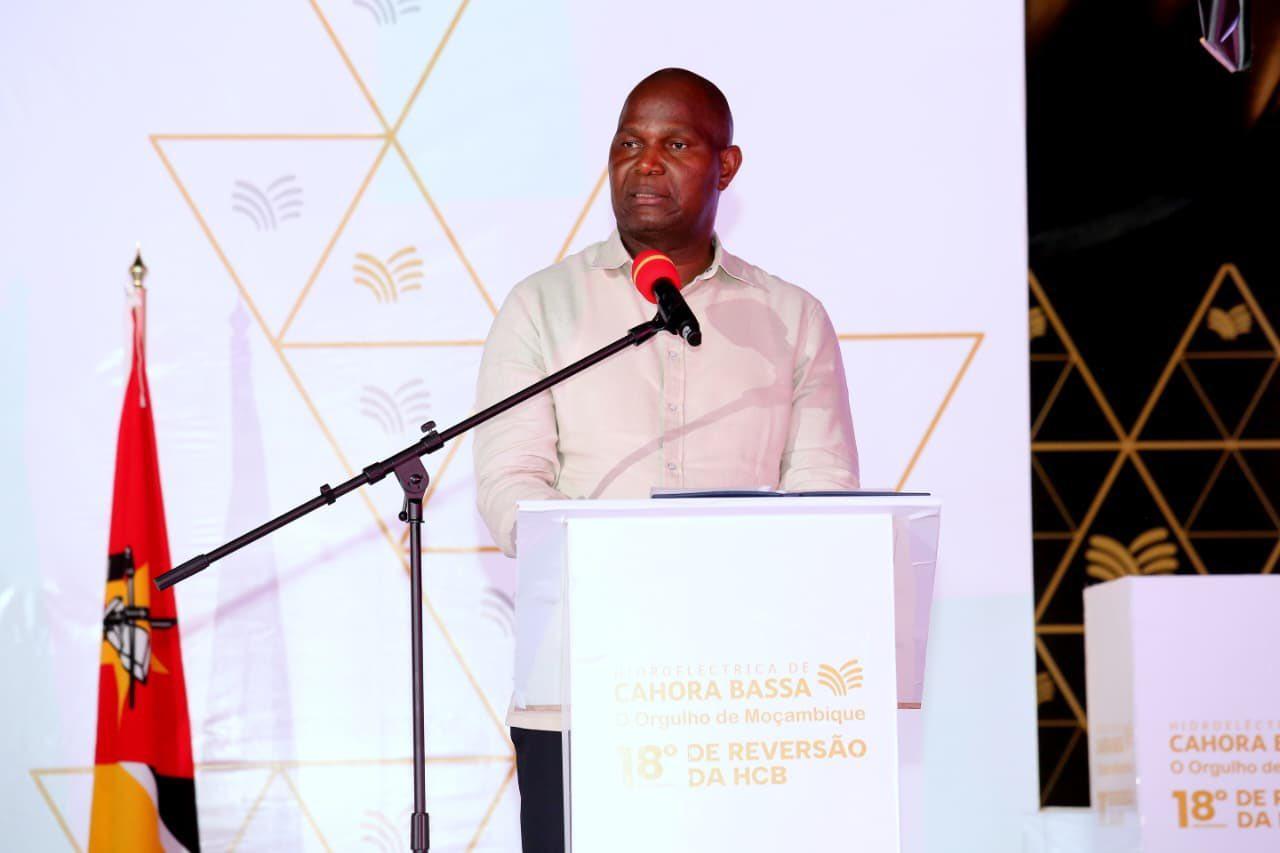
“Reform the energy marketing model […]. Adjust it to the best international practices, make it an instrument to protect the national interest and the Mozambican people,” said Chapo, in Tete province, in the centre of the country, during celebrations of the 18th anniversary of the reversal of the Cahora Bassa Hydroelectric Plant (HCB) in favour of the Mozambican State.
According to Chapo, the Mozambican energy sales model should not consider only nominal tariffs but also their real value in “hard currency”, to mitigate the impact of exchange rate depreciation and bring Mozambique closer to commercial practices aligned with “mature markets” internationally.
“Mozambique must earn more, the Mozambican people must earn more, and Cahora Bassa must lead this change with our support, of course, as the Government,” said the Head of State, who announced a list of five challenges for the managers of HCB, an asset “that cost the sweat of Mozambicans”.
Among those challenges, he asked the hydroelectric plant’s managers to develop the energy cascades of the Zambezi River — which includes, among others, the Cahora Bassa and Mphanda Nkuwa dams — to ensure greater efficiency in water storage and increased energy production.
“Properly integrate the Cahora Bassa Hydroelectric Plant into the legal and institutional framework of the energy sector in Mozambique. The Cahora Bassa Hydroelectric Plant is the heart of Mozambican energy, as we said here, it is our most powerful asset in the energy sector, without any doubt,” Chapo stated.
Additionally, the Mozambican President called for the launch of a social development and rural integration programme, which should be more than a model of assistance and donations, but a transformative initiative and wealth producer.
HCB is 85% owned by the state-owned Zambezi Electric Company and 7.5% by the Portuguese company Redes Energéticas Nacionais (REN). The company holds 3.5% of its own shares, while the remaining 4% are held by Mozambican citizens, companies, and institutions.
Hidroeléctrica de Cahora Bassa, which supplies more than 80% of the electricity consumed in Mozambique and provides power to neighbouring countries, was reverted in favour of the Mozambican State in 2007, marking the beginning of greater national control over energy resources.
The Cahora Bassa reservoir is the fourth largest in Africa, with a maximum length of 270 kilometres and 30 kilometres between its banks (covering 2,700 square kilometres), and an average depth of 26 metres. It employs nearly 800 workers and is one of the largest electricity producers in the southern African region.
The dam is installed in a narrow gorge of the Zambezi River and its construction took place from 1969 to 1 June 1974, during the Portuguese colonial period, followed by the filling of the reservoir. Commercial operation began in 1977, with the transmission of the first 960 megawatts (MW), produced by three generators, and the current installed capacity is 2,075 MW.
For More News And Analysis About Mozambique Follow Africa-Press