Africa-Press – Mozambique. Bill aims to modernise the health sector and harmonise national policies.
Introduces integrated model uniting public, private and community health services.
Emphasises traditional medicine and social protection mechanisms.
Proposes health insurance scheme and addresses rising issues like alcohol use and organ transplants.
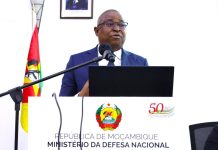
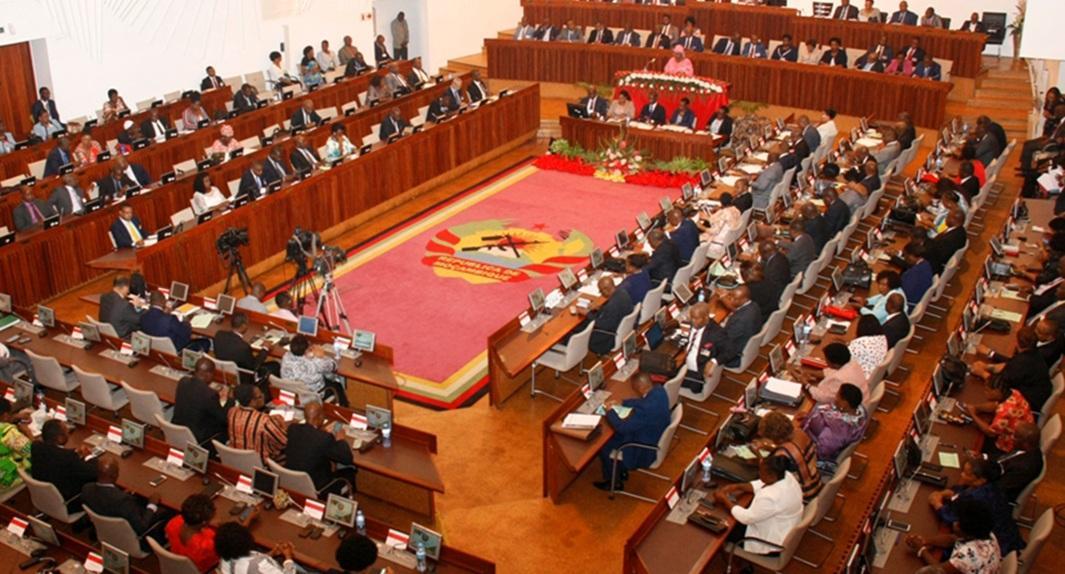
On Monday, the Government presented to the Assembly of the Republic the first bill establishing the legal framework for the National Health System. The initiative, introduced by the Minister of Health, Ussene Hilário Isse, aims to modernise the sector, harmonise national health policies 77 and 91, and respond to the current needs of Mozambique’s health context.
According to the Minister of Health, the proposal seeks to protect the health of Mozambicans by ensuring minimal costs and more efficient resource management. “Our goal is to protect the health of Mozambicans, keeping costs as low as possible and guaranteeing a stronger, more organised system,” he said.
The bill introduces an integrated model that will unite interventions from the public, private and community sectors, strengthening the role of the Ministry of Health as the regulatory and supervisory body.
“With this law, we will unify the national health policy. The Ministry will take on a clearer supervisory role, while the National Health Service will be the main executor of defined policies,” explained the Minister.
Ussene isse added that the Government intends to strengthen coordination between public and private providers, allowing the transfer of patients between health units — a mechanism that, according to the minister, will reduce costs and prevent many patients from being sent abroad.
“The country spends a lot of resources transferring patients. This law will make the system more robust and allow more Mozambicans to be treated within the country,” he emphasised.
The bill also includes new social protection mechanisms in health, clearly defining the minimum services to be guaranteed during strikes or crises.
Acknowledging that about 65% of the population lives in rural areas, the Minister highlighted the reinforcement of traditional and alternative medicine as a complementary component of the National Health System.
“Traditional medicine will be more solidly integrated, as it continues to be a fundamental response in many rural areas,” he stated.
The law will also reorganise the role of non-governmental organisations to avoid duplication and ensure greater community impact. “Today, many NGOs work in the same areas and provinces. The new law will enable more efficient coordination and better use of resources,” he stressed.
During the presentation, Ussene Hilário Isse warned of worsening public health problems related to alcohol consumption and obesity. Official data indicate that in 2007 just over 30% of Mozambicans abstained from alcohol, but by 2024 only 11% remain abstinent. “Alcohol consumption is increasing, and obesity now poses a serious public health risk. We need a law that addresses these emerging issues,” he said.
The Minister also described organ donation and transplantation as a “public health problem,” advocating for the country to advance internal solutions, especially in the area of kidney transplantation. “Kidney transplants could be an important solution for many Mozambicans. The law intends to change the current situation, and deputies should pay the utmost attention to this matter,” he urged.
Another new feature is the establishment of health insurance, which will create the legal basis for new financing mechanisms and help ease pressure on the public system. The government’s proposal comprises 63 articles across nine chapters and, according to the Minister, is “fully harmonised” to ensure coherence with international instruments and the national reality.
The document now goes to parliamentary benches for review and debate.