What You Need to Know
Mozambique’s Central Office for Drug Prevention and Control, with support from UNODC and the U.S., is revising the national drug law. A workshop in December 2025 will assess the current framework, identify gaps, and propose solutions to align with international standards, addressing drug trafficking and public health concerns.
Africa-Press – Mozambique. Mozambique’s Central Office for Drug Prevention and Control (GCPCD), supported by the United Nations Office on Drugs and Crime (UNODC) thanks to the generous contribution of the United States of America through the Bureau of International Narcotics and Law Enforcement Affairs, is coordinating the work aiming to review and update the country’s national drug control framework. This initiative aims to provide Mozambique with a modern, evidence-based legal framework that reflects international standards and effectively addresses emerging drug-related challenges.
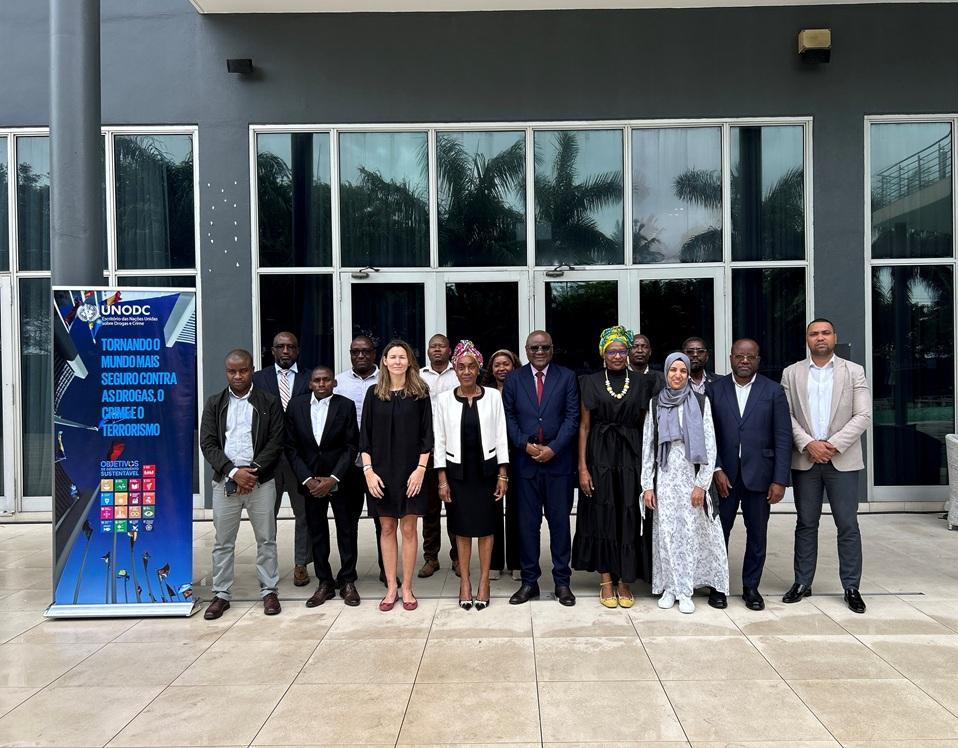
A workshop dedicated to the legislative review is being held in Maputo on 11–12 December 2025, to critically assess the current regulatory framework, identify gaps, and propose solutions that align Mozambique’s legislation with the international legal framework, regional and global best practices, while remaining sensitive to the country’s social and cultural context.
This effort comes at a crucial time, as drug trafficking, production, and consumption continue to evolve across the region and Mozambique faces mounting challenges, including the transit of illicit substances, the rise of synthetic drugs, and the urgent need to strengthen prevention, treatment, and rehabilitation services.
In addition, national lists of controlled substances have not been updated since 1997, and there remains a concerning lack of discussion around standardizing the monitoring and responses to new psychoactive substances in Mozambique.
Through this collaboration, UNODC is providing technical expertise, comparative legal analysis, and international best practices to support the Government of Mozambique in enhancing its legislative tools. The review process is expected to:
Align national drug law with relevant international conventions and regional frameworks;
Update regulatory tables in line with international decisions on substance classification;
Strengthen provisions to counter drug trafficking and organized crime and improve mechanisms to protect public health;
Promote a comprehensive and balanced approach that integrates public health and criminal justice responses.
Speaking at the opening of the workshop, Mrs Filomena Chitsondzo, Director of the Central Office for Drug Prevention and Control, emphasized: “The review of this legislation is urgent (…) drug use is a matter of public concern.”
The process is being carried out through participatory consultations involving government experts, legal practitioners, policymakers, and key stakeholders. Beyond strengthening prevention and enforcement, this initiative represents an opportunity to reinforce the rule of law and ensure that Mozambique’s drug legislation serves as a vital instrument for the protection of human dignity.
Funded thanks to the generous contribution of the United States of America through the Bureau of International Narcotics and Law Enforcement Affairs
Mozambique has faced significant challenges related to drug trafficking and substance abuse, particularly as drug trends evolve in the region. The last major update to its national drug legislation occurred in 1997, leaving the country with outdated regulations that do not adequately address current issues such as synthetic drugs and new psychoactive substances. This legislative review is a critical step towards modernizing Mozambique’s approach to drug control and public health, ensuring that it aligns with international best practices and effectively responds to emerging challenges.