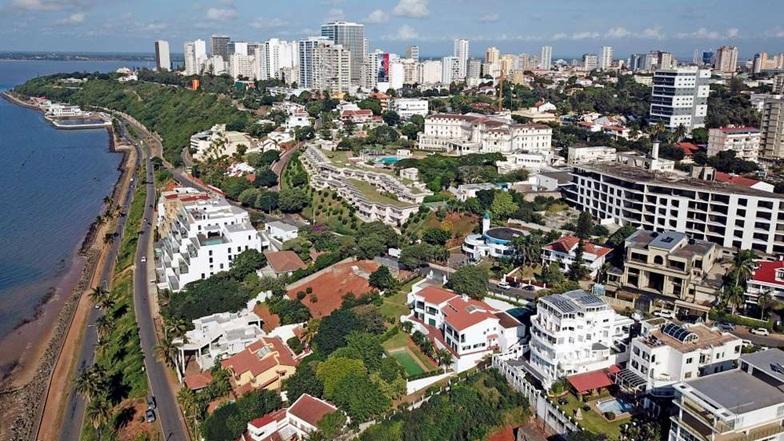
Africa-Press – Mozambique. The Maputo Municipal Council is moving forward with public–private partnerships (PPPs) to concession abandoned spaces such as gardens and parks, in order to secure investment and restore well-being to the population of the Mozambican capital.
Because municipal revenues, and the municipality’s own production, are still not sufficient to cover the administrative operating costs of the Municipal Council itself,” Alexandre Muianga, Councillor for Economic Activities and Tourism, told Lusa in justification.
The measure, he explained, gives effect to the major medium- and long-term projects and initiatives of the Maputo Municipal Council. The municipality currently has around 30 parks and gardens and concessions their management through partnerships with various private entities, which become responsible for their upkeep while occupying part of the land.
These contracts may grant up to ten years of operation, during which the concessionaire must pay a fee to the municipality, as per the respective PPP agreement, and, at the end of the contract, return the space to the council in a properly maintained condition.
The most recent case, with the tender process under way, provides for the concession of another space in central Maputo: the Jardim do Largo da Ilha de Moçambique (Malhangalene).
Muianga stressed that these are investment projects that “require a little more attention” from the authorities, in which entrepreneurs apply for the spaces to manage them through municipal tenders.
He also revealed that one of the “major challenges” for the municipality in these PPPs relates to the clauses governing the exploitation of the concessioned public sites, which stipulate that only 15% of the public space may be occupied by private infrastructure, regardless of the level of investment.
“First, the nature of the investment must be assessed and, secondly, whether the area of occupation will effectively allow the remaining space to continue benefiting the population and the public, the residents in general. That is why, when we evaluate proposals, we must consider that the area of occupation must not exceed 15% of the available space,” said Alexandre Muianga.
Century-old cemetery in central Maputo to make way for Memorial to Mozambican Culture – Watch
The municipality is considering opening space for initiatives that prioritise the maintenance of green areas, noting that it has already rejected some projects due to disparities in the proposals, as was the case in this latest procedure for the Jardim do Largo da Ilha de Moçambique.
“We refined the terms of reference in order to have much greater clarity regarding the available area and the area to be exploited. We prioritise the maintenance of green space, and we favour initiatives that will safeguard access for the population and communities for reading, leisure and rest as well,” the councillor added.
The objective, Muianga insisted, is to ensure proposals that reflect the current reality, marked by strong demand for leisure spaces.
Specifically, that “abandoned” garden still has no vegetation, but the intention is to create a “well-being environment” there for children and adults in the area, Muianga explained, expressing the expectation that the future concessionaire will ensure a space with water and vegetation, turning it into a “fundamental ecological asset” when “properly managed”.
In the surrounding area of the Jardim do Largo da Ilha de Moçambique, in the Malhangalene neighbourhood in the heart of the Mozambican capital, there are “major references” of Mozambican culture, from the arts to music and traditions.
For that reason, we must restore greenery to that site,” the councillor affirmed, stressing the priority of finding an investor who is “environmentally friendly”, who values communities and green space, and acknowledging that the current appearance of the Jardim do Largo da Ilha de Moçambique is “not the best.”