What You Need to Know
The Mozambican government is finalizing mechanisms for importing rice and wheat to bolster national production, following the centralization of these imports under the Mozambique Grain Institute. Minister Basílio Muhate emphasized the need for transparency and collaboration with the private sector, amid concerns over potential job losses and the impact on investments.
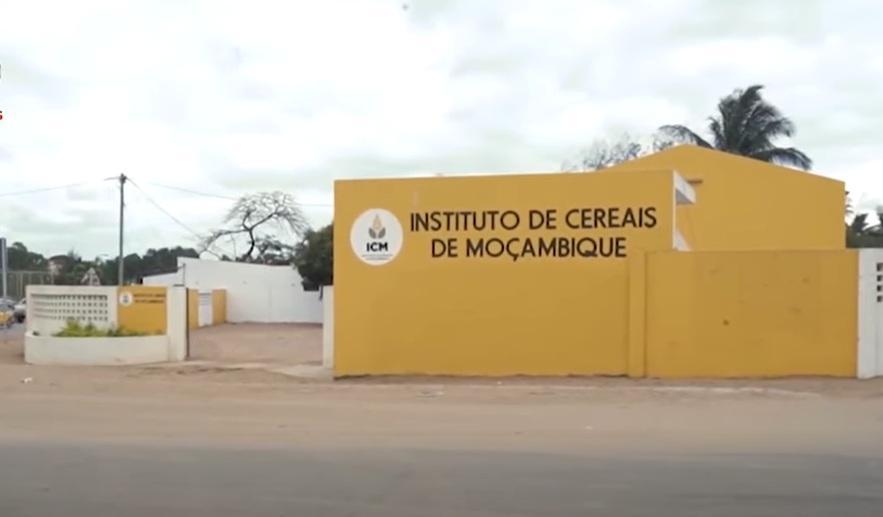
Africa-Press – Mozambique. The Mozambican Government admitted on Friday that it is still preparing the mechanisms for importing rice and wheat to support national production, after placing the Mozambique Grain Institute in charge of this process.
“We are refining the mechanisms not only for imports, but also for all commercial and economic activity in our country to ensure greater success in our trade,” said the Mozambican Minister of Economy, Basílio Muhate, to journalists during a working visit to Nampula Province, in the north of the country.
The Mozambican Government assigned the Mozambique Grain Institute to oversee the import of cereals, specifically rice and wheat, recognising the need to eliminate the “illegal export of foreign currency through over-invoicing” of these products, applied to rice from 1 February and to wheat from 1 May 2026.
“There is work underway at the Ministry of Economy to model this import of rice and wheat. At the right time, when it is ready, we will involve everyone as we have been doing, especially the private sector, to contribute to this modelling,” Basílio Muhate said on Friday.
The minister acknowledged that there is not yet an approved regulation to coordinate the Mozambique Grain Institute’s activity in imports, one month after it assumed these responsibilities.
“I am not aware of any approved import regulation. What we have approved is the restriction of the import of certain products in order to support national production and Mozambican producers,” he admitted.
Minister Muhate stated that the government will continue to work to support national production, “without distorting the market, with the necessary transparency,” adding that reforms are underway aimed at industrialisation, particularly of small and medium-sized industries in the country.
Mozambican business leaders warned in January of the potential loss of 30,000 jobs due to the centralisation of rice and wheat imports under the Mozambique Grain Institute, jeopardising private sector investments of €427.4 million.
In a letter signed by the President of the Confederation of Economic Associations (CTA) and sent to the Minister of Economy, which Lusa had access to at the time, the private sector requested the intervention of the minister, stating that granting the mandate to the Mozambique Grain Institute would cause unemployment.
The Director of the Mozambique Grain Institute, Luíz Fazendo, told Lusa that the rice and wheat import mandate would combat under-invoicing, claiming that this practice costs the state US$100 million (€85.9 million) annually.
The CTA had warned the minister that private operators have already invested more than US$500 million (€429 million) in the sector, arguing that replacing the entrepreneurs with a centralised model “compromises existing investments.”
Mozambique: Monopolization of cereals import could cause negative impact on companies
The CTA also pointed to the “structural insufficiency” of national rice production, currently “unable to meet domestic demand in terms of volume, diversity, and regularity,” stressing that a change to the current model would require 300 hectares suitable for cultivation, including irrigation systems, and 30 processing units with an installed capacity of around 1.5 million tonnes.
According to business leaders, this quantity would be needed to meet the annual consumption of around 700,000 tonnes of rice, while current national production stands at about 80,000 tonnes. A disruption in the import chain would represent a high risk to the regular supply of foodstuffs, with a direct impact on the cost of living.
The Mozambique Grain Institute was recently tasked with overseeing cereal imports, a move aimed at regulating the market and preventing illegal currency exportation. This centralization has raised concerns among business leaders about its impact on employment and investments in the sector, as the country struggles with insufficient rice production to meet domestic demand. The government is working to balance support for local producers with the need for a stable supply of essential foodstuffs, which is critical for the economy.