What You Need to Know
The Confederation of Economic Associations of Mozambique (CTA) has partnered with the CPLP Business Confederation to enhance the tourism sector. This initiative focuses on training, service improvement, and infrastructure development to position Mozambique as a competitive tourist destination, leveraging its natural and cultural assets.
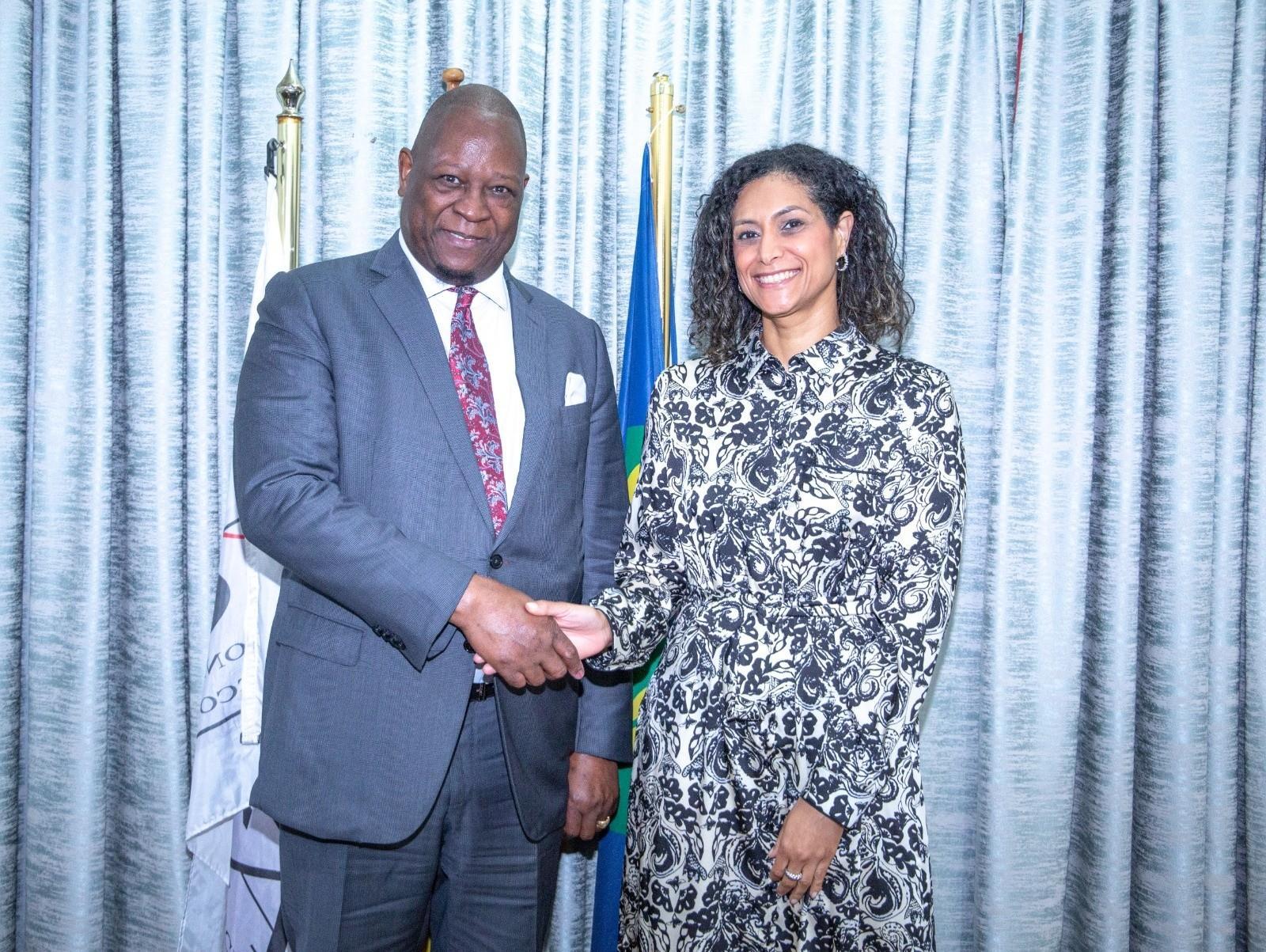
Africa-Press – Mozambique. The Confederation of Economic Associations of Mozambique (CTA) and the Business Confederation of the Community of Portuguese-Speaking Countries (CE – CPLP) have launched, in Maputo, a new phase of strategic cooperation with the aim of boosting the tourism sector in Mozambique, focusing on the training of human resources, improvement of services, and development of infrastructure.
The initiative comes at a time when the country is seeking to position itself as a competitive tourist destination in the region and the Portuguese-speaking world, taking advantage of its vast natural and cultural potential.
Speaking during the launch of the partnership, the CTA representative, Salimo Abdula, emphasised that tourism continues to be one of the sectors with the greatest capacity to generate employment and stimulate the national economy.
“Tourism is one of the pillars for Mozambique’s development. We have abundant natural resources, but we need to invest in training and service quality to ensure competitiveness and attract more visitors,” he said.
According to Abdula, the success of the strategy depends on closer coordination between the public and private sectors, as well as the strengthening of the technical skills of the national workforce, with a special focus on young people.
Investment in professional training is seen as a key element to raise the standards of the sector and ensure positive experiences for visitors. “In tourism, the customer experience is crucial. Good service encourages return visits and promotes the destination, while a poor experience can undermine all promotional efforts,” he underlined.
Meanwhile, the vice-president of the Executive Committee of the CPLP Business Confederation, Berta Montalvão, explained that the mission in Mozambique has a structuring nature, aiming to build strong bridges between companies and institutions from Portuguese-speaking countries.
“The Portuguese language is a unifying element, but it is essential to transform that connection into concrete economic results through the training of companies and the valorisation of professionals in the sector,” she said.
According to Montalvão, the cooperation is organised around three main axes: infrastructure development, improvement of service quality, and reinforcement of human capital. These pillars are considered essential to create an environment conducive to investment and the expansion of tourism.
During their stay in Maputo, the CPLP delegation is expected to hold meetings with various national institutions, with a view to identifying specific needs and defining a joint action plan to address the challenges of the sector.
The mission, which takes place over three days, also includes the promotion of investment opportunities in the hospitality, catering, and tourism services sectors, which have high growth potential in Mozambique.
Considered pioneering, this initiative marks the beginning of a cooperation model that could be replicated in other member countries of the Community of Portuguese-Speaking Countries, reinforcing the organisation’s role in promoting economic development among its States.
Analysts point out that, if well implemented, the partnership could help diversify Mozambique’s economy, reduce dependence on extractive sectors, and increase revenue generation through sustainable tourism.
With this focus, Mozambique seeks not only to attract more visitors but also to ensure that the sector’s growth translates into tangible benefits for local communities and the national economy as a whole.
Mozambique has been working to develop its tourism sector, recognizing its potential to drive economic growth and create jobs. The country boasts rich natural resources and cultural heritage, making it an attractive destination for visitors. The partnership with CPLP aims to strengthen this sector by improving service quality and investing in human capital, which are crucial for sustainable tourism development. This collaboration is seen as a model that could benefit other Portuguese-speaking countries, fostering economic ties and shared growth.