What You Need to Know
The Mozambican Attorney-General’s Office (PGR) has intervened to prevent the Mozal aluminium smelter from entering a care and maintenance phase, which would halt production. The PGR claims this decision violates Mozambican law and company statutes, requiring a unanimous shareholder agreement. The smelter’s crisis stems from unresolved electricity pricing negotiations, leading to significant worker
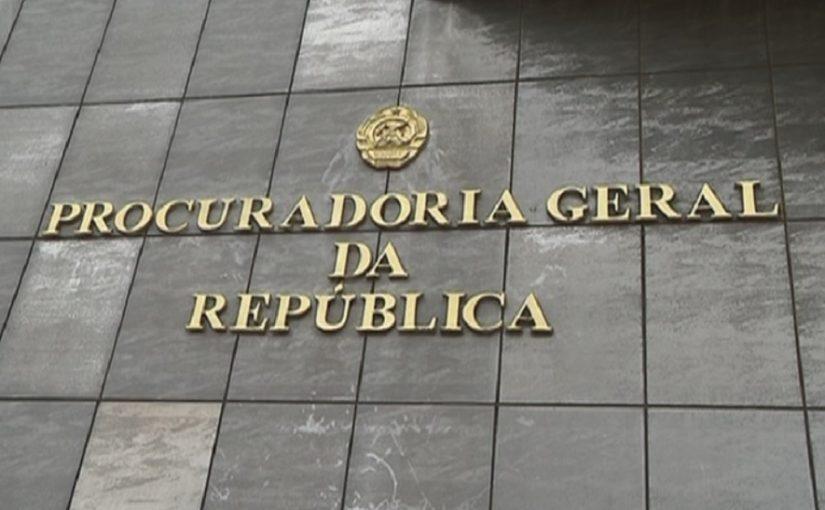
Africa-Press – Mozambique. The Mozambican Attorney-General’s Office (PGR) has ordered the management of the Mozal aluminium smelter, on the outskirts of Maputo, to halt all preparations to put the smelter into a “care and maintenance” regime, which would end all production of aluminium ingots.
“Care and maintenance” is not quite the same as closure – in theory, the smelter could be restarted, but so far no buyer has expressed an interest in taking over from the current majority shareholder, the Australian company, South32.
A letter from the PGR to the chairperson of the Mozal Board, Samuel Samo Gudo, claims that the decision to put the smelter into care and maintenance as from 13 March violates Mozambican company law and Mozal’s own statutes,
The Mozambican State is a minority shareholder in Mozal, and through the government’s Institute for the Management of State Holdings (IGEPE), it had warned, on 6 March, that the management decision was taken “outside of the applicable legal, statutory and contractual framework”.
The suspension of all, or a substantial part, of the smelter’s activities was a decision that could only be taken by a general meeting of Mozal shareholders. The PGR argued that the decision could not be taken unilaterally by South32, even though it is the majority shareholder.
According to the PGR, the Mozambican Commercial Code, passed into law in 2022, states that suspending the company’s activities, requires a unanimous decision by the shareholders at a General Meeting.
Furthermore, Mozal’s own statutes state that the suspension of a significant part of the smelter’s activities requires the agreement of all shareholders who hold at least 25 per cent of the shares.
The Industrial Development Corporation of South Africa (IDC) owns 32.48 per cent of Mozal’s shares, and so ought to have been consulted, but it was not.
The PGR points out that, under the general principles of company law, company directors “are bound to the fiduciary duties of diligence, loyalty and acting in the best interests of the company”.
The decision to put Mozal into care and maintenance violated these principles “with potential legal implications for the company bodies involved”, warned the PGR.
The PGR ordered the Mozal management not to implement the decision to put the smelter into care and maintenance. Mozal must inform the PGR, within five days, of “the measures taken to restore legality or provide the explanations deemed necessary”.
The PGR warns that failure to comply with this deadline “constitutes the crime of disobedience”.
The PGR’s warning comes very late. The smelter has already been effectively mothballed, with most of its workers laid off.
The crisis at Mozal, arising from the failure to negotiate a new price for the 960 megawatts of electricity that the smelter needs, has been public knowledge for many months. But only now has the PGR seen fit to take action.
The Mozal aluminium smelter, located near Maputo, has been a significant player in Mozambique’s economy since its establishment. The facility, majority-owned by South32, has faced operational challenges, particularly regarding electricity pricing, which has led to financial strain and potential production halts. The recent legal intervention by the PGR highlights ongoing tensions between the government and corporate management regarding compliance with Mozambican law and shareholder rights. This situation underscores the complexities of managing foreign investments in the region, especially in critical industries like aluminium production.