What You Need to Know
Mozambican authorities have raised alarms about rising temperatures and their link to increased extreme weather events, particularly cyclones. The National Institute of Meteorology reported that the Mozambique Channel’s sea surface temperatures are rising, contributing to cyclone formation. The report highlights significant temperature and rainfall extremes in 2025, with severe impacts on low-lyng
Africa-Press – Mozambique. Mozambican authorities warned this Monday of the risks posed by rising temperatures over the last three years in the country, calling for measures to mitigate the situation considering the risk of cyclones has increased.
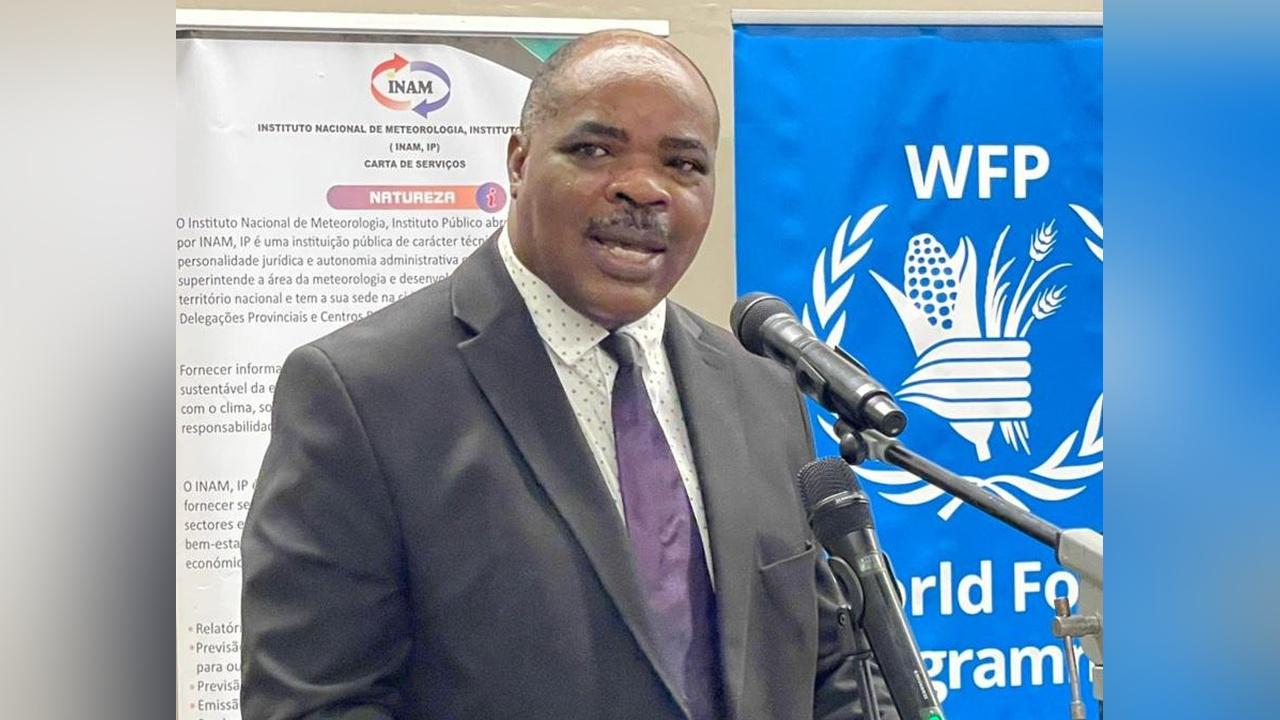
“This sea surface temperature indicator shows us just how high sea temperatures, particularly in the Mozambique Channel, have been in recent years and have continued to rise. This encourages the formation of cyclones and their entry through [the] Mozambique Channel”, Isaías Raiva, a climatologist at Mozambique’s National Institute of Meteorology (INAM), said to journalists on the sidelines of World Meteorological Day celebrations in Maputo.
Raiva, who presented Mozambique’s 2025 State of the Climate report, said that sea surface assessments were included for the first time due to the cyclical nature of Indian Ocean cyclones hitting the country.
The report further warns that rising sea levels are placing most Mozambican cities at risk, particularly those in low-lying coastal areas.
“In the coming years, we will face saline intrusion, where seawater penetrates river courses, devastating crops grown in these areas”, he said.
According to the report, Mozambique recorded “extreme” highs in both temperature and rainfall in 2025, making it one of the three hottest years on record for the country.
“Our findings provide clear evidence that Mozambique’s climate continues to change; we are seeing higher temperatures, warmer nights, an increase in days with extreme heat”, the climatologist told reporters.
He added that, in 2025, temperatures had eased slightly compared to those of 2024, despite it being one of the three hottest years on record.
The document highlights that 2025 also saw extreme rainfall across the nation: “At the end of 2025, we recorded temperature and precipitation levels that were among the most intense in 46 years”.
During this rainy season, which is expected to end in April, some districts in the province of Gaza, southern Mozambique, recorded rainfall in a single week equivalent to the usual amount for the entire rainy season.
“We are talking about rainfall of 400 to 500 millimetres in just one week. These are figures that normally occur over the entire rainy season in most of these districts,” said Isaías Raiva.
The climatologist also warned of the risks of deforestation in the country, given the consequences it brings.
“Our second priority, which we strongly urge society to implement, is adaptation. We must adapt; even with mitigation, the climate will not return to normal overnight. We must be resilient and prepared to live with these changes until stability is restored,” he said.
The total death number from the current rainy season in Mozambique has risen to 296, with more than a million people affected since October, according to a new update released on Sunday by the National Institute for Disaster Risk Management and Reduction (INGD).
Mozambique has faced significant climate challenges in recent years, with rising temperatures and changing weather patterns. The country is particularly vulnerable due to its geographical location along the Indian Ocean, which influences its climate. Historical data indicates a trend of increasing temperatures and extreme weather events, including cyclones and heavy rainfall, impacting agriculture and infrastructure. As a result, the government and various organizations are focusing on adaptation and mitigation strategies to address these climate-related risks.